
 Caleb Turner
To tackle those annoying blemishes left behind by moisture, I often recommend utilizing a simple solution of equal parts vinegar and olive oil. This combination not only nourishes the wood but also helps in diminishing those unappealing spots.
Applying this mixture gently with a soft cloth can yield impressive results. It’s important to rub in the direction of the grain to avoid any additional scratches. After treating the area, a clean, dry cloth should be used to buff the surface, enhancing its shine while eradicating evidence of previous damage.
For more stubborn marks, a baking soda paste can work wonders. Mixing a tablespoon of baking soda with a small amount of water creates a gentle abrasive that lifts these pesky indicators without harming the finish. Ensure to rinse thoroughly and dry immediately after application to maintain the surface’s integrity.


Restoring Polished Surfaces
Apply a mixture of equal parts vinegar and olive oil directly onto the stained area. Gently rub with a soft cloth in a circular motion until the marks fade. This method not only lifts the discoloration but also nourishes the wood.
Alternative Solutions
For tough spots, create a paste using baking soda and water. Apply this paste to the blemish, let it sit for a brief period, then wipe clean with a damp cloth, followed by drying with a microfiber towel. This approach can effectively address deeper imperfections.
Finishing Touches
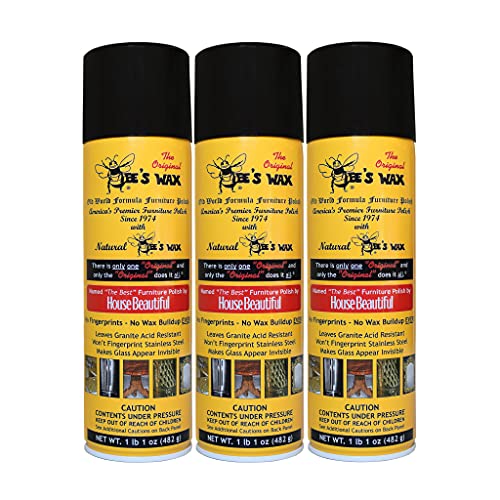
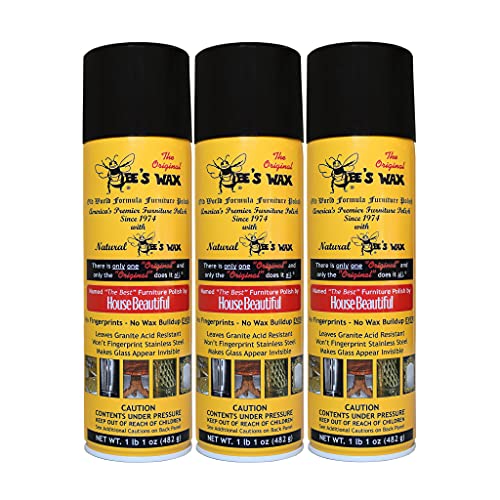
After treating the blemishes, consider applying a high-quality furniture polish. This will enhance the shine and protect the surface from future damage. Regular maintenance, such as dusting with a soft cloth and immediate attention to spills, can prevent reoccurrences.
Understanding the Causes of White Rings
Moisture is the primary culprit behind those unsightly marks on surfaces. When a hot cup or a wet glass makes contact with the finish, condensation forms, leading to cloudiness. This can be exacerbated if the surface is coated with wax or has a weak seal, allowing liquid to penetrate more easily.
Heat can cause similar issues. The heat from hot items can lift the finish, creating discolored spots where moisture has entered. Always use coasters or pads to protect the surface from extreme temperatures.
Cleaning products also play a significant role. Many chemical cleaners strip away protective layers over time, making furniture prone to moisture damage. It’s crucial to choose suitable products specifically designed for the finish of your item.
Furthermore, direct sunlight can degrade finishes, causing fading and discoloration. Excessive exposure can make surfaces more vulnerable to moisture infiltration, leading to these marks.
- Moisture: Condensation from hot or cold beverages.
- Heat: Warping finish from hot items.
- Cleansers: Ineffective use of chemical cleaning agents.
- Sunlight: UV damage leading to a compromised protective layer.
Evaluating these factors can help in preventing the formation of these blemishes and in maintaining the integrity of surfaces in your home. Be proactive with protection techniques to guard against these common hazards.
Assessing the Damage on Your Furniture
First, examine the affected area closely under different lighting. Natural sunlight can reveal details that artificial light may mask. If the blemish appears cloudy but doesn’t feel raised, it likely involves moisture trapped beneath the finish. Test the surface with your fingers; any roughness indicates deeper damage.
Next, consider the texture. Gently run a soft cloth over the spot. If it feels uneven, there’s a possibility that the finish has been damaged. A quick rub with your fingertip might help determine if the surface remains intact or if it has softened significantly.
Evaluate the surrounding areas for similar signs of distress. Uniformity in wear indicates a broader problem, while isolated marks may suggest accidental exposure to moisture or heat. Check for other potential causes nearby, like plants or drink coasters.
Take note of the furniture material. Different woods and finishes respond differently to treatment. Knowing whether your piece is treated with lacquer, polyurethane, or shellac is critical for selecting the appropriate approach to restoration.
Finally, document the state of the item with photographs. This will help track progress during the restoration process and assist in identifying any recurring issues over time. A careful assessment lays the groundwork for effective remediation strategies.
Choosing the Right Cleaning Products
Opt for non-abrasive cleaners specifically formulated for wood surfaces. These products are less likely to damage the finish while effectively tackling stubborn marks. Look for formulations that contain natural oils, as they nourish the wood while providing cleaning action.
Suggested Products
- Beeswax-based cleaners: They create a protective layer and enhance the shine.
- Purified mineral spirits: Useful for deeper cleaning without harming the surface.
- Vinegar and water solution: A natural alternative, mix equal parts for light cleaning.
What to Avoid
- Harsh chemicals: Stay away from ammonia or bleach, as they can strip finishes.
- Abrasive pads: These scratch the surface and create further issues.
- Oil-based products with silicones: They may cause long-term issues with the finish.
Check labels for compatibility with your specific type of wooden surface to ensure optimal results. Testing any new product in an inconspicuous area first gives confidence before applying it to the rest of the piece. Reading user reviews can also guide choices toward reliable options.
Using Heat to Remove White Rings
Applying a warm iron can effectively diminish stubborn stains caused by moisture on surfaces of polished items. Begin by placing a clean, dry cotton cloth over the affected area to protect the finish. Ensure the iron is set to a low heat, free from steam, to avoid adding further moisture.
Gently press the iron on top of the cloth for about 10 seconds. Check the result frequently to prevent overheating, which may cause additional damage. Repeat the procedure if necessary, allowing the surface to cool in between applications to assess progress. Finally, once the blemish starts to fade, let the item sit at room temperature. Afterward, consider applying a suitable furniture polish to nourish and restore the shine of the surface.
Applying Oil or Wax for Restoration
To rejuvenate damaged surfaces, I recommend using a high-quality furniture oil or wax designed for fine wood. Choose a product that matches the finish of your table or chair for best results.
Before application, ensure the surface is clean and dry. I typically use a soft, lint-free cloth to apply the oil. I gently rub the product into the wood, following the grain, to create an even layer.
For wax, I select a paste form for better control. I apply a thin coat, allowing it to fill in minor imperfections and provide a protective barrier. Buffing the wax lightly after it dries enhances the sheen and creates a smooth finish.
Reapplication may be necessary depending on usage. I generally apply oil every six months and wax once a year to maintain the richness of the wood and its protective qualities.
In case of more severe imperfections, repeating the oiling or waxing process can significantly improve the surface’s appearance. With patience and the right products, I often find that the integrity of my furniture is restored, allowing its natural character to shine.
Testing Remedies on Hidden Areas
Before applying any solution to noticeable spots, I highly recommend testing it on an inconspicuous portion of the surface. This step ensures that the remedy won’t damage the finish or alter the color.
First, find a corner or a less visible area. Apply a small amount of the product using a soft cloth, and gently rub it in. Wait a few minutes to observe any reactions such as discoloration or dullness.
| Product Type | Testing Method | Observation Time | Acceptance Criteria |
|---|---|---|---|
| Heat Method | Apply a cloth with a warm iron | 3-5 minutes | No damage or discoloration |
| Oil or Wax | Use a cotton swab with a drop of oil | 5-10 minutes | Uniform shine without any stickiness |
| Commercial Cleaner | Spray a small amount on a cloth | 2-3 minutes | No adverse reactions noticed |
If I notice any changes in the finish or feel, I discard that method and consider alternatives. This precaution prevents further damage and ensures the preservation of the piece.
Preventing Future White Rings on Furniture
To protect surfaces, I always use coasters under drinks. These provide a barrier between condensation and the finish, significantly reducing the chances of damage.
Regularly maintaining my pieces with high-quality wax or polish helps create a protective layer. This layer not only enhances shine but also acts as a shield against moisture and heat.
Avoid placing hot items directly onto surfaces, using trivets or heat-resistant pads instead. This simple practice prevents direct contact and potential harm to the finish.
Keeping humidity levels in check within my home aids in preserving the integrity of the wood. I utilize dehumidifiers during damp periods and humidifiers in dry seasons to achieve balance.
Routine cleaning with a soft, dry cloth prevents dust buildup, which can harbor moisture and lead to unsightly marks. I never use wet cloths, as excess water can seep into the finish.
When hosting, I pay extra attention to food and beverages, ensuring that any spills are wiped immediately to avoid prolonged contact with the surface.
Finally, I avoid placing heavy objects without protective pads underneath, as this practice can lead to indentations that attract moisture, culminating in undesirable blemishes over time.
When to Consult a Professional for Help
If the efforts to tackle the blemishes on your beloved surfaces yield no results, seeking expert assistance may be necessary. This is especially true if the underlying material appears compromised or damaged beyond superficial marks. When the finish is dull or peeling, or if you uncover deeper scratches and gouges, a professional can evaluate the condition more accurately.
Consider contacting a specialist if significant restoration is required. Experts possess advanced tools and materials that can revive furniture to its former glory without causing further harm. Additionally, if specific pieces hold sentimental value or are antique, misguided repairs might diminish their worth, and professional intervention can ensure their preservation.
Signs You Should Call a Professional
Watch for persistent staining that does not respond to typical remedies. If multiple attempts to reverse the blemishes using common household products fail, a professional’s insight could save your furniture. Also, if you feel uncertain about applying heat or other intensive methods, it’s prudent to consult someone experienced in furniture care.
Preserving Value and Integrity
When dealing with valuable items, the cost of professional services often pales in comparison to the potential loss of value from DIY attempts that go awry. Prioritize the preservation of both the piece and your investment by involving an expert early in the process, particularly for unique or rare items.
FAQ:
What causes white rings on polished furniture?
White rings on polished furniture are often caused by moisture and heat. For instance, when a hot mug or a wet glass is placed directly on the surface, steam or liquid can penetrate the finish. This results in the appearance of white marks, which are typically trapped moisture underneath the layer of polish or lacquer. Over time, if not addressed, these marks can become more prominent and harder to remove.
What are some effective home remedies to remove white rings from polished furniture?
There are several home remedies that can help eliminate white rings from polished furniture. One effective method is to mix equal parts of toothpaste (not gel) and baking soda to create a paste. Apply this gently on the mark with a soft cloth, rubbing in the direction of the wood grain. Another option is to use a mixture of equal parts vinegar and olive oil. Dab a cloth in the mixture, apply it to the ring, and then buff with a clean cloth. Both methods can help restore the surface while being gentle enough to avoid further damage.
Is it safe to use commercial products for removing white rings from furniture?
Yes, many commercial products are specifically designed to address white rings on furniture and are generally safe when used according to the manufacturer’s instructions. However, it’s important to choose a product that is compatible with your specific type of finish. Always perform a patch test in an inconspicuous area to ensure that it does not harm the furniture’s surface. If you’re unsure, consult the product guidelines or seek advice from a furniture care specialist.
How can I prevent white rings from forming on my polished furniture in the future?
To prevent white rings from appearing on polished furniture, it’s helpful to use coasters or placemats under hot or wet items. Regularly polish and maintain the furniture to keep the finish intact. Additionally, avoid placing items directly on the surface for extended periods, and consider using protective covers when the furniture is not in use. Keeping humidity levels controlled in your home can also help preserve the quality of the furniture and minimize the risk of moisture damage.


