
 Caleb Turner
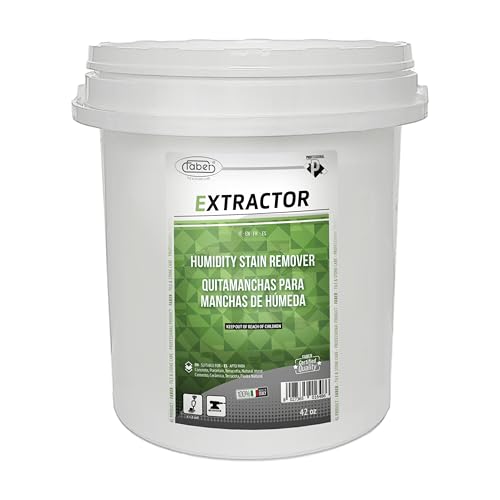
I recommend employing a mixture of baking soda and water for an effective approach. Create a paste with one part water and two parts baking soda, then gently rub it on the stained area with a soft cloth. This method is often successful without causing damage to the finish.
If the paste doesn’t fully resolve the issue, consider using a few drops of olive oil combined with white vinegar. Apply this solution with a soft cloth, moving with the grain of the wood. This not only aids in diminishing the marks but also nourishes the surface.
For stubborn blemishes, using a damp cloth along with a little bit of toothpaste can be beneficial. Lightly rub the toothpaste onto the mark and wipe it off with a clean, dry cloth. Ensure that the paste doesn’t remain too long to prevent any adverse effects.


In case these methods prove insufficient, fine-grade steel wool can act as a last resort. Lightly buff the area with the steel wool, always following the wood’s grain to avoid further damage. A reapplication of polish may be necessary afterward to restore the luster of the surface.
Eliminating Marks on Oak Surfaces
One effective method involves utilizing mayonnaise. Apply a thin layer to the affected area and let it sit for about 15-30 minutes. The oils help penetrate the surface, lifting the stain.
An alternative approach is to combine vinegar and olive oil. Mix equal parts, apply the solution to a soft cloth, and gently rub it on the stained area. This mixture nourishes the wood while addressing discoloration.
Baking soda also serves as a valuable ally. Create a paste by mixing it with water, apply the paste to the mark, and rub gently with a soft cloth. The abrasive nature of baking soda can effectively lift the stain without damaging the finish.
If those techniques don’t yield results, try using a mixture of lemon juice and olive oil. A 1:1 ratio works well. Apply it with a soft cloth, lightly buffing the area to restore the surface.
Remember to always test any method on a hidden spot first, ensuring no damage occurs to the finish. Keeping the area clean and regularly polished will help prevent future blemishes.
Identifying Types of Watermarks on Oak Furniture
First, I examine the appearance of the markings. They typically fall into two categories: white and dark stains. White blotches often indicate moisture penetration, while dark stains suggest more severe damage, possibly involving heat or prolonged exposure to liquids.
Next, I check the texture of the surface. If it feels damp or sticky, it’s likely that the finish is compromised. In contrast, a smooth surface with faded discoloration might indicate that only the top layer of the finish has been affected.
I also consider the duration of the exposure. Brief contact with moisture tends to create lighter, less pronounced marks. In contrast, stains resulting from prolonged contact can create deeper, more difficult-to-treat damage.
Moreover, I confirm whether the traits are localized or spread out. Isolated spots generally indicate minor incidents, whereas widespread discoloration may point to a larger issue with the protective finish.
Finally, I identify the material used in the varnish or finishing product. Certain finishes are more susceptible to stains than others. For instance, oil-based finishes can darken over time, causing water exposure to create different types of discoloration than those found on lacquered surfaces.
Using Household Items to Lift Watermarks
I recommend using a few common household items to effectively address those unsightly marks. Here’s a quick guide on what to use:
- Iron and Cloth: Place a clean, dry cloth over the affected area. With a low heat setting, gently press the iron onto the cloth for a few seconds. Check frequently to avoid damage.
- Baking Soda Paste: Combine equal parts baking soda and water to create a paste. Apply it to the stain and rub gently with a soft cloth. Wipe off with a damp cloth and dry immediately.
- Mayonnaise: Apply a small amount of mayonnaise onto a soft cloth and rub it into the blemish. Let it sit for a few hours before wiping it clean with a damp cloth.
- Toothpaste: Use non-gel toothpaste on a soft cloth and rub it onto the stain in a circular motion. Rinse with a slightly damp cloth and dry the area thoroughly afterwards.
- White Vinegar and Olive Oil: Mix equal parts of olive oil and white vinegar. Apply the solution with a cloth, rubbing in the direction of the grain. Wipe off any excess with a clean cloth.
Each of these methods can effectively help in fading those marks and restoring the appearance of the wood. Always test on a small, inconspicuous area first to ensure suitability.
Applying Heat Treatment for Stubborn Stains
I recommend using a heat source to address persistent blemishes on your wooden surfaces. Take a clean, dry cloth and place it over the affected area. Carefully use an iron set on a low heat setting, ensuring not to apply steam. Move the iron in circular motions across the cloth to gently distribute the heat. Monitor the process closely to prevent any potential damage to the finish of your piece.
Steps to Follow:
- Make sure the surface is clean and dry.
- Lay a thin, white cloth over the mark.
- Set the iron to low heat.
- Press the iron gently over the cloth for a few seconds.
- Lift the cloth to check for improvement.
- Repeat if necessary, but be cautious.
Precautions:
Keep in mind that excessive heat can cause irreversible damage. Test this method on a less visible area first. If the wood finish begins to bubble or discolor, stop immediately. It’s crucial to work with care to preserve the integrity of your wooden piece.
| Tools Needed | Safety Tips |
|---|---|
| Iron, Clean Cloth | Do not leave the iron unattended |
| Low Heat Setting | Test in an inconspicuous area first |
Utilizing Commercial Products for Watermark Removal
For persistent blemishes, commercial solutions can effectively tackle the issue. Products specifically formulated for blemish elimination on wooden surfaces are available at most home improvement stores. Look for options containing oxalic acid or similar compounds, as they are designed to penetrate and lift discolorations effectively.
First, clean the affected area with a soft cloth to remove any dust or debris. Then, apply the chosen product as per the manufacturer’s instructions. Usually, this involves spreading a thin layer over the stained region and allowing it to sit for the recommended time. Afterward, wipe it away gently and assess if further treatment is necessary.
Polishing Compounds
In addition to dedicated stain removers, polishing compounds designed for wood care can also help. These products often provide a dual benefit by restoring the sheen while addressing light discolorations. I suggest selecting a product that matches the finish of your piece for optimal results.
Test Areas
Always conduct a patch test on an inconspicuous area before applying any commercial product extensively. This measure ensures the chemical won’t adversely affect the finish or color of the wood. Wait for the area to dry completely before evaluating the results.
Preventing Future Marks on Oak Surfaces
Applying a high-quality furniture polish regularly can create a protective barrier. Choose a product that contains beeswax or carnauba wax for optimal results.
Using coasters for drinks and placing mats under decorative items will minimize the risk of unwanted impressions. It’s a simple yet effective practice to adopt in daily routines.
Avoid exposing the wood to excessive moisture. Always wipe spills immediately and ensure that humidity levels don’t exceed recommended thresholds; a dehumidifier may help in damp areas.
Positioning your oak piece away from direct sunlight reduces fading and moisture absorption, ensuring its longevity. Consider using window treatments or UV-protective films.
Regular dusting with a microfiber cloth helps prevent dirt buildup, which can trap moisture and lead to staining over time. Keep the cloth slightly damp to enhance dust removal while preventing scratches.
Condition the wood periodically with suitable oils that penetrate the surface, preserving its integrity and enhancing resistance against moisture damage.
Restoring the Finish After Watermark Removal
To rejuvenate the surface after tackling stains, consider following these steps:
Preparation
- Ensure the area is clean and free from dust and debris.
- Gather tools: fine-grit sandpaper, wood conditioner, and your chosen finish (wax, varnish, or polyurethane).
Sanding the Area
- Lightly sand the affected area with fine-grit sandpaper.
- Always sand along the grain to avoid scratches.
- Wipe away dust using a clean, dry cloth.
Applying Wood Conditioner
Utilize a wood conditioner to help the new finish adhere evenly and enhance the wood’s natural color. Follow these steps:
- Apply the conditioner with a clean cloth, using circular motions.
- Allow it to soak in for about 15-30 minutes before proceeding.
Finishing Touches
- Once the conditioner has dried, apply your finish of choice.
- For wax, use a soft cloth to buff it into the wood.
- If using varnish or polyurethane, apply with a brush in thin, even coats, allowing each coat to dry completely before adding another.
Following these steps will help restore the original appearance and protect against future marks, ensuring the longevity of your piece.


