Caleb Turner

The quickest solution involves a simple paste of baking soda and water. Mix equal parts to create a thick consistency, then gently apply it to the affected areas using a soft cloth. Buff in the direction of the grain to avoid further damage. This method works well for light discolorations, restoring the natural beauty of the wood.
If the marks persist, consider utilizing a blend of white vinegar and olive oil. Combine one part vinegar with two parts oil, and apply the mixture with a clean cloth. This not only aids in lifting the discoloration but also nourishes the wood, leaving it with a polished finish.
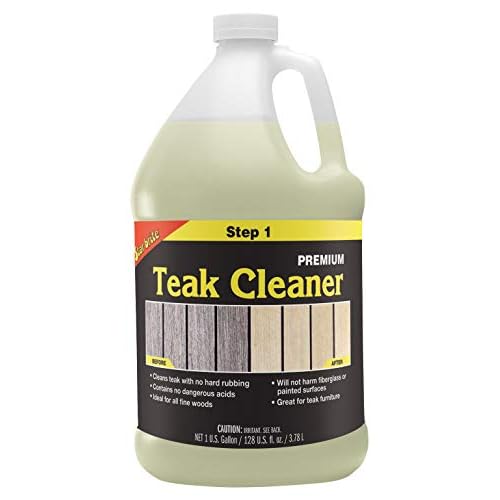
For more stubborn marks, a specialized commercial product designed for cleaning wooden surfaces can be effective. Always perform a spot test in an inconspicuous area first to ensure compatibility with your specific type of wood.
Identifying the Type of Water Stain on Teak
First, evaluate the appearance of the discoloration. Common types include:

- White Rings: These typically indicate moisture trapped under the finish. They often appear after placing cold or hot items directly on the surface.
- Dark Spots: These may arise from prolonged exposure to spilled liquids, penetrating deeper into the wood. The finish might have been compromised, allowing liquid to seep into the grain.
- Blotchy Areas: These irregular patches signify that the wood absorbed moisture unevenly, often occurring after cleaning with excessive liquid or when items were left in wet conditions.
Once identified, consider the cause behind the marks. Is it an immediate result of a specific event or has it developed over time?
For white rings, lightly rubbing the area with a cloth can help gauge if it merely sits on the surface. If it eases, it’s a good sign; however, if it doesn’t, a deeper issue may exist.
Assess the severity of the dark spots. If they are surface-level, treatment can be straightforward. However, if the discoloration seems entrenched, it may require more intensive methods.
Blotchy areas often respond well to proper cleaning techniques. Understanding the type of mark allows for tailored action, ensuring the integrity of the wood remains intact.
Choosing the Right Cleaning Solution for Teak
For effective maintenance, I opt for a gentle, pH-balanced cleaner specifically formulated for hardwoods. This type of solution helps preserve the natural oils of the wood while cleaning effectively.
Homemade Solutions
A mixture of equal parts white vinegar and olive oil serves as a great DIY alternative. This not only cleans the surface but also nourishes the wood’s finish. Alternatively, mixing mild soap with warm water in a bucket can create a simple yet effective cleanser.
Store-Bought Options
If preferring commercial products, look for those that explicitly state they are safe for hardwoods. Read the labels to ensure they contain no harsh chemicals or bleach, as these can damage the finish over time. Brands focusing on eco-friendly options are also good choices, as they tend to be milder and less abrasive.
| Type of Solution | Benefits | Considerations |
|---|---|---|
| Homemade (Vinegar & Olive Oil) | Natural ingredients, nourishes wood | Must wipe well to avoid residue |
| Homemade (Soap & Water) | Simple and effective for regular cleaning | Ensure to dry thoroughly |
| Commercial Cleaner | Tailored for hardwood maintenance | Check for compatibility with finishes |
Selecting the right cleaner is vital for maintaining the aesthetic and lifespan of this beautiful wood. Always test any solution on a small, inconspicuous area to ensure compatibility before proceeding with the entire surface.
Preparing Your Teak Pieces for Cleaning
Begin by ensuring that the surface is dust-free. A soft microfiber cloth works well to wipe away any dirt or debris, preventing scratches during the upcoming cleaning process.
Next, inspect the item closely for any existing damage, as this will help in determining the best approach for restoration. Look for cracks, loose joints, or areas where the finish may be compromised.
Here’s a quick checklist for preparation:
- Clear the area around the piece you want to treat.
- Gather necessary items: microfiber cloths, a vacuum with a brush attachment, and any specific products you plan to use.
- Remove any accessories or decorations to avoid obstructions.
- Test a small, inconspicuous area with your chosen solution to ensure compatibility.
Finally, allow the wood to breathe before applying any cleaning solution. This short waiting period aids in the overall effectiveness of the treatment.
Step-by-step process to eliminate light moisture marks
First, gather materials: a soft cloth, white vinegar, olive oil, and a small bowl. Mix one part vinegar with one part olive oil in the bowl.
Application
Take a clean cloth, dip it into the mixture, and gently rub the affected areas in circular motions. This method should lift the marks without damaging the surface.
Final Touches
After application, wipe the area with a dry cloth to remove any excess solution. Allow the wood to air dry completely. If necessary, repeat the process or use a dedicated wood conditioner afterward.
Dealing with Stubborn or Deep Water Marks
For persistent blemishes, I recommend creating a paste using baking soda mixed with a small amount of water. Apply the paste gently to the affected area using a soft cloth or a sponge, making sure to follow the grain of the wood. Let it sit for about 10-15 minutes before wiping it away with a damp cloth and then drying thoroughly.
Alternative Methods
If the paste method doesn’t yield results, consider using a mixture of vinegar and olive oil. Combine equal parts and apply with a clean cloth, rubbing gently. This blend not only helps lift the marks but also nourishes the surface. Always finish by buffing with a dry cloth to restore shine.
Prevention Tips
To prevent future occurrences, maintain the surface with a suitable teak oil or sealant, ensuring the wood remains hydrated and protected from spills. Regular cleaning and conditioning will significantly decrease the likelihood of dark blemishes forming.
Preventing Future Marks on Teak
Applying a high-quality sealant specifically designed for hardwood surfaces can greatly enhance protection against moisture. Choose a sealant that suits indoor environments, ensuring it is safe for frequent use and easy to apply.
Wipe down surfaces regularly with a soft, dry cloth after use, especially when serving drinks or food. This precaution eliminates any potential moisture accumulation.
Establish a designated area for drinks or plants, using coasters and trays to create a barrier between beverages and surfaces. This simple practice minimizes direct contact with liquids.
Avoid placing uncovered items directly on surfaces; keep them well-organized and off furniture when not in use. Create a habit of placing items back on shelves or in cabinets.
Maintain optimal humidity levels in your home, ideally between 40% and 60%. Investing in a dehumidifier or humidifier will help control moisture levels in the air.
Periodically condition your hardwood with suitable oils designed for enhanced resilience. This treatment not only nourishes the wood but also creates an added layer of protection.
When dusting, utilize non-abrasive dusters or microfiber cloths to avoid scratching. Attachments or cloths designed for electronics are typically gentler on surfaces.
Be cautious when using any cleaning products; always check compatibility with wooden materials to prevent unwanted damage. Stick to pH-balanced solutions.
Lastly, if your piece is exposed to sunlight, consider strategic placement or the use of curtains to minimize direct sunlight, reducing the risk of discoloration and moisture-related damage.
Maintaining Teak Furniture After Stain Elimination
To preserve the beauty and longevity of your prized wood pieces, regular treatment is necessary. I recommend applying a high-quality teak oil every few months to enhance the grain and provide a protective layer. This practice not only enriches color but also guards against moisture absorption.
Cleansing the surface with a gentle soap solution before oil application ensures that all residues are removed. A soft cloth or sponge is ideal for this task. After cleaning, allow the surface to dry completely, as any excess moisture can lead to future challenges.
Periodic sanding with fine-grit sandpaper can help maintain a smooth texture and remove any minor imperfections. Always ensure you follow the grain of the wood to avoid scratches.
Consider placing coasters or mats under items to reduce direct contact with the surface, which minimizes the chance of future blemishes. It’s also wise to avoid exposing these exquisite pieces to direct sunlight for prolonged periods, as ultraviolet rays can cause discoloration.
Lastly, store any unused furnishings in a climate-controlled environment to protect them from extreme temperatures and humidity fluctuations. This proactive approach contributes significantly to the enduring quality of your cherished wood items.