
 Caleb Turner

Combine equal parts of white vinegar and olive oil in a small bowl. With a soft cloth, gently rub this mixture onto the affected area, following the natural grain of the wood.
It’s crucial to avoid excessive moisture; ensure your cloth is only lightly dampened to prevent further damage. As you apply the solution, you may observe the blemish starting to diminish.
After treatment, buff the area with a clean, dry cloth to restore shine and protect the wood. If necessary, repeat the process until the marks are no longer visible.


How to Eliminate Moisture Marks on Teak Surfaces
I suggest combining equal parts of white vinegar and olive oil for an effective blend. Apply the mixture with a soft cloth, gently rubbing in the direction of the grain. This method not only addresses discoloration but also nourishes the wood.
If the marks persist, try using a fine steel wool pad (0000 grade) lightly dampened with the same vinegar and oil solution. Carefully buff the affected area; this should smooth out the blemishes without damaging the finish.
Another approach involves utilizing baking soda. Create a paste by mixing it with a few drops of water. Apply this paste directly on the spots, allowing it to sit for a few minutes before wiping it off with a clean, damp cloth. This can effectively lessen the visibility of imperfections.
For stubborn cases, consider applying a small amount of toothpaste (without gel) to the area with a soft cloth. Rub gently in circular motions and wipe clean afterward. This household remedy often yields satisfactory results.
After any treatment, it’s crucial to protect the surface. A natural or synthetic wood conditioner can enhance the appearance and prevent future issues, ensuring the wood remains in optimal condition.
Identify the Type of Water Stain on Teak
Begin by examining the blemish carefully. Look for two primary forms: white rings or blotchy dark spots. White rings often indicate moisture trapped beneath the surface, while dark spots may signify deeper penetration or damage to the wood fibers.
Recognizing White Marks
These usually appear after placing a wet object directly on the surface. If the white marks are shallow, they may lift with a simple treatment. Test with a little heat or a mild oil.
Spotting Dark Discoloration
Dark spots can suggest water has penetrated further, often leading to mold growth or long-term damage. These require more intensive care. I use a mixture of cleaning agents or a light sanding approach to address these effectively. Each type demands a tailored solution for optimal restoration.
Gather Necessary Cleaning Supplies
For tackling blemishes on wooden surfaces, I recommend having the following items ready:
| Item | Purpose |
|---|---|
| Soft cloths | To gently apply cleaning solutions without scratching the surface. |
| Olive oil or mineral oil | Helps to nourish and restore the natural luster after treatment. |
| Baking soda | Effective for lifting residues and light discolorations. |
| Vinegar | Acts as a natural cleaner, breaking down grime. |
| Water | Used for dilution or rinsing materials. |
| Fine-grit sandpaper | To gently smooth out the affected area if needed. |
| Wood polish | To finish the process, enhancing and protecting the surface. |
Gather these supplies before proceeding, ensuring an organized approach to the task at hand.
Test Cleaning Solution on a Small Area
Before applying any cleaning mixture, I always test it on a discreet section of the surface. This precaution helps ensure the solution won’t cause discoloration or damage. Choose an inconspicuous spot, like the underside of a table leg or inside a drawer, and apply a small amount of the cleaner with a soft cloth.
Gently rub the area and observe how the finish reacts. Allow it to dry for a few minutes. If no adverse effects appear, the mixture is likely safe to use on the larger affected sections. If there’s a change in color or any damage, it’s essential to reconsider the formulation or opt for a milder alternative.
Always exercise caution; the goal is to restore the beauty of the surface without introducing new problems. A simple patch test can save hours of potential frustration.
Apply Baking Soda Paste to Stain
Create a paste using baking soda and water for effective treatment. Mix three parts of baking soda with one part water until you achieve a thick consistency.
Application Steps
- Gently apply the paste to the affected area using a soft cloth or sponge.
- Rub in a circular motion, applying slight pressure to penetrate the surface.
- Let the paste sit for 10-15 minutes to allow it to absorb and work on the blemish.
Rinse and Dry
After the waiting period, dampen a clean cloth with water and wipe away the paste. Make sure to remove all residues. Finally, dry the surface thoroughly with a soft towel to prevent moisture retention.
For stubborn marks, you may repeat the process if necessary. Always monitor the results closely to avoid any adverse effects on the wood’s finish.
Use Vinegar Solution for Light Stains
I recommend mixing equal parts white vinegar and water in a spray bottle. Spray the solution directly onto the affected area, ensuring it dampens the surface without saturating it. Allow it to sit for about 5-10 minutes to let the acidity of the vinegar break down the discoloration.
Afterward, take a soft cloth and gently rub the area in a circular motion. This technique helps lift the blemish while minimizing the risk of damaging the wood. Rinse the area with a damp cloth to remove any residue, then dry thoroughly with a clean towel.
If the marks persist, repeat the process as needed, but avoid excessive scrubbing to protect the finish of your surface. Always ensure adequate ventilation while working with vinegar, as the smell can be strong.
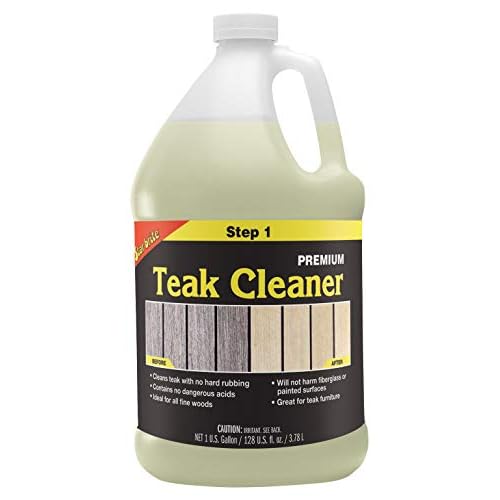
Consider Commercial Teak Cleaners
For stubborn marks on wooden surfaces, I recommend exploring commercial teak cleaners designed specifically for this type of wood. These products often contain specialized ingredients that tackle deep-set blemishes without harming the natural finish.
Things to consider when selecting a cleaner:
- Formulation: Look for cleaners that are non-toxic and biodegradable, ensuring safety for both the environment and your living space.
- Application Method: Some cleaners come ready to use, while others may require dilution. Choose based on your preference and the severity of the marks.
- Reviews: Check online ratings and customer feedback on several products to gauge their effectiveness. Personal experiences can provide valuable insights.
Before applying any product, always read the instructions thoroughly to maximize results and protect the wood’s integrity. A small patch test will help determine how well the cleaner interacts with the surface.
Once you find a suitable cleanser, it may serve as both a treatment and a preventative measure, keeping your wooden items looking pristine for longer periods. Reapply periodically, especially if the surfaces are exposed to moisture frequently.
Polish Teak After Stain Removal
After successfully addressing the discoloration on your wooden piece, enhancing its appearance through polishing is vital. Use a high-quality teak oil or specialized wood polish designed for hardwoods. Apply a small amount to a soft, clean cloth, ensuring even distribution.
Application Technique
Gently rub the polish into the surface in the direction of the grain. This method avoids scratches and helps maintain the natural beauty of the wood. Allow the product to penetrate for about 10-15 minutes before buffing it with a clean, dry cloth to achieve a smooth, shiny finish.
Maintenance Tips
To preserve the luster, repeat the polishing process every few months, depending on environmental factors and usage. Avoid harsh chemicals and excessive water during regular cleaning, as they can damage the finish.
| Polishing Frequency | Environmental Factors | Tip |
|---|---|---|
| Every 3-6 months | Humidity Levels | Use coasters and placemats |
| Annually | Sun Exposure | Rotate items for even wear |
| As Needed | Temperature Changes | Keep away from direct heat sources |
Avoiding Future Water Stains on Teak
Regular maintenance is key. I apply a high-quality teak oil every few months to act as a barrier against moisture. This not only enhances the natural beauty but also protects the surface from potential damage.
Immediate Cleanup
Spills should be wiped up immediately with a soft cloth. I keep a dedicated cloth in my cleaning supplies specifically for this purpose, ensuring no moisture lingers on the surface.
Strategic Placement
Using coasters and placemats under drinks and food is a simple yet effective measure. I ensure that any items placed on the wood have protective layers to limit direct contact with liquids.
Lastly, avoiding placing teak items in areas with high humidity or direct sunlight can significantly reduce potential issues. Proper placement helps maintain the integrity of the wood for years to come.
Regular Maintenance Tips for Teak Furniture
Wipe down surfaces regularly with a soft, damp cloth to prevent dust accumulation and maintain cleanliness. Ensure the cloth is only slightly moist to avoid excess moisture exposure.
Apply a specialized oil designed for hardwood every few months. This adds a protective layer and enhances the natural luster of the wood. Be precise with the application–use a clean, soft cloth and buff in the direction of the grain.
Keep items that may cause marking or scratches off surfaces, such as metal or glass objects. Use coasters and placemats to shield the wood from damage during daily use.
Chemicals from household cleaners can harm the finish. Stick to gentle options or those specifically made for hardwood care to preserve integrity.
Store furniture in a climate-controlled environment. Sudden changes in humidity or temperature can lead to warping or cracking. Consider using a humidifier in drier months to maintain stability.
Inspect for any signs of damage, such as fading or dull spots. Address issues immediately to prevent more severe deterioration.
- Use a soft brush to clean areas that may collect debris, such as joints and carved details.
- Rotate items placed on surfaces to ensure even exposure to light and wear.
- Clean spills immediately but gently, using a dry or slightly damp cloth.
Regular upkeep will prolong the lifespan of your pieces, keeping them looking their best for years.


