
 Caleb Turner

If I encounter a bright yellow mark on my chair or table, my first instinct is to grab a mixture of white vinegar and water. This solution effectively penetrates the discoloration, breaking down the pigments embedded in the material. Using a soft cloth, I gently dab the area, taking care not to saturate the surface.
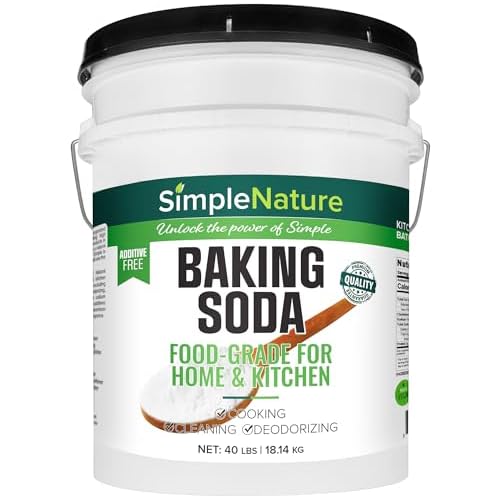
For tougher spots, a paste made of baking soda and water works wonders. I create a thick consistency and apply it directly to the affected area, letting it sit for about 15 minutes. Afterward, I wipe it off with a clean, damp cloth, revealing a spotless finish.
In cases where the discoloration persists, hydrogen peroxide comes into play. I soak a cloth with the solution and apply it to the mark, covering it with plastic wrap to prevent evaporation. This method needs some time – I usually let it work for an hour or two, then simply wipe away the residue.


Lastly, I always test any cleaning solution on a small, inconspicuous area before treating the main surface to make sure it doesn’t cause any damage. Being cautious ensures my beloved pieces stay in pristine condition.
Cleaning Techniques for Furniture Marked by Yellow Pigment
I recommend acting quickly when faced with a yellow pigment mark on your surface. Use a mixture of baking soda and water to form a paste. Apply this paste directly to the affected area, let it sit for about 15-20 minutes, then gently scrub with a soft cloth or sponge in a circular motion. Rinse with a damp cloth afterwards.
Using Vinegar Solution
A vinegar solution can be effective as well. Combine equal parts of white vinegar and water, then dab the mixture onto a cloth and gently blot the stain. Avoid rubbing, as this may spread the pigment further. After blotting, wipe the area with a clean, damp cloth to remove any residual vinegar.
Professional Cleaners
If the mark persists after trying these methods, consider consulting a professional cleaning service that specializes in treating difficult surfaces. They can assess the material and apply tailored treatments to avoid damage while ensuring a thorough cleanse.
Understanding Turmeric Stains and Their Properties
Recognizing the unique qualities of this yellow pigment is essential. It contains curcumin, which contributes to its rich color and makes it difficult to eliminate. The fine particles can easily adhere to surfaces, creating a long-lasting mark that can withstand various cleaning methods.
- Color Intensity: The vivid yellow hue can permeate materials, resulting in deep discoloration.
- Solubility: While curcumin is not soluble in water alone, it readily dissolves in fat and alcohol, impacting the choice of cleaning solution.
- Oxidation Potential: Over time, exposure to air can intensify the discoloration, making the removal process more challenging.
- Resistance: These marks can persist despite conventional cleaners due to their chemical composition, requiring specialized approaches.
When tackling such reminders in home spaces, understanding these aspects aids in strategizing the best methods for effective cleansing. Experimentation with various substances like vinegar or baking soda often proves beneficial due to their reactive properties.
Being aware of the type of surface impacted can also guide the selection of appropriate techniques, ensuring that no further damage occurs during the attempt to restore the original appearance. Utilizing test patches on inconspicuous areas may help assess the effectiveness of chosen remedies.
Immediate Actions to Take After a Turmeric Spill
Act quickly. Blot the affected area with a clean, dry cloth or paper towel, absorbing as much liquid as possible. Avoid rubbing, as it might spread the pigment deeper into the surface.
Next, prepare a cleaning solution. Mix one tablespoon of dish soap with two cups of cold water in a bowl. Dampen a new cloth with this mixture and gently dab the area, starting from the outer edge and moving towards the center. This minimizes spreading.
In case the surface is porous or delicate, consider using cork or soft plastic utensils. Scrape any residue carefully to prevent scratches.
After cleaning, rinse the cloth with plain water and blot the area again to eliminate soap residue. Finally, dry the spot with another clean, dry towel, ensuring no moisture remains to prevent additional damage.
| Action | Description |
|---|---|
| Blot | Use a dry cloth to absorb excess liquid quickly. |
| Prepare Solution | Mix dish soap and water; dampen a cloth. |
| Dab | Apply cleaning solution, starting from outside, using a soft cloth. |
| Scrape | Remove residue carefully with a soft utensil. |
| Rinse | Use plain water on a cloth to eliminate any soap. |
| Dry | Finally, dry the area with a clean towel. |
Household Items for Stain Removal
Baking soda works wonders for absorbing and lifting colors. I mix it with a little water to create a paste, applying it directly to the affected area. After letting it sit for about 15-20 minutes, I gently blot it with a clean cloth. This method has proven effective time and again.
White vinegar acts as a natural disinfectant and can lighten discolorations. I combine it with equal parts water, then spray or dab the solution onto the mark. After a few minutes, I blot the area with a soft cloth, often seeing positive results.
Citrus Magic
Lemon juice, a natural bleach, can help lighten the color intensity. I apply fresh lemon juice directly onto the mishap and let it soak for a few minutes before rinsing with water. The acid in the juice breaks down the pigments, boosting my cleaning efforts.
Dish Soap Reliability
Regular dish soap mixed with warm water is another go-to solution. I use a few drops of soap in warm water, dip a cloth into the mixture, and gently scrub the area. This simple yet effective technique often yields satisfying results.
Step-by-Step Guide for Tackling Wooden Surfaces
If a vibrant yellow mark has formed on your wooden piece due to a recent incident, swift action is critical. Start by gathering the necessary materials: a soft cloth, mild detergent, white vinegar, baking soda, and a gentle wood polish. Each item plays a role in tackling the issue.
Procedure Overview
1. Blot the area with a soft cloth to absorb any excess liquid without rubbing it further into the wood.
2. Mix equal parts of water and mild detergent in a bowl. Dampen a clean cloth with the solution, wring it out, and gently wipe the affected region. Do not soak the wood.
3. For persistent marks, create a paste with baking soda and water. Apply this paste on the stain and let it sit for a few minutes. Wipe it off with a damp cloth.
4. If the mark still lingers, combine vinegar with water in equal proportions. Dampen a cloth and gently rub over the area. Always test this solution on a hidden part first.
Final Touches
After the mark is gone, dry the surface well. To restore shine, apply a wood polish suitable for your furniture type.
| Material | Preparation | Usage |
|---|---|---|
| Mild Detergent | Mix with water | Wipe affected area |
| Baking Soda | Mix with water to create paste | Apply on stain, let sit, then wipe off |
| White Vinegar | Mix with water | Gently rub on remaining mark |
| Wood Polish | Ready to use | Apply for shine restoration |
Safe Methods for Cleaning Upholstered Furniture
For my upholstered pieces, I utilize a combination of gentle solutions and techniques that protect the fabric while effectively tackling discoloration. The following approaches have proven successful in maintaining the integrity of my furniture.
Natural Solutions
I often resort to a mixture of white vinegar and water in a spray bottle, combining equal parts. This gentle formula targets marks without damaging the fibers. Spraying lightly and blotting with a clean cloth minimizes the risk of oversaturation.
Commercial Products
Occasionally, I opt for upholstery cleaners specifically designed for delicate fabrics. I read the labels to select pH-neutral options, ensuring the solution won’t harm the finish. Always testing the product in an inconspicuous area first is imperative to ensure compatibility with my furniture.
For more resilient fabrics, a foaming upholstery cleaner works wonders. Applying it according to the manufacturer’s instructions and using a soft-bristle brush helps lift dirt while keeping the material intact.
After any cleaning method, allowing the area to air dry and ensuring proper ventilation helps prevent any lingering odors and enhances the overall freshness of the upholstery.
Testing Cleaning Solutions on Hidden Areas
Before applying any cleaning agent on visible surfaces, I always conduct tests on less noticeable spots. This approach helps me ensure that the solution won’t damage or discolor the material.
To perform the test, I take a small amount of the chosen cleaner and apply it delicately with a cotton swab or soft cloth to a hidden corner or underside of the item. After leaving it for a few minutes, I inspect the area for any adverse reactions such as discoloration or texture changes.
If the test area remains unaffected after drying, I proceed with confidence. However, if damage occurs, I promptly switch to a different product. It’s crucial to take this precaution, especially with items made from delicate materials.
I also follow up by checking if any residue from the cleaning solution is left behind to avoid future complications. Always ensure good ventilation when testing to dissipate any fumes. I’ve found this method saves me from potential mishaps and keeps my belongings looking their best.
Preventing Future Turmeric Stains on Furniture
Investing in protective covers is a practical approach. These can safeguard surfaces against potential spills while preserving the aesthetic appeal of your space.
Consider Material Choices
- Opt for solid woods or sealed finishes, as porous materials are more susceptible to discoloration.
- Select synthetic fabrics that are stain-resistant for upholstered pieces to ease maintenance.
Avoiding Direct Contact
- Utilize placemats or coasters during meals involving vibrant spices to create a barrier.
- Keep utensils and bowls away from direct contact with surfaces to minimize risks.
Regular cleaning routines can help maintain surfaces in prime condition and keep unwanted marks at bay. Using a mild, pH-balanced cleaner can aid in lifting any residue before it sets.
Educate all household members on the handling of potent ingredients and encourage caution while cooking or eating. Together, creating a mindful environment reduces the chances of unfortunate mishaps.


