
 Caleb Turner
Begin with a mixture of isopropyl alcohol and water. This solution is highly effective for breaking down the sticky residue. Dampen a cloth with it and gently blot the affected area, allowing the alcohol to penetrate and dissolve the substance.
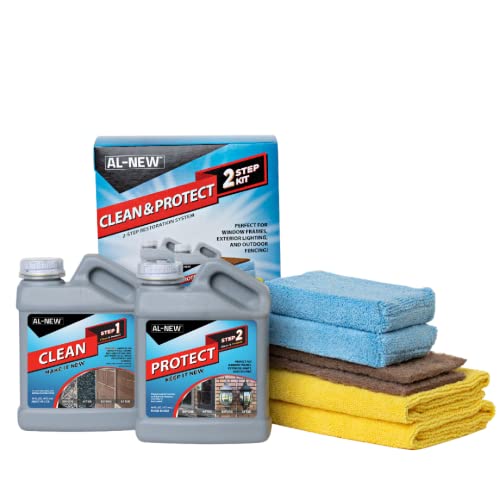
For tougher spots, consider using a specialized adhesive remover. Apply it as per the instructions, ensuring proper ventilation in the workspace. It’s imperative to test the product on a hidden area first to prevent damage to the surface.
If natural alternatives are preferred, a solution of vinegar and warm water can work wonders. Mix equal parts and apply it directly to the residue. Scrub gently with a soft brush or cloth until the resin starts to lift away.
After treatment, clean the area with soap and water to eliminate any residual chemicals. This ensures the longevity of your outdoor pieces while restoring their original look. Regular maintenance and prompt cleaning can prevent buildup in the future.


Guidelines for Eliminating Adhesive Residues
I recommend first testing the chosen solution on a small, inconspicuous area. Using isopropyl alcohol or rubbing alcohol can be effective for tackling sticky remnants. Apply a small amount to a clean cloth and gently rub the affected area until the residue starts to break down. It might take a few applications to fully eliminate the unwanted material.
Utilizing Household Items
<p=I find that kitchen staples can also be quite handy. A mixture of baking soda and vegetable oil creates a paste that can be spread over the area. Allow it to sit for several minutes before wiping it away with a soft cloth. This method not only aids in lifting away the residue but also conditions the surface.
Commercial Solutions
Specialized products designed for adhesive removal are highly effective. These can be found in home improvement stores. Always follow the manufacturer’s instructions, ensuring proper ventilation during application. After using any chemical-based solution, rinse the wooden surfaces thoroughly with water to eliminate any remaining chemicals.
Identify the Type of Furniture Material
First, determine whether the item is made of wood, metal, plastic, or fabric. Each material requires a different approach. Wooden surfaces, such as teak or cedar, are porous and can absorb substances, necessitating a gentle touch during cleaning. Metal includes types like aluminum or wrought iron, which may be more resilient but can also get scratched if too abrasive methods are used. Plastic furniture tends to be more forgiving, but it can also be discolored by harsh chemicals. Fabric items, such as cushions, need gentle treatment with care to avoid damage to the fabric itself.
Wood Furniture
Inspect the finish. Untreated wood absorbs liquids quickly, while treated options repel some spills. For unfinished wood, I recommend testing any cleaning solution on an inconspicuous area first. This helps ensure that it won’t strip away the natural look or color of the material.
Metal and Plastic
For metallic constructions, check for rust, which may occur if the protective coating is compromised. Use soft cloths or sponges to prevent scratches. As for plastic, remember that some types can deform when exposed to solvents, so always prioritize options that are labeled safe for such materials.
Gather Necessary Cleaning Supplies
To successfully tackle the sticky residue, I gather specific items that make the process smoother. First, a high-quality adhesive remover or rubbing alcohol is essential for breaking down the substance efficiently. I also have a soft cloth or sponge ready for application and scrubbing without scratching the surface.
Here’s a list of additional supplies I find helpful:
| Item | Description |
|---|---|
| Plastic Scraper | Non-abrasive tool to lift residue without harming the surface. |
| Warm Water | Helps to soften and dissolve the material when mixed with cleanser. |
| Microfiber Cloths | Non-lint fabric that effectively captures and removes particles. |
| Protective Gloves | To keep hands safe from chemicals and sticky substances. |
| Bucket | For mixing cleaning solutions and holding used materials. |
Having the right tools at hand significantly simplifies the task, ensuring that I can clean efficiently and with minimal stress.
Test a Small Area for Compatibility
I always begin by selecting an inconspicuous spot on the surface to check compatibility with the cleaning agents. Apply a small amount of the chosen solution using a clean cloth or cotton ball. This ensures no adverse reactions occur with the material. Let it sit for a few minutes to observe any changes, such as discoloration or damage.
If the test area responds well without discoloration or unwanted effects, proceed with larger sections. Should any negative reactions occur, switch to a different method or agent to avoid further harm.
This approach not only protects the piece but also builds confidence in the cleaning process.
Apply Suitable Solvents for Sap Removal
I recommend using rubbing alcohol or mineral spirits to tackle the sticky residue. These solvents effectively break down the viscous elements, making it easier to lift the stain without causing harm to various surfaces.
Rubbing Alcohol
This is excellent for porous materials like wicker or wood. Apply some with a soft cloth, allowing it to sit for a few minutes to penetrate the substance. Afterward, gently wipe away any softened debris.
Mineral Spirits
For harder surfaces, such as metal or plastic, mineral spirits can be more effective. Use a clean rag to apply a small amount, and scrub lightly. Always ensure that excess liquid does not pool, as this might damage finishes.
Gently Scrub with Appropriate Tools
I recommend using a soft-bristle brush or a microfiber cloth for scrubbing. These tools are gentle enough to prevent surface scratches while still being effective in lifting off resin residues.
Follow these specific steps:
- Wipe the affected area with a damp cloth to soften the material.
- Apply a suitable solvent to the cloth or brush.
- Lightly scrub in a circular motion, being careful not to apply excessive pressure.
- Use a clean, dry cloth to wipe away any residue or moisture.
For hard surfaces like metal or resin, a plastic scraper can help dislodge stubborn spots without damaging the finish. Always work in small sections for better control.
Maintenance Tips
- Regularly inspect the items for new deposits to address them promptly.
- Create a protective barrier using furniture covers when not in use.
- Consider using a dedicated outdoor furniture cleaner that offers preventive measures.
Rinse the Area Thoroughly
After treating the affected region, it’s essential to cleanse the surface effectively. Use lukewarm, soapy water to rinse the area, ensuring all residues of solvents and unwanted substances are eliminated.
Follow these steps for optimal results:
- Prepare a mixture of water and mild detergent.
- Use a soft cloth or sponge to apply the soapy solution.
- Wipe the area gently, ensuring that all cleaning agents are fully removed.
- Rinse the cloth or sponge frequently to prevent recontamination.
- After washing, use clean water for a final rinse to ensure no soap film remains.
Complete this process by drying the surface with a clean, dry towel. This will help avoid any water spots and ensure that the finish stays intact.
Follow Up with a Protective Finish
After successfully tackling the adhesive residue on your outdoor seating, applying a protective coat is essential to prevent future damage. Choose a finish compatible with the material of your items–whether it’s wood, metal, or plastic. For wooden surfaces, a high-quality varnish or sealant can significantly enhance durability and water resistance.
Selection of the Right Product
Opt for finishes specifically designed for outdoor use, providing UV protection and weather resistance. If your pieces are metal, consider using a rust-inhibiting spray or a specialized outdoor paint. For plastic, you might not need a finish, but a suitable outdoor cleaner can help maintain its condition.
Application Technique
Ensure the surface is clean and dry before application. Use a brush or spray evenly, avoiding drips and pooling. Multiple thin layers yield better protection than one thick coat. Allow each layer to cure completely as per the manufacturer’s guidelines for optimal results.
Prevent Future Sap Accumulation
To reduce the chances of sticky residue building up, consider positioning your outdoor seating away from trees during setup. If relocating isn’t an option, regularly inspect the surrounding area for any branches or limbs that might produce drips and trim as necessary.
Applying a protective coating, such as a sealant or outdoor varnish, can create a barrier against this type of residue. Look for products specifically designed for your material, as compatibility ensures maximum effectiveness. Renew this protective layer annually to maintain its efficacy.
Routine maintenance is key. Clean the surfaces on a regular schedule to prevent accumulation. Use a soft cloth or sponge with warm soapy water, followed by a rinse, to keep surfaces free of debris that could attract unwanted substances.
Utilize Covers During High-Pollen Seasons
If your locale experiences heavy pollen or sap production at specific times, consider using protective covers on your seating when not in use. They act as a shield against natural debris, minimizing the need for intensive cleaning later.
Opt for Sap-Resistant Alternatives
When purchasing new outdoor items, focus on materials that naturally resist such substances. Resin or high-density polyethylene options are less likely to trap sticky residues compared to wood or fabric alternatives. Investing in these materials can significantly decrease future maintenance concerns.
FAQ:
What are the most effective methods to remove tree sap from my wooden garden furniture?
One effective method to remove tree sap from wooden garden furniture is to use rubbing alcohol or hand sanitizer. Apply a small amount onto a soft cloth and rub the affected area gently. Another option is to use a mixture of warm water and mild dish soap. Soak a cloth in the soapy water, then place it on the sap for a few minutes to soften it, followed by careful scraping with a plastic scraper. Make sure to finish by rinsing the area with clean water and drying it thoroughly to avoid further damage.
Can I use vinegar to remove tree sap from my patio furniture?
Yes, vinegar can be used to help remove tree sap from patio furniture. The acidity in vinegar helps break down the sap. To do this, soak a cloth in white vinegar and apply it to the sap-stained area. Let it sit for about 10-15 minutes to loosen the sap. Afterward, gently scrub the area with a soft cloth or sponge until the sap is removed. Rinse with water afterward to clean the surface.
What precautions should I take when using chemicals to clean tree sap from garden furniture?
When using chemicals like rubbing alcohol or commercial sap removers, it’s important to first test the product on a small, hidden area of the furniture to ensure it does not cause any discoloration or damage. Always work in a well-ventilated area, and wear gloves to protect your skin from irritants. After cleaning, thoroughly rinse the furniture with water and allow it to dry completely before applying any protective finishes or coverings.
Is there a way to prevent tree sap from sticking to my garden furniture in the future?
To help prevent tree sap from adhering to your garden furniture, consider regularly applying a protective sealant that is suitable for the material of your furniture. Additionally, you may want to keep furniture covered or stored away from trees known for dripping sap during certain seasons. Regularly cleaning and maintaining the furniture can also help make it less prone to sap accumulation.


