Caleb Turner
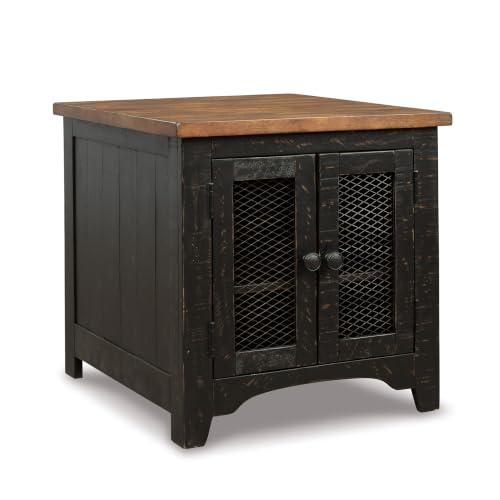
Begin by assessing the source. Inspecting every nook and cranny of your cherished item can reveal where unwanted fragrances might be lurking. Pay special attention to hidden compartments and crevices where moisture may have accumulated over time.
Next, I employ a mixture of baking soda and essential oils. I evenly sprinkle baking soda inside drawers and surfaces, allowing it to absorb the unwanted odors. A few drops of lavender or lemon oil can add a pleasant scent, enhancing the overall atmosphere of the piece.
Regularly airing out furniture is another method I find beneficial. Placing items in a well-ventilated space for several hours can do wonders. If possible, direct sunlight can assist in freshening up the surfaces while also working to reduce dampness.
In cases where moisture persists, using a dehumidifier near the furniture can greatly mitigate the issue. Keeping humidity levels low not only aids in preventing further odor creation but also protects the integrity of the piece.
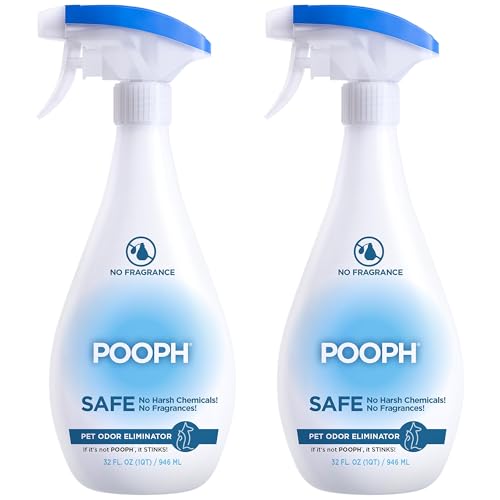
Finally, consider using a specialized wood cleaner or revitalizer specifically formulated to combat aged furniture. These products not only clean but also condition the wood, eliminating decayed scents while enhancing its natural beauty.


Eliminating Odors from Vintage Pieces
I prefer using baking soda for tackling odors embedded in vintage items. I sprinkle a generous amount inside drawers and on surfaces, then leave it overnight to absorb unwanted fragrances. The following day, I vacuum or wipe it clean, revealing a fresher scent.
<p/Vinegar offers another effective approach. I mix equal parts of water and white vinegar in a spray bottle, lightly misting the surfaces while avoiding excess moisture. After letting it sit for a few hours, I wipe it down with a soft cloth; this neutralizes unpleasant odors effectively.
<p/Using activated charcoal works wonders too. I place bowls filled with activated charcoal in various nooks, allowing it to draw in stale scents over several days. This method is especially beneficial for enclosed spaces like cupboards.
<p/I also find that utilizing natural sunlight can be helpful. I position the piece outside or near a window for a few hours to air it out. Fresh air combined with sunlight can significantly diminish unwanted aromas.
<p/Essential oils provide a pleasant alternative to strengthen freshness. I mix a few drops of my preferred oil with water in a spray bottle, using it to lightly mist the furniture. This not only masks unpleasant fragrances but also imparts a lovely scent.
<p/Another technique involves using newspapers. I crumple up sheets and place them inside drawers or compartments, allowing them to absorb unwanted odors over a few days.
<p/Lastly, regular maintenance is crucial. I consistently check and clean my antique items, ensuring no moisture accumulates over time. Keeping them dry and well-cared for prevents the return of any undesirable scents.
Identify the Source of Unwanted Odors
Begin by investigating areas where moisture might accumulate. Inspect joints, corners, and hidden compartments for dampness. A flashlight can help reveal dark spots that harbor mold.
Check for Common Penetrators
- Look for spills or stains that suggest liquid exposure.
- Examine the upholstery for signs of mildew.
- Assess the wood condition for rot or water damage.
Environmental Factors to Consider
Humidity levels in the surrounding area play a significant role. Use a hygrometer to gauge indoor moisture. Any level above 60% can cause problems.
Airborne particles from nearby plants or basements can also contribute to lingering scents. Identify these sources by checking air circulation and filtering systems.
Clean the Furniture Surface Thoroughly
I recommend cleaning surfaces meticulously using a mixture of warm water and mild soap. Use a soft cloth or sponge to avoid scratching the finish. Focus on crevices, corners, and any decorative details where dust and grime accumulate. Wipe down all surfaces, including the underside, to eliminate potential sources of odor.
Use Vinegar Solution
A solution of equal parts white vinegar and water can effectively neutralize unpleasant odors. After cleaning with soapy water, apply this mixture with a cloth and let it sit for a few minutes before wiping it off with a clean, damp cloth. The vinegar’s natural properties help eliminate unwanted scents lingering on the surface.
Dry Completely
Ensure that all cleaned surfaces dry thoroughly. Use a fan or place the furniture in a well-ventilated area to speed up the drying process. Moisture can exacerbate issues, so this step is crucial in preventing further challenges.
Use Natural Deodorizers for Odor Elimination
I recommend utilizing baking soda as a powerful natural deodorizer. Generously sprinkle it on surfaces and within drawers or compartments, allowing it to sit for several hours or overnight to absorb unpleasant odors. A thorough vacuuming afterward will enhance its effectiveness.
Citrus Solutions
Citrus peels, particularly from oranges or lemons, can infuse a pleasant fragrance. Placing fresh peels in a small bowl within the item will foster a refreshing scent over time. Alternatively, applying diluted lemon juice to surfaces wipes away lingering odors while imparting a clean aroma.
Vinegar Magic
White vinegar serves as a remarkable neutralizer. Dampen a cloth with vinegar and wipe all surfaces, followed by a water rinse after a brief period. For deeper penetration, I soak a cloth with vinegar and leave it inside the piece for several hours. The essence of vinegar dissipates, taking unwanted odors along with it.
Activated charcoal is another excellent choice. Place small bags or bowls of the charcoal inside and allow them to work their magic over several days. This will significantly aid in absorbing persistent scents.
Also, consider essential oils. Mixing a few drops of oils like lavender or tea tree in water creates a spray solution. Lightly mist the area, ensuring not to saturate surfaces; the pleasant fragrance will lend a fresh ambiance.
Apply Specialized Furniture Cleaners
For persistent odors, utilizing specialized furniture cleaners is an optimal choice. These cleaners are formulated to penetrate deeply into the surfaces of the item, targeting the root of the unwanted aromas. Always select a product intended for the specific material–whether it’s wood, upholstery, or leather.
Choosing the Right Product
To ensure compatibility, check the label for instructions regarding the type of finish, wood species, or fabric. Here’s a quick guide for selecting appropriate cleaners:
| Material | Recommended Cleaner |
|---|---|
| Wood | Oil-based cleaners or specialized wood polish |
| Upholstery | Foam upholstery cleaner or fabric-safe solution |
| Leather | Leather conditioner that includes cleaning agents |
Application Tips
Apply cleaner according to the manufacturer’s recommendations. For furniture surfaces, gently buff with a microfiber cloth in circular motions. In the case of upholstered items, test on a small, inconspicuous area first to verify colorfastness. After cleaning, allow the piece to air out in a well-ventilated area to enhance freshness.
Utilize Air Purifiers and Dehumidifiers
Invest in a high-quality air purifier equipped with a HEPA filter. This will trap mold spores, dust, and other airborne pollutants, promoting cleaner air in your space. I recommend placing it near your vintage pieces for optimal results.
Deploy a dehumidifier to maintain humidity levels below 50%. Excessive moisture can perpetuate unpleasant odors. Regularly check and empty the water reservoir to ensure continuous operation.
Make it a habit to run both devices frequently, particularly during humid seasons. I found that setting a timer for consistent use helps in effectively reducing stale odors over time.
In addition, consider an air purifier with activated carbon filters, as they specifically target and neutralize unwanted scents. This feature complements the dehumidifier’s function, resulting in a fresher environment.
Regular cleaning of both appliances will enhance their performance. Dust and replace filters as necessary, ensuring they operate at peak efficiency, contributing significantly to a fresher atmosphere around your cherished belongings.
Prevent Future Odors with Proper Storage
Utilizing airtight containers is the first step in ensuring that your pieces stay free from unwanted fragrances. Invest in quality storage that seals away moisture and air. Consider materials such as plastic bins with tight lids or vacuum-sealed bags for textiles.
Temperature control plays a significant role; keep items in a climate-controlled environment. Humidity levels should remain between 30-50%. A simple hygrometer can help monitor the conditions, alerting you to any fluctuations.
Regularly check on stored items. Consider a schedule for inspecting furniture every few months. Look for any signs of dampness or mold, addressing any issues immediately.
Use silica gel packets or activated charcoal bags in the storage space. These natural desiccants will absorb excess moisture, preventing unwanted scents before they start. Replace them periodically to maintain effectiveness.
Consider wrapping furniture with breathable textiles, avoiding plastic covers which can trap moisture. Muslin or cotton fabric allows items to breathe while offering some protection from dust and dirt.
Avoid placing items directly on concrete or unprotected floors; use pallets or raised platforms to elevate them. This simple change provides better airflow beneath the pieces, reducing moisture absorption from the ground.
Keeping the storage area clean and well-ventilated is crucial. Regularly sweep and dust the space, removing potential triggers for bad odors. Open windows when possible to allow fresh air to circulate.
Grouping similar items together can help in monitoring their conditions more effectively. Create designated zones for each type of material, making it easier to spot any furniture that may need immediate attention.