
 Caleb Turner

I recommend using a mixture of warm water and mild soap to tackle adhesive marks. Gently dampen a soft cloth with the solution and wipe the affected area to soften the residue.
For stubborn spots, employing a small amount of cooking oil, like olive or coconut oil, can be beneficial. Apply it directly onto the glue remnants, allow it to sit for a few minutes, and then wipe away using a clean cloth.
If necessary, incorporate a bit of baking soda to form a paste with the oil or soap. This mild abrasive can help lift the residue without damaging the wood’s finish. Rub the paste gently with a soft cloth, following the wood’s grain.
Always conclude by wiping the surface with plain water to eliminate any remaining substance, then dry with a soft, lint-free towel to prevent water damage.
Removing Adhesive Residue from Timber Surfaces
First, gather the following materials: a plastic scraper, rubbing alcohol, cotton balls, and a soft cloth. Start by taking the scraper and gently lift any remaining bits of the adhesive. Be cautious to avoid scratching the surface.


Next, soak a cotton ball in rubbing alcohol. Test a small, inconspicuous area of the wood to ensure no damage occurs. If the finish remains intact, apply the alcohol-soaked cotton to the residue, allowing it to sit for a few minutes to soften the glue.
After the waiting period, use the scraper again to gently peel off the softened residue. Wipe the area clean with a soft cloth to remove any remaining alcohol or loosened bits.
For stubborn spots, repeat the process as necessary. Avoid using excessive force during scraping to keep the wood surface unharmed. If residue persists, a commercial adhesive remover specifically designed for wooden surfaces can be coupled with cautious application.
| Material | Purpose |
|---|---|
| Plastic scraper | To lift adhesive without causing scratches |
| Rubbing alcohol | To soften and break down the adhesive |
| Cotton balls | For applying rubbing alcohol to the residue |
| Soft cloth | For cleaning the area once the adhesive is removed |
Lastly, if the surface appears dull after cleaning, consider applying a wood polish to restore its original luster.
Identify the Type of Adhesive Strip Applied
Assess the material of the adhesive strip. Common types include masking, painter’s, duct, and packing substances, each with distinct properties and removal techniques.
For identification, touch the surface. A glossy finish suggests packing or duct varieties, while a matte texture typically indicates painter’s or masking options.
Evaluate the adhesive’s strength. If it resists peeling away cleanly, it’s likely a stronger variant like duct. If it unpeels with ease, it may be a lighter option, such as painter’s tape.
Check for residues. Some materials leave sticky remnants once lifted, needing solvents or oils for complete cleanup. Others might come off cleanly, requiring little more than a gentle pull.
Consider the purpose for which the strip was used. For instance, painter’s varieties are designed to peel away during or after painting without damaging underlying surfaces. Understanding its intended use can guide your approach for safe removal.
Gather Necessary Tools and Materials
Before tackling the challenge of extracting adhesive remnants, I make sure to assemble the following items:
- Soft cloths or old rags
- Plastic scraper or credit card
- Warm water
- Mild dish soap
- Rubbing alcohol or vinegar
- Cooking oil or adhesive remover
- Glass cleaner
- Protective gloves
Each tool serves a specific function in the process. For instance, cloths help absorb moisture and protect surfaces, while a plastic scraper allows for careful lifting without gouging. Mild soap mixed with warm water can provide an initial cleaning solution. Alcohol or vinegar will assist in breaking down stubborn residues.
Preparation Steps
I begin by putting on the protective gloves to guard my hands against chemicals. Next, I mix a few drops of dish soap into a bowl of warm water. This simple solution aids in loosening any adhesive while being safe for the surface.
Advanced Options
If the standard methods fall short, I consider using adhesive removers or oil. These alternatives work effectively on more challenging stains. Just a small amount applied to the residue can facilitate the process. Always test these products on a hidden area to ensure compatibility.
Test Cleaning Solutions on an Inconspicuous Area
I recommend applying any cleaning agent to a hidden section before using it on more visible spots. For wooden surfaces, select a discreet area, perhaps underneath a leg or back panel. This step helps prevent unexpected discoloration or damage.
Use a cotton swab or soft cloth to apply a small amount of the solution. Gently rub it in and observe for any changes over 10-15 minutes. Look for signs such as fading, streaking, or texture alteration. If no adverse reactions are evident, it’s likely safe to proceed with the broader application.
Consider also the wood finish. Varnish, lacquer, or oil can react differently to various substances. Adjust the method depending on the tested area’s material composition. Always opt for gentle pressure to avoid scratching the wood.
Lastly, keep a clean cloth nearby to wipe away any excess cleaning solution immediately. Taking these precautions minimizes the risk of unintended damage while maintaining the integrity of your belongings.
Apply Heat to Loosen the Adhesive
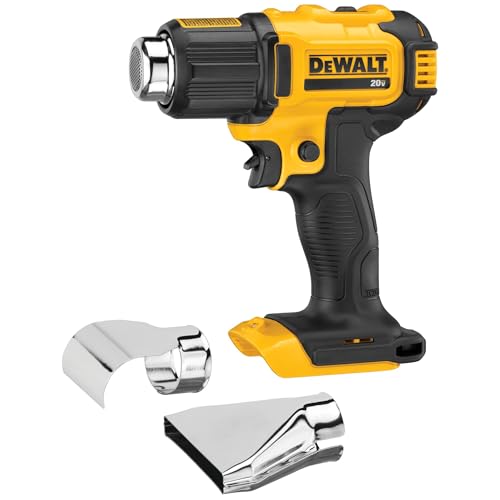
Using heat can effectively assist in detaching that unwanted residue. I recommend utilizing a hairdryer or a heat gun for this purpose. Here’s how I do it:
- Set the appliance to a low or medium setting to ensure controlled heat application.
- Hold the device about 6–8 inches away from the surface to avoid overheating and damaging the wood.
- Move the heat source in a circular motion over the adhesive for about 30 seconds to 1 minute. This allows the heat to penetrate and soften the glue without scorching the finish.
Once the adhesive feels warm to the touch, attempt to gently lift it away using a plastic scraper or your fingernail. If it doesn’t budge, apply more heat for another short interval.
It’s essential to monitor both the surface temperature and the adhesive. Excessive heat can warp or discolor the wood, so proceed with caution.
After achieving some success, I often find that applying a bit of pressure while gently pulling up the loosened remnants increases the chances of successful detachment without causing any harm to the underlying material.
Use a Gentle Scraping Method
I find that using a gentle scraping technique is highly effective for tackling adhesive residues without damaging the surface. A plastic putty knife or an old credit card works well for this purpose. Begin at the edge of the residue, cautiously sliding the tool under the adhesive. Maintain a low angle to avoid gouging the finish of the material.
Step-by-Step Approach
After applying heat to loosen the bond, I gently lift the edges of the residue. Gradually work towards the center, applying minimal pressure and checking for any signs of damage to the underlying surface. If resistance increases, it’s prudent to stop and apply more heat before trying again.
Tips for Success
Always keep the scraping gentle; excessive force can lead to scratches or blemishes. If I encounter stubborn areas, I often dab a small amount of a suitable adhesive remover on the area and let it sit briefly before attempting to scrape again. This method ensures that the integrity of the wood remains intact while effectively managing adhesive residues.
Clean the Residue with Solvents
I recommend using solvents like isopropyl alcohol or acetone to eliminate adhesive left on the surface. These substances break down difficult spots effectively. Apply a small amount of your chosen solvent onto a soft cloth, ensuring it’s damp but not soaking wet.
Gently dab the affected area, allowing the solvent to penetrate the residue. Wait a minute or two to let it work its magic. After that, use a clean section of the cloth to wipe away the softened adhesive. It’s important to avoid excessive rubbing, which may damage the finish.
For tougher patches, repeat the process if necessary. Always ensure the space is well-ventilated to minimize inhalation of fumes. If you notice any discoloration or damage to the surface, stop immediately and reassess your approach.
Finishing up, buff the area with a dry cloth to restore shine and remove any last remnants of solvent for a polished look.
Restore the Wood Finish After Removal
To rejuvenate the surface after adhesive extraction, select a wood polish or wax compatible with your specific finish. Apply the product using a soft cloth in gentle, circular motions. This will help blend any discoloration caused during the removal process.
Buffing and Polishing
After the polish has set for a few minutes, buff the area using a clean, dry cloth. This step enhances the shine and further integrates the restored section with adjacent areas, creating a consistent appearance.
Protective Coating Application
If the surface retains any dullness or if you want extra durability, consider applying a clear protective coating. Choose a finish that matches your furniture’s original luster, ensuring compatibility with existing finishes. Apply with a foam brush for an even layer and allow it to cure as per the manufacturer’s instructions.


