Caleb Turner

If you find yourself with an adhesive mishap on your upholstered seating, don’t panic. I recommend acting quickly, as fresh marks are easier to handle. Start by gently scraping off any excess residue with a plastic knife or credit card. This helps prevent further embedding into the fibers.
Next, dab the affected area with a cotton ball soaked in rubbing alcohol. The alcohol breaks down the bond, allowing the remnants to lift more efficiently. Be cautious–test the alcohol on an inconspicuous spot first to ensure it doesn’t damage the color or texture.
If the stain persists, apply a small amount of dish soap mixed with warm water to the area. Gently blot with a soft cloth, avoiding excessive rubbing. Rinse with a damp cloth afterward to remove any soap residue. Repeating these steps can significantly improve the appearance of the upholstery.
Identify the Type of Fabric Before Proceeding
Knowing the specific material is critical for an appropriate approach. Each textile reacts differently to chemicals and physical methods.

- Cotton: Generally durable; testing methods with mild solvents can be effective.
- Polyester: Synthetic fiber often resistant to many treatments; however, heat can warp it.
- Wool: More delicate; avoid harsh chemicals as they can damage fibers.
- Leather: Requires special care; some solvents can lead to discoloration or drying out.
- Silk: Extremely sensitive; testing on an inconspicuous area is essential.
Always read care labels, as they provide insights into proper cleaning techniques and permissible products. Documenting results from any tests can help develop a tailored strategy for handling the adhesive issue.
Gather Necessary Materials for Removal
Prepare a selection of household items that will aid in the detachment process. You’ll need:
- Acetone or nail polish remover – A potent solvent that can break down residue.
- Clean cloths or paper towels – For gentle application and absorption.
- Warm water – To dilute any stubborn areas and facilitate removal.
- Dish soap – A mild detergent can help lift residue without damaging the texture.
- Sponge or soft brush – Useful for scrubbing without harming the material.
- Plastic scraper or credit card – For carefully lifting off stubborn pieces without tearing the fabric.
- Rubber gloves – To protect your hands from chemicals.
- Ventilation – Ensure the area is well-aired to minimize inhalation of fumes.
Assemble these elements before proceeding to ensure a smoother experience when addressing the issue.
Test the Adhesive Remover on a Hidden Area
I recommend conducting a patch test before applying any adhesive remover on the visible areas. Select a small, inconspicuous spot on the furniture–ideally in the back or underneath. Apply a tiny amount of the chosen solvent using a cotton ball or a soft cloth.
Observe for Reactions
Leave the remover on the fabric for a few minutes, then check for any adverse reactions such as color fading, texture alteration, or fraying. If the area looks fine, you can proceed with treating the glue stain. If any damage occurs, opt for a milder solution or alternative methods.
Soak and Blot Technique
If the test proves successful, use the soaking and blotting technique to deal with the residue. Apply the product to the stained area, allowing it to dissolve the bond while gently dabbing with a clean cloth. Rinse with water once the residue is loosened, ensuring no remnants of the solvent remain.
Apply the Chosen Method for Adhesive Elimination
First, I prep the area by placing a cloth underneath to catch any drips. If using a solvent, I dampen a clean cloth with the substance and gently dab it onto the sticky area. I avoid soaking the fabric; a little goes a long way. Keeping a steady, light pressure helps lift the residue without damaging the fibers.
If employing a scraping technique, I wield a plastic scraper or a blunt knife. I position it parallel to the surface, sliding it under the residue, and carefully lift it off. Patience is key–too much force can ruin the material.
For baking soda paste, I mix equal parts water and soda. Using a soft brush, I apply the paste directly onto the adhesive. After letting it sit for a few minutes, I gently scrub in a circular motion. This method usually yields great results without harm.
If the adhesive persists, I repeat the process, gradually increasing pressure only if absolutely necessary. Rinsing the area with a damp cloth afterward ensures no residue is left behind. Finally, I let it air dry completely before using the item again.
Use Heat to Soften the Adhesive
I recommend using a hairdryer to apply gentle heat to the area where the bond is present. Hold the dryer about 6 inches away and move it in circular motions to ensure even warmth. Be cautious; too much heat can damage the underlying material. Start with a low setting to gauge how the fabric responds.
After a minute or two of heating, carefully test the edges of the bond with your fingers or a soft cloth. If the substance feels malleable, continue gently warming the area until it softens enough for removal.
Always avoid overheating, as extreme temperatures could lead to discoloration or melting of the upholstery. If you’re uncertain, take breaks during the process to assess the condition of the material.
Carefully scrape off excess residue
I carefully use a plastic scraper or the edge of a credit card to gently lift the majority of the adhesive without damaging the upholstery. It’s essential to hold the tool at a low angle, applying minimal pressure. Starting from the outside of the residue, I slowly work my way inwards. This method helps to prevent spreading the adhesive further into the fabric.
Utilize a soft cloth
After getting rid of the bulk, I take a soft, dry cloth to gently blot the area. This helps absorb any remaining residue that may be loosened during the scraping process. Instead of rubbing, I focus on dabbing to avoid pushing the substance deeper into the fibers.
Be patient
This process may require a little time and multiple passes. I ensure that I am patient, as rushing can lead to fabric damage. If the adhesive remains stubborn, I reevaluate the tools and solutions I’ve used, adjusting my approach as needed.
Clean and Restore the Fabric After Removal
To rejuvenate the upholstery post-extraction, it’s crucial to treat the area thoroughly. Start with a mild detergent mixed with warm water. Dampen a clean cloth in this solution and gently dab the affected region to lift any lingering residue. Avoid soaking the fabric, as excess moisture can cause further damage.
Steps for Cleaning
- Use a soft brush or cloth to agitate the area lightly after applying the detergent solution. This helps in breaking down any stubborn particles.
- Rinse the cloth in clean water and dab the area again to remove soapy remnants. Ensure no detergent is left, as it might attract dirt.
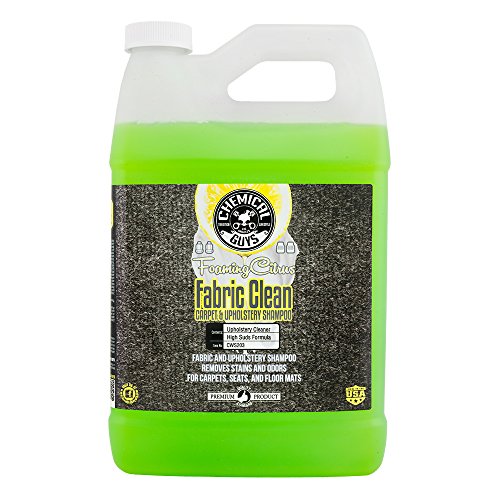
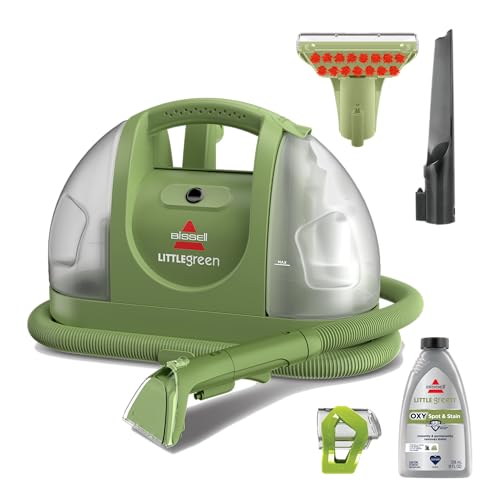
- For any persistent marks, consider using a fabric-safe spot cleaner following the manufacturer’s instructions.
Restoring Texture and Appearance
Once the cleaning is complete, it’s vital to restore the material’s appearance. If the texture feels flattened, gently brush the area with a soft-bristled brush in the direction of the fibers. For certain materials like velvet, steaming can help lift the nap and revive the original feel.
| Material Type | Cleaning Method | Restoration Tip |
|---|---|---|
| Cotton | Mild detergent and water | Iron on low with a cloth barrier |
| Polyester | Spot cleaner for upholstery | Brush to restore fluff |
| Leather | Leather conditioner | Use a soft cloth to buff |
Ensure the area is fully dry before use. Regular upkeep will help maintain the refreshed look and feel of the material.