
 Caleb Turner

Your first line of action involves mixing equal parts of olive oil and vinegar. This combination not only cleans but also nourishes the surface, leaving it looking refreshed. Apply the mixture with a soft cloth, following the grain of the material for the best results.
If you encounter stubborn residues, a paste made from baking soda and water can work wonders. Gently rub this paste on the affected areas with a damp cloth, ensuring a light touch to avoid scratching the surface. Rinse with a clean, damp cloth afterward to eliminate any remaining residue.
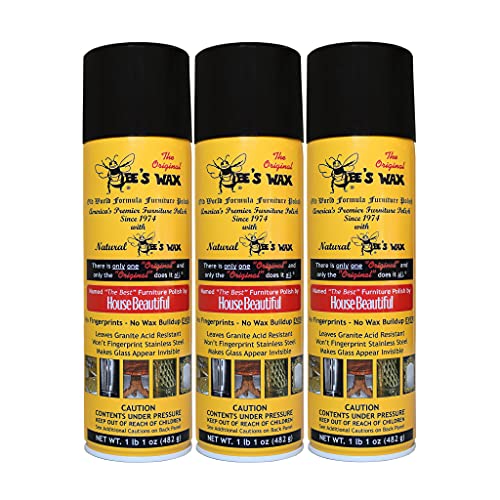
For protective measures, consider utilizing a specialized wax or beeswax. After cleaning, apply a thin layer to maintain the sheen and shield against future blemishes. This proactive approach not only enhances the finish but also prolongs the life of your beloved pieces.
Restoring the Shine of Your Surfaces
I found that olive oil combined with vinegar works wonders on glossy finishes. Mix equal parts of both in a spray bottle and apply to a soft cloth, then gently buff the affected areas. This not only cleans but also nourishes the finish, leaving it looking revitalized.


Utilizing Natural Options
Another method involves using a paste made of baking soda and water. This is particularly effective for deeper marks. I suggest applying this mixture with a soft cloth, rubbing it in circles, then wiping it away with a damp cloth. Follow up by drying the area thoroughly to avoid moisture damage.
Commercial Solutions to Consider
There are many specialty products available that target imperfections. I recommend selecting a product specifically designed for glossy surfaces. Always test any cleaning solution in an inconspicuous area first to ensure it doesn’t alter the finish.
Lastly, maintaining a regular dusting routine can help prevent residue buildup, which makes future cleaning much easier. A microfiber cloth works best for trapping dust without scratching the surface.
Understanding Different Types of Wood Finishes
Choosing the right finish for your timber surfaces is critical for maintaining their appearance and durability. Here’s a breakdown of common finishes with specific characteristics:
- Varnish: Provides a hard, glossy coating. It’s resistant to moisture and wear, making it suitable for high-traffic areas.
- Oil: Enhances the natural color and grain. Options include linseed and tung oil, which penetrate deeply to nourish the surface.
- Polyurethane: A versatile synthetic option that comes in water-based and oil-based varieties. It creates a tough barrier against scratches and spills.
- Wax: Offers a soft, natural finish and is easy to apply. While it provides some protection, it requires frequent reapplication.
- Shellac: An alcohol-based finish that dries quickly, giving a warm glow. It’s less durable than other finishes but can be repaired easily.
The selection of the finish should align with the intended use of the piece. For example, dining tables benefit from durable coatings like polyurethane, while decorative pieces may embrace the warmth of oil or wax.
- Maintenance: Consider the upkeep required for each finish. Some may need more frequent applications or special cleaning methods.
- Environmental Considerations: Water-based finishes reduce toxic emissions, making them safer for indoor use.
Assess the needs of your item and environment to choose a suitable finish that enhances aesthetics while providing necessary protection.
Identifying the Cause of Smudges on Wood
Begin by examining the surface for residue types. If the marks are greasy, the likely source could be food or hand oils. For signs of moisture, consider the possibility of spills or humidity affecting the finish. Dust accumulation, when mixed with moisture, also leads to unsightly patches that require attention.
Next, assess the finish of the surface. Different treatments–like lacquer, varnish, or oil–react differently to allergens, heat, and chemicals. Soft finishes, such as wax, are more prone to attracting and showing imperfections compared to harder finishes that offer durability.
Check the environment. Proximity to heating sources can result in temperature fluctuations, which may create streaks or discoloration. If furniture is located near windows, sunlight can also fade or damage certain finishes over time.
Don’t overlook cleaning products used around the piece. Chemicals that come into contact with the surface may leave behind stains. Evaluating these elements will help pinpoint the origin of the blemishes, allowing for targeted cleaning strategies that preserve the integrity of the material.
Choosing the Right Cleaning Solution for Wood
Opt for natural or pH-balanced cleaners. They are gentle on finishes and surfaces, ensuring longevity without damage. Avoid harsh chemicals or ammonia-based products, which can strip the protective layers.
Natural Cleaner Recipes
Mix equal parts of vinegar and olive oil for a simple solution. This blend not only cleans but also nourishes the surface. Alternatively, a soap solution made from mild dish soap and warm water is effective. Always test on a hidden area to ensure compatibility with the finish.
Commercial Options
If choosing store-bought options, look for brands that specify they are safe for all types of finishes. Products labeled as furniture polish often contain wax that can add shine while providing a protective barrier.
| Type of Cleaner | Benefits | Considerations |
|---|---|---|
| Natural | Safe, environmentally friendly, nourishing | May require more frequent application |
| Commercial | Convenient, formulated for wood care | Check for harmful chemicals |
Always follow the manufacturer’s instructions and apply sparingly. A soft cloth is ideal for application, as it prevents scratching while allowing for thorough coverage.
Using the Correct Cloth to Avoid Scratches
For optimal results, I recommend microfiber cloths. Their soft texture ensures that delicate surfaces remain scratch-free while efficiently attracting dust and grime. Regular cotton or paper towels can be too abrasive, which may lead to unintentional damage.
Here are some specific recommendations on choosing the right cloth:
- Microfiber: Excellent for gentle cleaning and polishing, minimizes risk of scratches.
- Soft Cotton: If microfiber isn’t available, a smooth, lint-free cotton cloth can serve as a decent alternative.
- Chamois Leather: Ideal for buffing surfaces, offering a scratch-free finish after cleaning.
Avoid using the following types of cloths:
- Rough Fabrics: Avoid denim or fabrics with a texture; they can leave micro-scratches.
- Paper Towels: Often too abrasive and can cause scratches, especially on polished surfaces.
- Old Rags: The fibers might not be soft enough and can contain dirt that scratches surfaces.
Care Tips for Cloths
To ensure longevity and effectiveness, it’s important to keep cleaning cloths in good condition. Regular washing in mild detergent and avoiding fabric softeners will keep their fibers effective. I store them in a clean, dry place to maintain their quality for future use.
Final Thoughts
Using the correct cloth significantly influences the maintenance of surfaces, allowing for shine and longevity without risking scratches. A simple choice in cleaning materials can lead to remarkable changes in appearance.
Step-by-Step Guide to Clean Smudges
For immediate results, gather these items: a soft, lint-free cloth, a bowl of warm soapy water, and a specialized wood-safe polish or solution. Begin by lightly dampening the cloth with warm, soapy water.
Gently wipe the affected area in the direction of the grain. This technique effectively lifts the residue without risking damage to the surface. Avoid soaking the wood; excess moisture can lead to warping.
Once the surface appears clean, use a separate dry cloth to wipe away any remaining dampness. This step is crucial in preventing water rings or further blemishes.
If any marks persist, apply a small amount of the wood-safe polish to a clean cloth and rub it onto the area. Maintain a consistent circular motion and allow the polish to penetrate the finish, enhancing its luster.
After applying polish, buff the area with a dry, soft cloth to achieve a polished finish. This final touch helps blend any remaining imperfections and restores the shine.
Regular maintenance will keep surfaces looking pristine. Wipe down furniture with a dry cloth weekly to prevent buildup and ensure longevity.
Repairing Damage After Smudge Removal
Assessing the surface for imperfections is paramount after cleaning. Focus on scratches, discoloration, or dull patches. If any damage is apparent, I recommend following these steps for restoration:
Surface Repair Techniques
For minor scratches, use a matching wood finish marker or crayon. Apply it carefully into the scratch, and then wipe away excess with a soft cloth. For deeper scratches or dents, utilize wood filler. After filling, sand gently once dried, and apply a finish that matches the surrounding area.
Refinishing Options
If the cleaning process has left the surface looking dull, applying a polish is advisable. This can revitalize the sheen and refresh the appearance. In cases where the damage is extensive, consider refinishing the entire piece:
| Steps | Actions |
|---|---|
| 1. Prepare Area | Remove items and clean the surface thoroughly. |
| 2. Sanding | Lightly sand the area using fine-grit sandpaper. |
| 3. Staining | Apply stain to match the original tone. |
| 4. Finishing | Apply a clear sealer or varnish to protect. |
Choosing appropriate products matching the original finish type is crucial. Always test finishes on inconspicuous areas before broader application to ensure compatibility and desired results.
Preventing Future Smudges on Wood Furniture
Applying coasters or placemats under drinks and dishes is a simple yet effective solution. It minimizes the risk of moisture and oil transferring onto the surface. Choose materials that are absorbent, like cork or felt, to enhance protection.
Regularly dusting with a microfiber cloth prevents buildup of dirt, which can cause marks. This practice also helps maintain the shine and finish.
Utilizing Protective Coatings
Consider applying a high-quality wood polish or sealant. These products create a barrier against spills and stains, making it easier to maintain the integrity of the surface over time.
Control Environmental Factors
Maintain a consistent humidity level in your home. Overly dry air can lead to cracks, while excessive moisture can promote mold growth. Using a humidifier or dehumidifier can help regulate indoor conditions.
Be mindful of direct sunlight exposure. Use curtains or blinds to shield the area, preventing fading and damage. This simple adjustment can prolong the appearance of fine pieces.
Establish a routine for cleaning and maintenance. Setting a schedule ensures that care isn’t overlooked and helps to keep surfaces looking pristine without resorting to intensive cleaning methods later.
When to Seek Professional Help for Wood Care
If persistent discoloration appears after attempting to clean, it’s time to get expert assistance. Issues such as deep scratches or cracks may require specialized restoration techniques that can enhance the appearance without further damage.
If the finish appears dull or damaged after cleaning attempts, consulting a professional ensures that the proper refinishing technique is applied, safeguarding the integrity of your treasured items.
Persistent odours or mould growth can indicate underlying issues beyond surface treatment, necessitating an expert’s assessment to effectively address the root cause and restore a healthy condition.
In cases of significant water damage or warped materials, experienced craftsmen have the skills to either repair or replace affected sections while preserving the overall look of the piece.
When unsure of the type of finish or cleaning products compatible with your item, reaching out to a wood care specialist can prevent costly mistakes and potential harm to the surface.
Lastly, if you’re unable to determine the best cleaning method or product for a particularly delicate composition, engaging a professional can provide peace of mind and ensure the longevity of your collection.
FAQ:
What are some simple methods to remove smudges from wood furniture?
There are several straightforward techniques to tackle smudges on wood furniture. One effective method is to use a mixture of equal parts vinegar and olive oil. Apply the solution with a soft cloth, gently buffing the area until the smudges lift. Another option is to use a mild soap solution. Mix a few drops of dish soap with warm water, dampen a cloth with the solution, and wipe the surface gently. Always remember to dry the area after cleaning to avoid water damage.
Can I use commercial cleaners to remove smudges from wood furniture?
Yes, commercial wood cleaners can be effective for removing smudges. Look for cleaners specifically designed for wood surfaces, as they typically contain ingredients safe for the finish. Apply the cleaner according to the manufacturer’s instructions, using a soft cloth to avoid scratching the wood. It’s advisable to test the cleaner on a small, inconspicuous area first to ensure it does not damage the finish before applying it to more visible areas.
Are there any natural remedies for stubborn smudges on wood furniture?
Certainly! For harder-to-remove smudges, you can try using baking soda. Create a paste by mixing baking soda with a small amount of water and gently apply it to the smudged area with a soft cloth. Be cautious to avoid excessive scrubbing, as this can scratch the wood. Another natural option is to use a mixture of lemon juice and olive oil, which can help break down grime while adding shine to the wood. Remember to wipe clean and dry the area afterward.
How can I prevent smudges from appearing on my wood furniture?
To minimize the appearance of smudges on wood furniture, consider implementing a few preventive measures. First, use coasters or placemats for items that can leave marks, such as drinks or food. Regular dusting with a microfiber cloth will also help remove potential sources of smudges before they can settle. Finally, applying a quality wood polish periodically can create a protective barrier on the surface, making it more resistant to stains and smudges.
Is there any special care I need to take when cleaning antique wood furniture?
Yes, antique wood furniture often requires special care due to its delicate finish and age. Use a very gentle cleaner, such as a solution of mild soap and water, and apply it sparingly. Avoid using any harsh chemicals or abrasive materials that could damage the finish. It’s also wise to use a soft, lint-free cloth instead of paper towels, which can scratch the surface. If you’re unsure, consider consulting a professional conservator who specializes in antique furniture for advice on cleaning and maintenance.
What are some DIY methods to remove smudges from wood furniture?
There are several effective DIY methods to clean smudges from wood furniture. One common approach is to use a solution made of equal parts vinegar and water. Simply mix the two ingredients in a spray bottle, lightly spray the affected area, and wipe it down with a soft cloth. Another option is to create a paste using baking soda and water. Apply the paste to the smudge and gently rub it with a soft cloth, then wipe away any residue with a damp cloth. Using specialized wood furniture polish can also help restore shine and remove smudges, as it contains oils that condition the wood. Always test any cleaning solution on a small, inconspicuous area before applying it more broadly to ensure it does not damage the finish.
Are there any specific products recommended for cleaning wood furniture without causing damage?
Yes, there are several products that are recommended for cleaning wood furniture safely. Look for pH-balanced cleaners specifically designed for wood surfaces. These products are formulated to clean effectively without stripping the wood of its natural oils or finish. A microfiber cloth is ideal for dusting and polishing, as it is gentle on the wood and prevents scratching. Additionally, some brands offer a wood-specific wax or polish that not only cleans but also protects the surface. Always read the label for instructions, and consider applying a test on a hidden area first. For regular maintenance, using a simple combination of warm water and a few drops of mild dish soap can work well for light cleaning.


