Caleb Turner

To effectively tackle an unpleasant aroma lingering on your leather seating, I recommend using a solution of water and white vinegar in equal parts. This mixture not only neutralizes odors but also disinfects the surface. Just dampen a soft cloth with the solution and gently wipe the affected areas.
For persistent issues, sprinkle baking soda generously over the surface. Allow it to sit overnight to absorb the unpleasant essence. The following day, simply vacuum the area to eliminate any residue. This natural approach is safe for leather and enhances freshness.
Lastly, consider placing bowls of activated charcoal or coffee grounds nearby. Both materials are well-known for their absorbing properties and can assist in eliminating lingering scents over time. Regular maintenance and ventilation, such as opening windows, can further promote a pleasant environment.


Eliminating Odors from Your Leather Sofa
I suggest using a natural mixture of white vinegar and water in a spray bottle. Combine equal parts of each, lightly spray the surface, and wipe it down with a clean microfiber cloth. This technique neutralizes unpleasant fragrances without damaging the material.
Another effective method involves baking soda. Sprinkle a generous amount onto the affected areas and let it sit overnight. In the morning, vacuum the residue, and you should notice a significant reduction in unwanted scents.
If you prefer a more aromatic solution, consider using essential oils. Mix a few drops of your favorite oil with water in a spray bottle and lightly mist the surface. This approach not only addresses odors but also leaves a pleasant fragrance.
Air circulation plays a key role in diminishing persistent scents. Position your seating arrangement close to an open window or use a fan to help ventilate the space. This can effectively assist in the dissipation of any lingering odors.
For those with persistent issues, professional cleaning might be necessary. Seek a service that specializes in treating upholstery, ensuring they use products safe for the material.
Assessing the Severity of the Smoke Odor
Evaluate the intensity of the odor by considering the duration and impact on the environment. If the haze penetrated deeply into the material, significant effort would be needed to eliminate it. Conduct a sniff test in various areas to identify the worst-affected spots. Pay attention to any visually noticeable residues that may indicate the level of contamination.
Analyze the type of environment where the item was stored. A closed space with limited airflow can worsen absorption, leading to a stronger scent. On the contrary, a well-ventilated area may result in a lighter trace that is more manageable to address.
Examine the furniture for any additional signs of damage, such as discoloration or texture changes, which might correlate with the impact of the airborne particles. This assessment will guide the choice of cleaning agents and methods required for effective treatment.
Consider utilizing moisture detection to check if any dampness contributed to odor retention. If moisture is present, it becomes imperative to address it concurrently with treatments aimed at restoring freshness to the furnishings.
Document your findings for reference as you proceed with the cleaning process. Keeping track of the severity will help gauge the effectiveness of your chosen strategies as you work towards a successful outcome.
Gathering Necessary Cleaning Supplies
To tackle the issue, I recommend assembling the following materials:
Cleaning Solutions
Opt for a pH-balanced leather cleaner or a specialized formulation designed for deep cleansing. For less stubborn residues, a simple mixture of warm water with a few drops of mild dish soap can also be effective.
Absorbents and Tools
You’ll need soft microfiber cloths for gentle wiping and application. A sponge can assist in applying solutions without causing damage. For extraction, consider using an odor-neutralizing spray tailored for upholstery, ideally one that contains natural ingredients.
Incorporate baking soda as a potent absorber; it’s perfect for neutralizing unwanted aromas that linger. If possible, gather a vacuum cleaner with an upholstery attachment to assist in removing debris from crevices and seams.
For deeper interventions, charcoal bags or specialized odor absorbers can be very handy. Equip yourself with cotton swabs or Q-tips for hard-to-reach areas.
By obtaining these supplies, I’m prepared to address the persistent issues effectively and restore freshness to my seating arrangement.
Testing a Small Area Before Full Cleaning
Always test a discreet area first, preferably on the underside or a less visible part. This step ensures that any cleaning solution or technique won’t damage or discolor the material. Apply a small amount of the chosen cleaner using a soft cloth and gently rub. Observe the results after a few minutes – any changes in texture or color can indicate potential issues. If the area remains unaffected, proceed cautiously with larger sections.
Choosing the Right Spot for Testing
Select a location that offers a clear view of the original condition yet is unobtrusive. Areas tucked away or underneath cushions work well. This choice allows for a better assessment of how the product interacts with the surface without affecting the overall appearance.
Monitoring Changes
After applying the cleaner, observe for any alterations in shade or texture. If discoloration occurs, stop immediately and try a different approach. Always have a backup plan and alternative products ready for use, should the first option prove incompatible.
Careful consideration during this phase can significantly impact the overall outcome, protecting the integrity of your items while ensuring their freshness. Make this a non-negotiable part of your cleaning routine.
Using Vinegar to Neutralize Smoke Odor
I recommend creating a simple solution using equal parts of distilled white vinegar and water. This mixture acts as an excellent odor neutralizer. Use a clean cloth to gently dab the mixture onto the affected areas, ensuring that the fabric doesn’t become overly saturated.
Allow the solution to sit for a few minutes before wiping it away with a dry cloth. This step helps diminish any lingering scents without harming the surface. If the odor persists, consider placing shallow bowls of vinegar around the area. The vinegar will absorb the odors in the air over time.
| Step | Action |
|---|---|
| 1 | Mix equal parts vinegar and water in a spray bottle. |
| 2 | Lightly spray the mixture onto a clean cloth. |
| 3 | Gently dab the cloth onto the surfaces needing attention. |
| 4 | Wait a few minutes and then wipe with a dry cloth. |
| 5 | Place bowls of vinegar around to absorb persistent odors. |
To enhance the cleaning effect, I sometimes add a few drops of essential oils like lavender or lemon to the vinegar solution. This addition not only helps mask any remaining odors but also leaves a pleasant fragrance behind.
Applying Baking Soda as an Odor Absorbent
I recommend utilizing baking soda for its impressive absorbent properties. Sprinkle a generous layer of baking soda over the affected area, ensuring an even distribution. Leave it to sit for a minimum of eight hours, or overnight for optimal results. This duration allows the substance to neutralize lingering odors effectively.
To enhance the process, consider placing an open container filled with baking soda in the vicinity. This will continuously draw out unwanted scents. After the application period, thoroughly vacuum the area to remove the baking soda and any absorbed particles. Ensure you use an upholstery attachment to reach all crevices.
For larger items, such as sofas, utilizing a soft brush to help distribute the powder ensures better penetration into the material. Repeat the process if necessary, depending on the initial intensity of the odor.
| Step | Action |
|---|---|
| 1 | Sprinkle baking soda evenly. |
| 2 | Let it sit for 8 hours or overnight. |
| 3 | Vacuum thoroughly. |
| 4 | Repeat if needed. |
Cleaning Leather with Specialized Leather Cleaner
For stubborn odors lingering in your upholstery, a dedicated leather cleaner is a reliable option. Select a product specifically formulated for leather care, as standard household cleaners may damage the finish.
Application Steps
- Start by shaking the cleaner bottle to combine ingredients.
- Use a soft cloth or sponge, lightly dampened with the cleaner, to apply it to the surface.
- Gently work the cleaner into the material in circular motions, allowing it to penetrate without oversaturating.
- Wipe off any excess with a clean, dry cloth to prevent residue build-up.
Post-Cleaning Care
- Allow the area to air dry completely before using the upholstery.
- Consider applying a leather conditioner afterward to maintain suppleness and prevent cracking.
- Keep the room well-ventilated during the process to further assist in odor dissipation.
Check for any lingering issues after cleaning; if the odor persists, additional treatments may be necessary. Regular cleaning can help prevent buildup and maintain the aesthetic appeal of your upholstery.
Conditioning the Leather After Cleaning
After tackling odors, applying a quality conditioner is essential for restoring the natural moisture and pliability of the material. This step prevents cracking and maintains the integrity of the surface.
Choosing the Right Conditioner
- Opt for a conditioner specifically designed for the type of material you are working with.
- Look for products that are free from harsh chemicals or solvents.
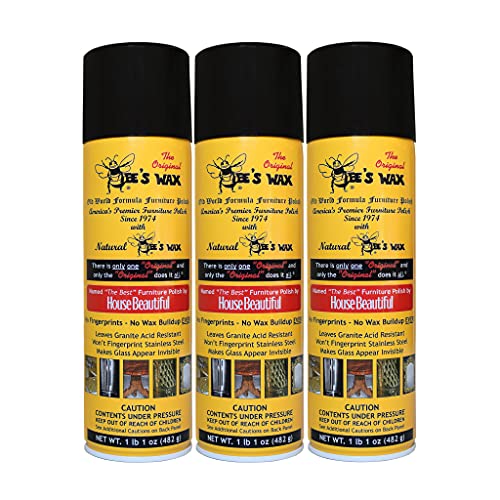
- Natural options, such as beeswax or oils, often suffice for maintaining softness without damaging the texture.
Application Process
- Test the conditioner on a small, inconspicuous area first.
- Apply a small amount of the product onto a clean, soft cloth.
- Gently rub the conditioner into the surface using circular motions, ensuring even coverage.
- Allow the conditioner to absorb for the time recommended by the manufacturer.
- Buff the surface lightly with another clean cloth to remove excess product and restore a shine.
Regular conditioning, about every 6-12 months, keeps the material supple and extends its lifespan while enhancing its overall appearance.
Preventing Future Odor on Leather Pieces
Regular dusting with a soft, dry cloth helps maintain the pristine condition of the surface and prevent particles from embedding themselves. Creating a routine cleaning schedule minimizes the risk of unwanted aromas developing over time.
Utilize Air Purifiers
Incorporating an air purifier equipped with activated carbon filters is beneficial. These devices efficiently capture airborne pollutants, ensuring a fresher environment. This addition effectively reduces the risk of lingering scents settling in fabrics.
Avoid Smoking Indoors
Elimination of indoor tobacco use is pivotal. If the habit exists, designating specific outdoor areas can significantly protect upholstery. Encouraging guests to adhere to these guidelines contributes to preserving your piece’s integrity and aroma.
Investing in protective sprays designed for delicate materials offers an additional layer of defense. Regularly conditioning surfaces keeps them supple and limits their ability to absorb unwanted fragrances, ensuring long-lasting freshness.