
 Caleb Turner
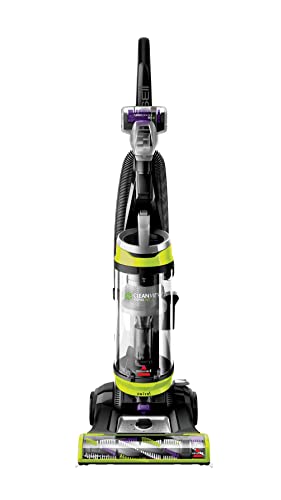
Use a rubber glove to easily gather pet strands. Just put it on, dampen it slightly, and swipe across the surface. The static electricity attracts the fibers, gathering them effortlessly.
An adhesive lint roller is another handy tool. Roll it over couches and chairs; the sticky sheets pull in even the finest fibers without hassle. Replace sheets as needed for maximum efficiency.

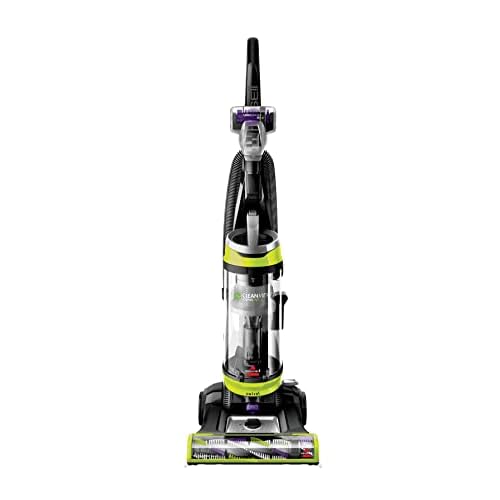

Consider a vacuum cleaner with a pet hair attachment. Many models come equipped with specialized nozzles designed to tackle stubborn strands. Ensure the vacuum is suitable for your type of upholstery to achieve the best results.
For delicate materials, a fabric brush works wonders. Gently brush in one direction to dislodge the fibers without damaging the fabric. Follow up with a lint roller for a thorough clean.
A damp cloth is perfect for wooden or leather surfaces. Wipe gently; moisture helps lift loose strands without scratching the finish. Always dry the surface afterward to prevent any water damage.
Strategies for Tackling Canine Fur on Upholstery
I often rely on a rubber glove technique. Simply put on a slightly dampened rubber glove and run your hand over the upholstery. The static electricity creates a pull that attracts the fur, making it clump together for easy pickup.
Utilizing Sticky Rollers
Sticky lint rollers are immensely helpful. A few quick passes across the surface with the sticky sheets capture fine particles effectively. Keep extra sheets nearby for larger tasks.
Fabric Softener Solution
A simple mix of water and fabric softener, in a spray bottle, proves beneficial. Lightly mist the area and then wipe with a microfiber cloth. This method loosens the debris, simplifying the cleanup. Ensure to test on a small, inconspicuous area first.
Choosing the Right Tools for Pet Hair Removal
Investing in a high-quality vacuum cleaner equipped with a pet hair attachment is my first recommendation. Look for models specifically designed to handle stubborn pet fibers on various surfaces. A vacuum with strong suction power ensures efficient pick-up.
Additionally, rubber gloves serve as an excellent low-cost option. I often dampen them slightly and run my hands over the upholstery. The static electricity generated helps collect the fibers effortlessly.
Microfiber cloths and electrostatic dusters work wonders as well. These materials attract and trap fur, making them ideal for use on delicate surfaces without causing damage.
For those tricky nooks and crannies, a lint roller is invaluable. I keep one handy for quick touch-ups, as the sticky sheets grab every stray strand with ease.
Consider investing in a specialized pet hair removal brush. These tools typically feature bristles that are designed to reach deep within the furniture fibers, effectively dislodging embedded debris.
Finally, I recommend a high-quality rubber squeegee for larger areas. Its unique shape allows me to gather up fur and dust in a swift motion, saving time and effort. Selecting the right tools makes all the difference in maintaining a clean space while sharing it with my furry companions.
Using Lint Rollers for Quick Hair Clean-Up
For an instant solution to pesky fur on surfaces, I rely on lint rollers. They’re compact and handy, making them my go-to for quick clean-ups.
Steps to Use a Lint Roller
- Position the roller above the area with unwanted strands.
- Press down firmly and roll it across the surface in one direction.
- Lift and peel off the used layer of adhesive sheet to expose a fresh one.
- Continue the process until the area appears clean.
Tips for Maximum Efficiency
- Use the roller on various textures, such as fabric, velvet, and upholstery.
- For larger surfaces, opt for a roller with a wider adhesive sheet.
- Store in an easily accessible location to encourage frequent use.
- Consider a refillable lint roller option to reduce waste and save money.
Incorporating lint rollers into my cleaning routine has greatly simplified maintaining a fur-free environment. Their portability and effectiveness make them an indispensable tool.
Vacuum Cleaner Techniques for Short Pet Fur
Using a vacuum cleaner specifically designed for pet owners is a game-changer. Choose a model with strong suction power and specialized attachments like a pet hair brush. These tools can effectively lift stubborn strands embedded in upholstery.
Regular Maintenance
Regularly clean the vacuum’s filters and brushes. Clogged filters reduce suction efficiency and can lead to less effective cleaning. Replace worn-out parts promptly to maintain optimal performance.
Vacuuming Strategy
Adopt a systematic approach for best results. Begin by vacuuming in one direction across the fabric. Then, change to a perpendicular direction to capture any remaining strands. For corners and crevices, utilize small tools or hose attachments, targeting those areas meticulously.
Consider investing in a vacuum equipped with a HEPA filter. This not only traps finer particles but also makes the air cleaner, benefiting both you and your furry companion. Lastly, ensuring that your vacuum cleaner is lightweight and easy to maneuver will facilitate frequent clean-ups, which is crucial in managing excess fuzz.
DIY Solutions: Creating Homemade Pet Hair Removers
Utilizing common household items can simplify tackling unwanted pet fibers. Here are several methods I find effective:
Rubber Glove Technique
Don a rubber glove, slightly dampen it, and run your hand across the surface. The static electricity generated attracts the fibers, making them clump for easy pickup.
Fabric Softener Solution
Create a mixture of 1 part fabric softener and 3 parts water in a spray bottle. Lightly mist the area, wait a moment, then wipe with a microfiber cloth to gather fibers with less effort.
Old Sock Trick
Wrap a clean, dry sock over your hand. This acts like an electrostatic cloth, allowing easy gathering of embedded strands as you wipe surfaces.
Adhesive Tape Method
- Wrap a piece of duct tape or packing tape around your hand (sticky side out).
- Press it against affected areas to lift stubborn strands effortlessly.
Balloon Static Method
Inflate a balloon and rub it against your hair or a wool sweater to generate static. Then, move the balloon close to the surface to attract and remove stray fibers.
Vacuum with Attachment
Create a DIY attachment using a sock over the vacuum hose. This adds extra friction, enhancing collection efficiency without damaging your items.
Each of these strategies offers a simple, cost-effective way to keep your living space tidy and pet-friendly.
Fabric-Specific Methods for Different Upholstery Types
For leather materials, a damp microfiber cloth effectively collects debris. Gently wipe the surface to avoid scratches. For deeper seating crevices, a soft-bristled brush can help lift embedded particles.
Suede and Velvet Care
On suede, use a suede brush in a gentle, circular motion. This technique lifts fibers, making it easier to catch trapped debris. For velvet, a sticky tape can attract fine fuzz efficiently without damaging the texture.
Canvas and Synthetic Fabrics
With canvas, a handheld vacuum equipped with a brush attachment works best. After vacuuming, dampen a sponge and wipe down the surface to gather remaining debris. Synthetic fabrics respond well to a rubber glove–rub the surface with a gloved hand, and watch as particles cling to it.
| Upholstery Type | Recommended Method |
|---|---|
| Leather | Damp microfiber cloth |
| Suede | Suede brush in circular motion |
| Velvet | Sticky tape for fine fuzz |
| Canvas | Handheld vacuum with brush attachment |
| Synthetic | Rubber glove method |
Preventative Measures to Minimize Pet Fur Accumulation
Regular grooming sessions are key. I brush my pet weekly to catch loose strands before they make their way onto upholstery. By maintaining a consistent grooming routine, I significantly decrease the amount of fluff accumulating in my living areas.
Using pet-friendly protective covers is another effective tactic. These slipcovers shield my chairs and sofas from direct contact, making it simpler to toss them in the wash or vacuum them regularly. Choosing fabrics like leather or synthetic fibers can also help reduce fur cling due to their smoother textures.
Establishing “Pet-Free” Zones
I designate specific areas in my home as pet-free, such as bedrooms or dining spaces. This provides a sanctuary that remains fur-free, requiring less upkeep. Training my pet to respect these boundaries reinforces this habit.
Controlling Environment
Maintaining a clean environment is essential. I ensure consistent cleaning routines, including dusting and vacuuming, to remove any lingering particles. Air purifiers can also minimize airborne fur, reducing its presence around the home. Additionally, reducing humidity levels helps avoid extra shedding, which is particularly useful during warmer months.
Regular Cleaning Routines for Long-Term Hair Management
Establishing a consistent cleaning schedule is fundamental for minimizing fur issues in the living space. I recommend dedicating a specific day each week to thorough vacuuming and dusting, which significantly reduces the buildup of pet remnants. Daily quick clean-ups using a lint roller can be beneficial for maintaining furniture surfaces.
Incorporating Tools Into Routine
I find that integrating tools like a rubber glove or damp sponge during regular cleaning helps capture finer strands clinging to various materials. It’s practical to keep these tools accessible to encourage frequent use. Regularly emptying and maintaining vacuum bags or canisters optimizes their efficiency and longevity.
Adjusting According to Seasons
Seasonal shedding patterns may require adjusting my cleaning routine. During peak shedding periods, increasing the frequency of deep cleaning sessions is crucial. I also make it a point to wash the pet’s bedding and any blankets they frequently use to minimize stray particles in my home environment.


