
 Caleb Turner
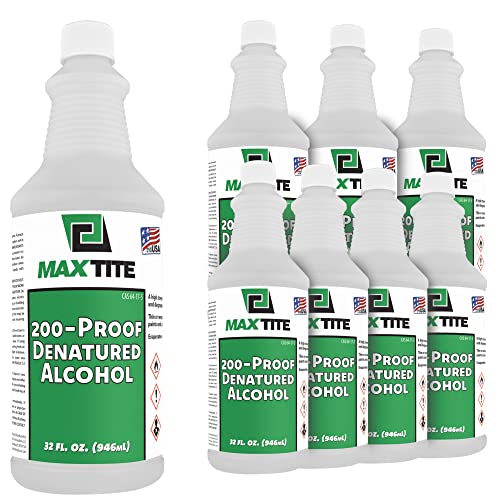
Begin with a gentle touch using a mixture of denatured alcohol and water, combined in equal parts. Dampen a clean cloth with this solution and apply it to a small, inconspicuous area of the vintage piece. It’s crucial to test the response of the surface before proceeding further.
As the moisture penetrates, watch for the coating to soften. Using a soft scraper or a plastic putty knife, carefully lift the softened layer without applying excessive pressure. Rinse the cloth frequently to avoid reapplying old residue back onto the surface.
After the bulk of the coating has been lifted, move on to a fine-grade steel wool, lightly dampened in the same alcohol-water blend. This step helps achieve a smooth finish without damaging the underlying wood. Always work with the grain, preventing scratches and ensuring a harmonious surface.
Finish the process with a thorough wipe using a clean, dry cloth to remove any remaining moisture. For added protection, consider applying a suitable oil or wax to restore shine and nourish the wood. This method not only preserves the integrity of your vintage companion but also enhances its natural beauty.


Identifying Shellac on Antique Surfaces
To identify this material on various surfaces, observe the finish closely. A visual inspection is crucial; look for a warm, amber hue that can appear glossy or slightly satin-like. Testing with a little alcohol can help confirm its presence–dabbing a small amount onto an inconspicuous area should start to dissolve the finish, revealing the underlying surface.
Signs to Look For
- Warm color tones, typically ranging from pale yellow to deep amber.
- A smooth, slightly sticky texture that may feel tacky under your fingers.
- Presence of a natural smell reminiscent of resin or varnish, often pleasant.
- Finish that shows wear patterns, which could strengthen the charm of your piece.
Visual Indicators
- Check for fine scratches or swirl marks inconsistent with modern finishes.
- Inspect corners and edges; often, age reveals subtle wear, characteristic of older applications.
- Look carefully for drips or runs, as older layers may have been applied less uniformly than contemporary finishes.
Properties such as temperature sensitivity are notable. Exposure to heat can soften the coating, altering its surface appearance and potentially causing issues with cleaning. Proceed cautiously to avoid damage, especially when using heat sources during restoration efforts.
Choosing the Right Tools for Shellac Removal
I recommend gathering the following tools for an effective stripping process:
- Plastic Scrapers: These will help to gently lift the finish without scratching the underlying wood. Avoid metal scrapers, as they can damage the surface.
- Soft Rags: Use lint-free cloths to apply solvents and clean the area throughout the project, preventing debris from affecting the finish.
- Paint Stripper: Look for a solvent-based stripper specifically formulated to tackle shellac. Test it on a small, inconspicuous area first.
- Fine Steel Wool (#0000 grade): This can be effective forworking in tight areas and cleaning up once the majority of the finish is gone.
- Brushes: Choose natural bristle brushes for applying solvents. They should be soft enough not to scratch but stiff enough to distribute the liquid evenly.
Make certain all materials are in good condition and suited for the task. It’s beneficial to have a well-ventilated area to work in, as chemical fumes can be potent.
Having protective gear is important. Use gloves to shield your hands, and goggles to protect your eyes from splashes. A mask is advisable for respiratory protection against any harmful vapors.
Organizing tools and materials beforehand will streamline the process, making it simpler and more efficient. Keep your workspace tidy to avoid accidents or mix-ups during the procedure.
Preparing the Workspace for Safe Removal
To ensure a secure environment while handling the task, clear the area of any unnecessary items. This minimizes the risk of accidents and allows for easy access to your materials. Use a well-ventilated space to avoid inhaling any harmful fumes from the chemicals involved. Open windows and utilize fans to promote air circulation.
Protective Gear and Surface Protection
Wearing appropriate protective gear is crucial; gloves, goggles, and masks should be worn to shield against exposure. Set up a drop cloth or newspaper on the floor and work surfaces to catch drips and debris. This prevents damage to surrounding areas and simplifies cleanup.
Organizing Tools and Supplies
Arrange all necessary tools and supplies within arm’s reach. This includes solvents, applicators, and containers for waste material. Keeping everything organized cuts down on time spent searching for items and helps maintain focus on the task. Safety should remain the top priority throughout the process.
Step-by-step process for dissolving shellac
Prepare denatured alcohol, as it acts effectively in loosening the finish layer. Test a small inconspicuous area to gauge how the wood reacts. Use a cotton pad or soft cloth soaked in alcohol, then gently apply it to the surface.
Application Techniques
Start with circular motions for even distribution, allowing the alcohol to soak for a few moments. Keep checking the finish’s condition to ensure the wood doesn’t absorb too much moisture.
Scraping and Cleaning
After the alcohol has worked its magic, utilize a plastic scraper to lift the softened finish. Always scrape in the direction of the grain to minimize damage. Wipe the surface with a clean, dry cloth to remove any remnants.
| Material | Recommended Alcohol Ratio |
|---|---|
| Softwood | 100% Denatured Alcohol |
| Hardwood | 1 part Water, 3 parts Denatured Alcohol |
Repeat the process as necessary, ensuring the workspace remains well-ventilated and inspect regularly to manage progress. After achieving a clean surface, finish with a gentle clean using water and a soft cloth to ensure no alcohol residue remains.
Cleaning and Restoring the Wood After Shellac Removal
After successfully eliminating the previous finish, I prioritize the cleaning process to prepare the surface for restoration. First, I mix a solution of warm water and a few drops of mild dish soap. Using a soft cloth, I gently wipe the wood to remove any residual paint stripper or debris. It’s crucial to avoid excessive moisture, as it can warp the wood. I make sure to wring out the cloth well.
Once cleaned, I assess the wood’s condition. If there are scratches or dents, I employ a wood filler that matches the original color. Carefully filling these imperfections restores the surface’s integrity. After the filler dries, I lightly sand the area using fine-grit sandpaper, ensuring a seamless finish.
Polishing the Surface
To bring back the luster of the wood, I apply a high-quality wood polish or a natural beeswax. I always follow the product instructions for application, using a clean cloth to buff the finish. This step not only enhances the visual appeal but also offers some protection to the wood.
Final Touches
I take a moment to inspect the entire piece, ensuring a uniform appearance. If I notice any dull spots, I reapply the polish selectively. Completing this process allows the furniture to be ready for use while maintaining its historical charm.
Using Gentle Solvents to Avoid Damaging Furniture
I prefer starting my project with denatured alcohol, as it acts effectively without risking the integrity of the wood. It’s crucial to apply the solvent sparingly with a soft cloth to prevent any saturation, which can lead to damage.
I also recommend test spots on hidden surfaces before applying the solvent widely. This ensures compatibility with the finish and minimizes unexpected reactions. The cloth should be damp, not soaking, and working in sections allows for better control.
Another reliable option is mineral spirits. This solvent is milder yet effective, especially on light layers of the coating. Applying it can lift the material without harsh effects on the wood grain. Using a fine-grade steel wool in conjunction with this will help in gently buffing away any residue.
Pushing for mechanical methods like scrapers can lead to gouges, so I always stick to solvents that play nice with old finishes. Maintaining a gentle approach ensures the underlying wood remains intact and unharmed. Remember to ventilate the area adequately, as even gentle products can emit strong fumes.
Final cleaning after solvent application is crucial. I use warm, soapy water with a soft cloth for a complete clean-up, ensuring all residues are removed before moving to the restoration stage. This thoroughness maintains the beauty and value of the piece throughout the process.
Preventing Future Shellac Build-Up on Antiques
To mitigate future accumulation of protective coatings on vintage pieces, I always opt for a gentle cleaning routine. Using only a soft, lint-free cloth for dusting helps maintain the finish without causing wear. Regular maintenance is key; I recommend wiping the surfaces with a damp cloth (not soaked) to remove any grime that could lead to buildup over time.
I also choose specific products with great care. Using pH-balanced cleaners tailored for wood surfaces ensures that I do not inadvertently strip existing finishes or introduce harsh chemicals. Avoid all-in-one polishes that often contain waxes and silicones, as these can harden and complicate future maintenance.
When planning any restoration or upkeep, I take note of environmental factors. Maintaining consistent humidity levels and avoiding direct sunlight helps preserve the integrity of the wood and finish. Placing furniture away from heating sources prevents drying and potential cracking.
Proper storage methods are essential as well. For pieces stored away, I utilize breathable covers rather than plastic, which can trap moisture. This step significantly reduces the risk of developing unwanted layers on surfaces.
Lastly, I apply new finishes sparingly. If I decide to reapply a protective layer, I always select options designed for compatibility with existing coatings. This practice not only enhances the appearance but also minimizes the likelihood of buildup.


