Caleb Turner


Using a walnut or pecan, I’ve found that gently rubbing the nut over the blemish can fill in small imperfections effectively. The natural oils in the nut help blend the area with the surrounding surface, providing a subtle refresh.
Another technique involves combining equal parts of vinegar and olive oil. Applying this mixture with a soft cloth helps to mask marks and enhance the overall finish. I usually leave it for a few minutes before buffing it out with a clean, dry cloth for the best results.


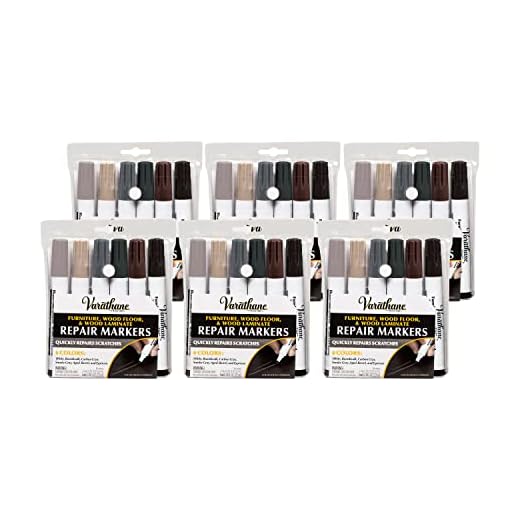
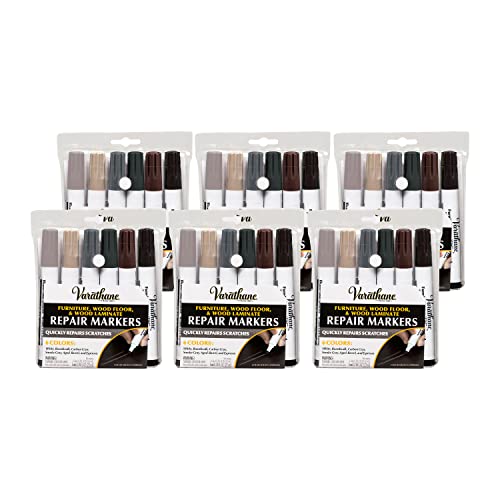
If the damage is a bit deeper, a stain marker that matches the color of your piece can be a real lifesaver. After applying the marker, I let it dry thoroughly before sealing with a clear coat to protect the surface. This step is crucial for maintaining the look I’m aiming for.
For deeper gouges, I rely on wood filler. After applying it carefully and allowing it to dry, a light sanding brings the surface back to its original smoothness. A dab of matching stain follows for an even finish.
Eliminating Marks from Your Furniture
To tackle minor imperfections effectively, I recommend using a walnut. Rubbing the meat of the nut directly onto the affected area hydrates the wood and helps the color blend seamlessly. After applying, gently buff with a soft cloth for a polished finish.
Utilizing Furniture Repair Kits
If the marks are more noticeable, a repair kit designed for wood finishes can be a game-changer. These kits often include markers, wax fill sticks, and touch-up paint that match common colors. Carefully fill any dents or blemishes with the appropriate products for a uniform appearance.
Natural DIY Solutions
A mixture of olive oil and vinegar can also provide relief. Combining equal parts creates a solution that not only nourishes the surface but can also mask lighter blemishes. Apply with a soft, lint-free cloth, and polish to achieve a smooth texture.
Experimenting with these methods will help restore your items, maintaining their charm and usability.
Identify the Type of Scratch on Your Furniture
Begin by examining the imperfection closely. Different textures and depths require various approaches. Determine whether the mark is superficial, deep, or a scuff. Each category informs the most suitable solution.
| Type of Imperfection | Characteristics | Suggested Approach |
|---|---|---|
| Superficial | Light, surface-level marks that do not penetrate the finish. | Use a wood polish or a gentle cleaning agent to buff the area. |
| Moderate | Visible lines that slightly disrupt the surface but don’t expose raw material. | Consider applying a wood filler or crayon matching the hue to blend the area. |
| Deep | Clearly defined grooves or areas where the underlying material is shown. | Use sanding techniques carefully followed by refinishing products to restore appearance. |
| Scuffs | Marks left from friction against other surfaces, often black or dark. | Try a damp cloth with mild soap, or use an eraser for rubber-like scuffs. |
Identifying the type allows for targeted action and better restoration outcomes. Pay close attention to the size, depth, and color variations of the damage for optimal assessment.
Gather Necessary Materials for Scratch Repair
To begin the repair process, I gather several key items. First, I use a soft cloth made of microfiber or cotton. This helps in applying products without damaging the surface.
Next, I ensure I have a suitable wood filler or marker that matches the furniture color. This is crucial for blending the repair seamlessly with the original finish.
A fine-grit sandpaper comes in handy as well, allowing me to smooth out the area before applying any products. I select a grit that is gentle enough not to cause further damage.
I also keep a small bowl of water nearby, which I need to dampen the cloth for cleaning any excess filler or product used during the process.
Lastly, I usually have a clear coat or polish ready to apply after repairs, ensuring the surface looks fresh and protected.
Test Repairs on a Hidden Area First
Before applying any restoration techniques on visible surfaces, I always find it prudent to conduct a test repair in a concealed spot. This allows me to observe the outcome without risking noticeable damage. Here’s how I typically approach this step:
Steps for Testing
- Identify a discreet section of the item where a similar finish or material is present.
- Clean the area gently to ensure there’s no dust or debris that could affect the results.
- Apply the chosen repair method, whether it’s a wax stick, wood filler, or similar product.
- Allow the area to dry completely before assessing the appearance.
After the test, I evaluate the following:
- Color match: Does the repair blend seamlessly with the original finish?
- Texture: Is there a difference in feel compared to the surrounding material?
- Durability: Does the repair hold up when touched or lightly scraped?
If the outcome meets my expectations, I proceed to more visible areas with confidence. However, if results fall short, I consider alternative approaches or products to achieve better harmony.
Using Wax Crayons for Minor Imperfections
For light imperfections on surfaces, I turn to wax crayons, which can seamlessly blend the defect with the surrounding area. To begin, select a crayon that closely matches the color of your item. Gather a few shades to ensure a perfect match.
Start by cleaning the area with a soft cloth to remove any dust or debris. Then, gently rub the crayon over the blemish, ensuring that you cover it adequately. I prefer to use circular motions for better blending.
After applying, take a clean cloth and buff the area lightly. This helps to smooth out any excess wax and create an even finish. If necessary, repeat the application until the flaw becomes less visible. It’s a straightforward method that often yields satisfactory results without the need for extensive repair kits.
Always keep in mind that less is more; a little wax goes a long way. If the outcome is not satisfactory, you can wipe it off with a damp cloth and try again.
Using Wood Stain Markers Effectively
Choose the right wood stain marker that matches the hue of your piece for natural-looking results. Pay close attention to the color on the marker cap and when testing it on a discrete spot.
For best results, follow these steps:
- Clean the area thoroughly to remove dust and dirt, ensuring a smooth application.
- Shake the marker well before use to ensure the stain is evenly mixed.
- Apply the stain carefully, using light strokes to build up the color gradually. Aim for even coverage to avoid dark patches.
- Let it dry completely before assessing if another layer is necessary for adequate blending.
- For any excess, use a soft cloth lightly dampened with water or a suitable solvent to gently buff the area.
- After achieving the desired look, consider applying a protective finish, like a clear wax or sealant, to enhance durability.
Keep the tip of the marker clean and replace the cap securely after each use to prolong its lifespan. Store it horizontally to prevent drying out.
Practice patience and allow the marker to dry fully between applications. Multiple thin layers are more effective than a single thick one.
Application of Furniture Polish for Surface Imperfections
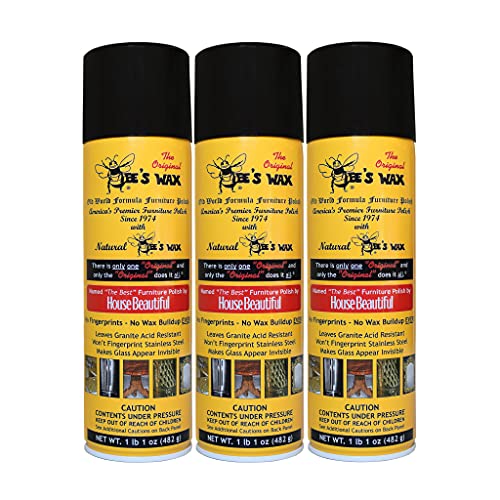
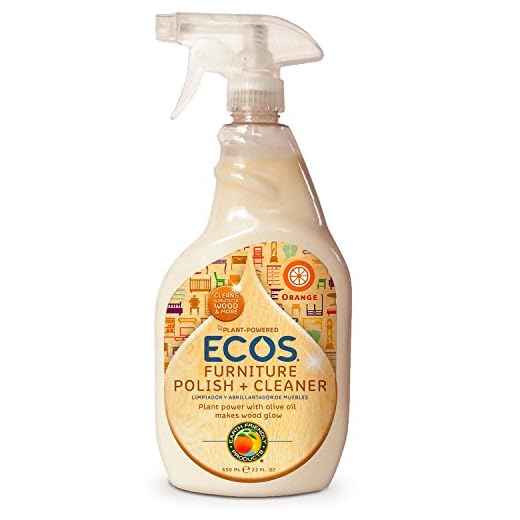
To tackle minor blemishes, I use a quality furniture polish to enhance the visual appeal. I select a polish that matches the finish of the item. After shaking the canister well, I spray a small amount directly onto a soft cloth instead of applying it directly onto the surface.
I then gently rub the cloth over the affected area in circular motions. This technique helps to blend the polish into the natural finish, minimizing the appearance of any imperfections. For deeper imperfections, a second application can be beneficial.
After polishing, I allow the surface to dry. Then, I buff it lightly with a clean, dry cloth to achieve a glossy finish. This final touch elevates the overall appearance and restores the luster.
Regular maintenance with polish not only makes these flaws less noticeable but also provides an additional layer of protection against future wear. Keeping the surface clean before application ensures optimal results.
Employing DIY Solutions with Olive Oil and Vinegar
For a straightforward and natural approach to enhance the appearance of blemishes on your surface, consider a mixture of olive oil and vinegar. This combination not only conditions but also provides a certain sheen, making imperfections less noticeable.
Steps to Prepare the Solution
- Mix one part olive oil with one part white vinegar in a bowl.
- Use a soft cloth to dampen one end of the cloth with the solution.
Application Process
- Gently rub the cloth over the affected area in a circular motion.
- Allow the solution to sit for a few minutes, then buff with a clean, dry cloth to enhance the shine.
- Inspect the area to determine whether additional applications are necessary.
This technique not only minimizes the visibility of marks but also nurtures the material, keeping it healthy and looking good over time. Always remember to test on an inconspicuous spot first to ensure compatibility.
Consider the Use of Fine Sandpaper for Deeper Scratches
If the mark is significant, fine sandpaper can be a valuable tool to restore the surface. Choose a fine grit, ideally between 320 and 400, to minimize damage while smoothing the area.
Steps to Follow
Begin by gently sanding the scratch, always moving in the direction of the grain. This technique ensures a more natural finish and blends the repair with the rest of the area. Avoid excessive pressure; the goal is to level the surface, not to remove too much material.
Final Touches
After sanding the affected area, wipe it clean to remove any dust. It’s advisable to apply a suitable touch-up pen or furniture polish afterward to restore lost color. This final step will help achieve a seamless appearance, hiding any traces of the work completed.
When to Seek Professional Help for Severe Damage
If the blemish has penetrated the wood or has resulted in significant discoloration, seeking the expertise of a professional is advisable. This type of deterioration often requires specialized techniques and materials that are not easily accessible to the average homeowner.
Signs Indicating the Need for Expertise
Visible dents, deep gouges, or extensive damage resulting from water exposure may not respond to standard remedial methods. If the surface veneer is peeling or the structure feels unstable, it’s crucial to consult a specialist. Ignoring severe issues can lead to costlier repairs down the line.
Cost-Effectiveness of Professional Repair
In cases where DIY attempts could exacerbate the situation or if extensive restoration is needed, investing in professional care is often more economical. An experienced technician will assess the damage thoroughly, providing tailored solutions that save time and prevent further complications.
FAQ:
What are some effective ways to remove scratches from my IKEA furniture?
Removing scratches from IKEA furniture can often be accomplished using several straightforward methods. One commonly used technique involves using a wood scratch repair marker or crayon that matches your furniture’s color. Simply apply the marker over the scratch, filling it in to blend with the surrounding area. For deeper scratches, you might try a mixture of olive oil and vinegar, dabbing it onto the scratch with a soft cloth and allowing it to sit for a few minutes before wiping it away. Another option is using a furniture polish that contains wax, which can help fill in small scratches and make the surface appear smoother.
Are there any household items that can help in fixing scratches on IKEA furniture?
Yes, several common household items can assist in fixing scratches on your IKEA furniture. For instance, a walnut can be a surprising yet effective solution. Rubbing the meat of a walnut over the scratch can help fill it in due to the natural oils and pigments in the nut. Additionally, a paste made from baking soda and water can be applied to scratches; just mix them to form a paste, gently rub it onto the scratch, and wipe it clean after a few minutes. These methods are both cost-effective and easy to try.
Is it safe to use furniture polish on IKEA furniture to cover up scratches?
Using furniture polish on IKEA furniture is typically safe, but it’s crucial to choose a product that is compatible with the material of your furniture. Many IKEA pieces are made of particleboard or fiberboard with a laminate finish, so avoid using any harsh chemicals that might strip the finish. Instead, opt for a gentle furniture polish that contains natural ingredients. Always test a small, inconspicuous area first to ensure there is no adverse reaction.
How do I prevent future scratches on my IKEA furniture?
To prevent future scratches on your IKEA furniture, several precautions can be taken. Using coasters for drinks, mats for hot items, and avoiding dragging objects across the surface can significantly reduce wear and tear. Additionally, consider placing felt pads under items like lamps or decorative pieces to avoid scratches from movement. Regular maintenance, such as cleaning with microfiber cloths, can also keep your furniture looking good and protect its finish.
What should I do if the scratch is too deep to fix myself?
If a scratch is too deep to repair using home remedies, it may be best to consult a professional furniture repair service. They have access to specialized tools and materials that can restore your furniture to its original condition. Alternatively, you could consider refinishing the damaged area or even the entire piece if the damage is extensive. Buying a furniture touch-up kit specifically designed for deep scratches can also be a viable option, as it often includes fillers and finishes that are tailored for specific types of furniture.
What are some effective methods to remove scratches from IKEA furniture?
There are several methods you can try to remove scratches from IKEA furniture, depending on the type of finish and material of your furniture. Here are a few approaches: