
 Caleb Turner
To tackle blemishes on glossy finishes, start with a simple mixture of baking soda and water. Combine equal parts to form a paste, then gently apply it to the affected area using a soft cloth. This natural solution works wonders without damaging the finish. Wipe it off with a damp cloth and see the difference.
For more stubborn marks, consider using a high-quality auto polish. A small amount on a microfiber cloth can help buff out imperfections. Always test on a hidden spot first to ensure compatibility with the surface. After polishing, use a clean, dry cloth to restore the shine.
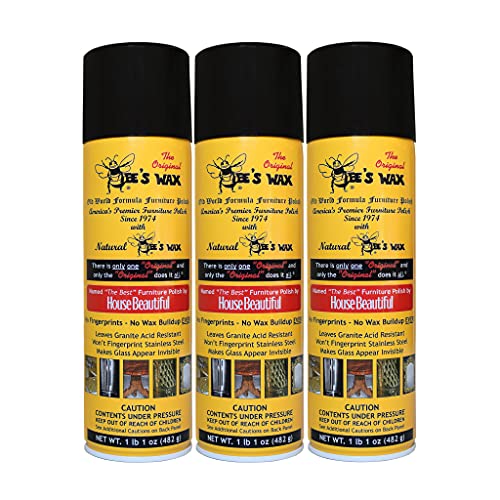
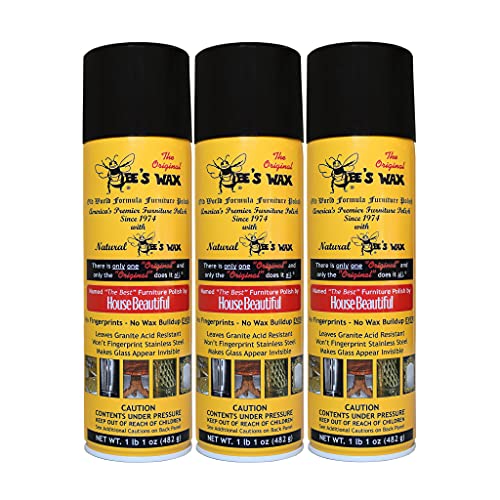
If you’re still seeing marks after polishing, a wax specifically designed for glossy surfaces can seal and protect your item. Apply it in a thin layer and allow it to dry before buffing with a soft cloth. This final touch not only hides any remaining flaws but also adds a layer of protection against future damage.

Tips for Caring for Imperfections on Light-Colored Coatings
I recommend using a specialized touch-up marker designed for light colors. Carefully apply the marker directly onto the affected area, ensuring even coverage. Allow it to dry fully before touching the surface.
Utilizing Wax-Based Solutions
A wax stick can conceal minor blemishes. Select a shade that closely matches your coating. Rub the wax over the imperfection, then buff the area lightly with a soft cloth for a seamless finish.
Trying Heat and Pressure Techniques
An alternative method involves using heat. Place a damp cloth over the area and apply a warm iron briefly. This can help the coating expand and allow for a natural blending of the surface. Always test this method in an inconspicuous spot first.
Identifying Different Types of Imperfections on Coated Surfaces
I categorize the imperfections that commonly appear on coated surfaces into three primary groups: light abrasions, deep grooves, and discolorations. Each type requires a tailored approach for effective handling.
| Type of Imperfection | Description | Visual Characteristics |
|---|---|---|
| Light Abrasions | Surface-level damage often caused by everyday use. These can be smudges or minor scuffs. | Typically appear as faint lines or dull patches; often reflect light differently than surrounding areas. |
| Deep Grooves | More significant disruptions penetrating the coating, usually resulting from sharp objects or heavy impact. | Visible as prominent lines or indentations; may expose underlying materials. |
| Discolorations | Color changes caused by prolonged exposure to sunlight, heat, or chemical agents. | Affected areas may take on a yellowed or darkened hue compared to the original finish. |
Identifying these categories allows for the selection of the most suitable method for restoring appearance. For instance, light abrasions may benefit from polishing, whereas deep grooves might require a more intensive repair effort. Color changes necessitate specific treatments tailored to the type of discoloration.
Gathering Necessary Tools and Materials for Scratch Removal
I recommend assembling the following items before tackling the task: a soft microfiber cloth for gentle cleaning, a fine-grit sanding sponge or pad to smooth out imperfections, and a touch-up pen matching the lacquer. Ensure you also have a clean, soft brush for dust removal and a good-quality wood polish to restore shine.
A small bowl of warm water mixed with mild soap can help remove surface dirt. Consider using a non-abrasive cleaner specifically designed for lacquered surfaces. In addition, preparing some clear lacquer spray can be beneficial for adding a layer of protection once the area has been addressed.
Having these tools ready streamlines the process and ensures I achieve the best results. Remember to work in a well-ventilated area and use gloves to protect my hands while handling cleaning agents or lacquers.
Cleaning the Surface Before Repairing Imperfections
For optimal results in addressing surface flaws, it’s crucial to ensure the area is clean. Begin by gathering cleaning supplies: a soft microfiber cloth, mild soap, and water. Avoid using abrasive materials that can exacerbate the situation.
Steps for Effective Cleaning
- Mix a few drops of mild soap with warm water in a bowl.
- Dampen the microfiber cloth with the soapy water, ensuring it is not soaking wet.
- Gently wipe the area around the defect, removing any dirt or dust. Use circular motions to avoid streaks.
- Rinse the cloth with clean water, wring it out, and go over the cleaned area again to eliminate any soap residue.
- Pat dry the surface with a separate clean, dry microfiber cloth to prevent water damage.
After cleaning, inspect the surface closely. This ensures there are no remaining contaminants that could interfere with repair products.
Tips for Optimal Surface Preparation
- Always test any cleaning solution on an inconspicuous area first to check for adverse reactions.
- If there are sticky residues, consider using a small amount of rubbing alcohol on a cloth.
- Allow the surface to dry completely before proceeding with the restoration process.
Following these steps ensures the area is primed for effective restoration, enhancing the outcome significantly.
Using White Wax Crayon to Fill in Minor Imperfections
I recommend selecting a white wax crayon that closely matches the hue of your glossy surface. After ensuring the area is clean and dry, gently rub the crayon over the flawed area. Apply light pressure and ensure an even distribution of wax, filling the imperfection effectively.
Blending and Smoothing
Once the crayon is applied, I use a soft cloth or my fingertip to smooth the wax into the surroundings. This helps create a seamless look, making the imperfection less noticeable. If needed, I repeat the process until I achieve the desired camouflage effect.
Final Touches
To set the wax and add some shine, I lightly buff the area with a clean, dry cloth. This not only enhances the appearance but also helps maintain the finish of the surrounding surface. Regular checks and touch-ups will keep the area looking fresh over time.
Applying a Touch-Up Marker for Deeper Marks
Choose a color-matching touch-up marker specifically designed for high-gloss finishes. I find it beneficial to hold the marker vertically to avoid excess ink flow. Gently shake it to mix the contents before use.
Start with a small application on a paper towel or cloth until the ink flows evenly. Apply the marker directly to the affected area using light strokes, ensuring I stay within the edges of the dent. I avoid applying too much pressure, allowing the ink to fill the crevice without causing additional damage.
Allow the touch-up to dry for a few minutes. For a smoother finish, I lightly buff the area with a soft, lint-free cloth in a circular motion. This helps blend the newly applied surface with the surrounding area, enhancing the overall appearance.
If the color appears a bit off after drying, I can repeat the process cautiously until I achieve the desired blend. Regular checks during the application help maintain control and avoid over-saturation.
Lastly, once satisfied with the result, I recommend sealing the area with a clear coat spray to protect the touched-up section from future wear and tear. This additional step preserves the finish and maintains the piece’s aesthetic appeal.
Polishing After Scratch Repair
Prior to polishing, wait until all filling agents or touch-up solutions have completely dried. This maximizes adhesion, allowing for a more uniform surface. Select a high-quality polish suitable for shiny finishes, as not all products will restore the shine adequately.
Application Technique
Apply a small amount of polish onto a soft, lint-free cloth. Use a circular motion to evenly distribute the product. It’s easy to underestimate the amount needed; start with a minimal quantity and add more if necessary. Ensure that the entire area is covered, blending the repaired section with the surrounding surface. If a buffer is available, using it at a low speed can enhance the finish.
Inspecting the Finish
After polishing, inspect the area under various lighting conditions to ensure an even sheen. If there are discrepancies, additional polishing may be required. For optimal results, repeat the process until the desired appearance is achieved. Regular maintenance with a gentle cleaner and polish will help preserve the integrity of the surface over time.
Preventive Measures to Protect White Lacquer Furniture
To maintain the pristine appearance of lacquered surfaces, prioritizing preventive steps is crucial. Here are specific strategies I recommend:
Regular Maintenance
- Dust surfaces weekly with a microfiber cloth to prevent dirt buildup.
- Use a gentle, pH-balanced cleaner for occasional deep cleaning.
Strategic Placement
- Avoid direct sunlight exposure, as prolonged UV light can cause fading.
- Keep hot objects away; use coasters or mats under drinks and dishes.
Use of Protective Covers
- Consider using fabric or vinyl covers when not in use, especially on dining tables or desks.
- Employ felt pads under decorative items to prevent marks and abrasions.
Mindful Handling
- Always lift items instead of dragging them across surfaces.
- Educate family members and guests about the fragility of these finishes.
Implementing these suggestions will significantly enhance the longevity of your lacquered pieces.


