Caleb Turner

Mix equal parts of baking soda and water to create a thick paste. Apply this mixture directly onto the affected areas using a soft cloth or sponge. Let it sit for about 30 minutes to penetrate and loosen those unsightly blemishes.
For more stubborn marks, try a solution of white vinegar and lemon juice. Combine these two ingredients in a spray bottle, apply to the spots, and let it sit for approximately 15 minutes before scrubbing gently with a scouring pad. This approach not only helps to lift the discoloration but also adds a fresh scent.
After treating, rinse thoroughly with warm water and dry the surface well to prevent future issues. Regular maintenance using a gentle cleaner can help avoid buildup and preserve the appearance of your patio items.
Identify the Type of Furniture Material
I always begin by determining the material composition of the items on my patio. Different surfaces react uniquely to cleaning solutions and techniques. Here’s a breakdown of common materials and my approach to each:
Metal
For aluminum or wrought iron, I use a gentle scrubbing pad along with a specific cleaner designed for metals. Caution is crucial; harsh abrasives can create scratches. Always rinse thoroughly to avoid residues.


Wood
Wood furniture requires a different approach. I rely on a mixture of mild soap and water, applying it gently with a soft cloth. After cleaning, I let it dry completely and inspect for any damage before considering refinishing.
Plastic
Plastic surfaces are more forgiving. I generally opt for a mix of vinegar and water, which effectively lifts any residual marks. I scrub lightly, rinsing well to maintain the material’s integrity.
By understanding the material, I ensure my cleaning methods are safe and effective, prolonging the life of my items while enhancing their appearance.
Gather Necessary Cleaning Supplies
For tackling discoloration on your patio pieces, I ensure I have the following items ready: a pair of gloves to protect my hands, a sturdy scrub brush for vigorous scrubbing, and soft cloths for gentle wiping. Depending on the severity of the marks, I sometimes opt for either white vinegar or a baking soda paste–both are effective at lifting unsightly marks. Additionally, I include a bucket filled with warm water for rinsing and a spray bottle for easily applying solutions.
Optional Ingredients
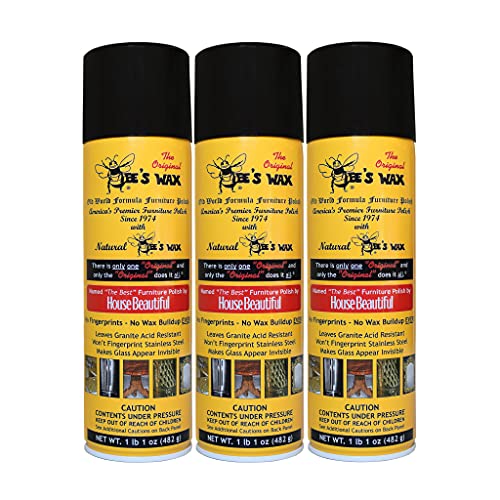
Occasionally, I introduce a commercial cleaner designed specifically for metal or plastic surfaces. If the situation demands more power, I have a rust remover in my toolkit, which I apply strictly according to the manufacturer’s directions. For a finishing touch, I keep a can of protective spray, which helps prevent future issues after the initial clean.
Safety Precautions
Before I begin, I don my gloves and a mask, especially when using stronger chemicals. Ventilation is key, so I move my items to an open area if possible. This preparation ensures a safe and efficient cleaning process.
Prepare the Treatment Solution
Mixing the right concoction is key. I opt for a combination of natural ingredients that are readily available and effective.
- White vinegar and baking soda: Combine equal parts of both. This pairs acidic properties of vinegar with the abrasiveness of baking soda for a powerful effect.
- Lemon juice and salt: Squeeze fresh lemon juice and mix with salt until a paste forms. This acts as a gentle yet effective cleanser.
- Commercial rust cleaner: If preferred, select a product specifically designed for this purpose following instructions on the label for optimal results.
Always test on a small inconspicuous area first to ensure the solution does not harm the surface. For best results, prepare the mixture just before use.
Apply the solution to the rust blemishes
Once the treatment mixture is ready, I carefully dip a clean cloth or sponge into it. I ensure the cloth is saturated but not dripping, as excess liquid might damage the surface beneath.
With gentle pressure, I start applying the solution directly onto the affected areas. I make sure to cover each spot thoroughly, allowing the treatment to penetrate the corrosion. For intricate designs or crevices, I use a soft-bristle brush to ensure that every nook is treated.
Let the solution sit
After application, I allow the mixture to sit for 10 to 15 minutes. This waiting time is crucial, as it gives the solution a chance to break down the discoloration effectively. In cases of severe corrosion, I may leave it for an additional five minutes, but I constantly monitor the surface to prevent any potential damage.
Rinse with water
Once the time is up, I rinse the area with clean water, using a garden hose or a bucket, making sure to remove any residue from the treatment. This step is essential to restore the surface to its original condition, leaving it ready for further maintenance or protective measures.
Scrub the Stains with Appropriate Tools
I choose the right scrubbing tools based on the material of the seating or tables. For metal surfaces, a wire brush works wonders, while a non-abrasive sponge is perfect for plastics and woods. I keep a few different types of brushes handy: stiff-bristled for tougher spots and softer ones for delicate finishes.
Applying a little pressure while scrubbing helps lift the discoloration without damaging the surface. I prefer working in circular motions, ensuring I cover the entire area evenly. When approaching intricate or tight spots, such as joints or decorative details, I use an old toothbrush or a small scrubbing pad. This precision prevents any residual marks or scratches.
After scrubbing, I rinse off the area with clean water to wash away any debris and leftover cleaning solution. It’s important to dry the surface thoroughly to avoid water spots and potential new blemishes.
Rinse and Dry the Furniture Thoroughly
After applying the treatment, it’s crucial to wash the items completely. Using clean water, I rinse off any leftover cleaning solution. This step helps prevent any chemical residue from causing additional damage to the surface.
Follow these steps for effective completion:
- Use a garden hose or a bucket filled with water for rinsing.
- Ensure to reach all areas where the cleaning solution was applied.
- Check that no foamy residue remains, as this can lead to discoloration.
Once rinsed, drying is equally important. I recommend the following methods:
- Wipe down the surfaces with a clean, dry cloth to absorb excess moisture.
- If possible, position the pieces in a sunny spot to air dry, as sunlight helps eliminate any lingering dampness.
- Avoid direct exposure to harsh weather for a day or two after the cleaning process.
Thorough rinsing and drying will ensure the longevity of the items, preserving their appearance and functionality.
Prevent Future Marks on Outdoor Furniture
Regular maintenance is key. I apply a protective sealant specifically designed for the material of the items. This creates a barrier against moisture and harmful elements.
Choosing a covered area for storage during harsh weather conditions, such as rain or snow, significantly reduces the risk of unwanted markings. If indoor storage is not feasible, I cover the pieces with high-quality tarps or furniture covers that allow breathability to prevent moisture buildup.
When selecting new furniture, I opt for materials known for their resistance to corrosion and weather damage. For instance, aluminum or high-density polyethylene are excellent options due to their inherent durability.
Routine inspections are essential. I check for any signs of wear or damage and address them promptly. This proactive approach helps to keep blemishes at bay.
| Tip | Action |
|---|---|
| Protective Sealant | Apply every 6-12 months |
| Storage Location | Keep in a sheltered place during inclement weather |
| Material Choice | Select weather-resistant options |
| Regular Checks | Inspect and maintain monthly |
Keeping everything clean is equally important. I wipe down surfaces regularly to remove dirt and moisture, as these factors can contribute to deterioration over time.