Caleb Turner

Apply a mixture of olive oil and white vinegar in a 1:1 ratio to a soft cloth. Gently rub the affected area in a circular motion until the residue begins to fade. This combination not only cleans but also nourishes the wood, helping to restore its natural luster.
If the initial treatment doesn’t yield results, consider using baking soda. Create a paste with a small amount of water and gently rub it on the stain with your fingertips. The mild abrasive quality of baking soda can help lift the blemish while being gentle on the surface.
Another effective approach involves mayonnaise. Apply a thin layer directly over the imprint and let it sit for a few hours or overnight. Wipe away the excess afterward, and often, you’ll find that the oil in the mayonnaise has worked its magic, diminishing the appearance of the stain.
For deeper imperfections, a fine-grade steel wool can be employed. Use it very sparingly to buff the area, taking care not to damage the surrounding finish. Afterward, apply a suitable wood polish to restore the shine and protect the wood.


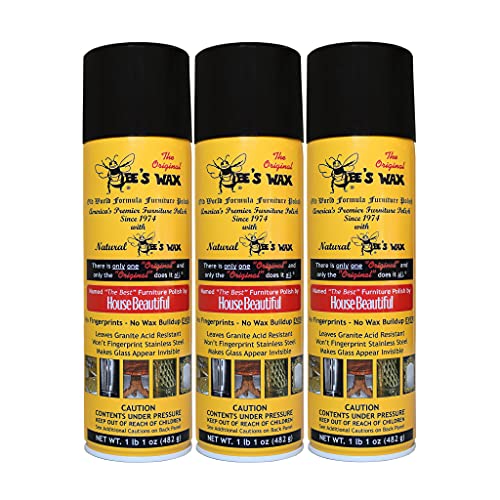
How to Eliminate Water Stains from Treated Surfaces
I recommend using an iron and a soft cloth for this task. First, place the cloth over the blemished area. Set the iron to a low heat without steam and gently press it on the cloth for a few seconds. This technique allows the heat to draw moisture out while preventing direct contact with the surface.
If the staining persists, mix equal parts of olive oil and vinegar. Apply the solution onto a clean cloth and rub it into the affected spot in a circular motion. The oil nourishes the surface, while the vinegar acts as a mild abrasive to lift the discoloration.
For deep-seated imperfections, consider using a commercial wood cleaner. Read the labels carefully to ensure compatibility with your surface type, and follow the instructions provided by the manufacturer.
Another effective method involves using baking soda. Create a paste by mixing it with water, then apply gently to the stained area using a soft cloth. After a few minutes, wipe it clean with a damp cloth and dry thoroughly.
Finally, after addressing the discoloration, applying a suitable wax or polish will restore the sheen and provide a protective layer against future issues.
Identifying Different Types of Ring Marks
Given the variety of substances that can cause blemishes on surfaces, recognizing the specific type of stain is essential for effective treatment. Each type requires a tailored approach for successful clearing. Here are the main categories:
| Type of Stain | Description | Common Causes |
|---|---|---|
| Water Stains | White or light-colored rings, usually from moisture. | Cold drinks, condensation. |
| Heat Stains | White or cloudy marks from hot objects, indicating surface damage. | Hot mugs, dishes, or electronics. |
| Oil Stains | Dark or brownish marks, often greasy and penetrating. | Food spills, oily substances. |
| Wax Stains | Residual marks from candle wax, typically appearing as discolored patches. | Candle drippings. |
Evaluating the Damage
When assessing an imperfection, take a cloth and gently run it over the area. If it feels slick or greasy, it may be an oil-related blemish. For white stains, a closer inspection can often reveal if it’s from moisture or heat based on appearance and texture.
Considering Surface Finish
The type of finish on the piece can also affect how stains appear. Glossy finishes tend to show marks more prominently than matte ones. Understanding the finish can guide choices for restoration as well.
Choosing the Right Cleaning Solution for Wood
Opt for a mixture of equal parts vinegar and olive oil for a natural and effective cleaner. This combination not only cleans but also nourishes wooden surfaces.
Another solution involves using a mild dish soap diluted in warm water. I typically blend one teaspoon of soap with a cup of water, applying it gently with a soft cloth, ensuring the wood is not oversaturated.
Commercial products can provide excellent results as well. Look for pH-balanced cleaners specifically designed for wooden surfaces, avoiding those with harsh chemicals which can damage the finish.
Test any solution in an inconspicuous area before applying it widely. This step ensures compatibility with the finish and prevents any unforeseen damage.
| Solution Type | Ingredients | Application Method |
|---|---|---|
| Natural Cleaner | Vinegar, Olive Oil | Apply with a soft cloth |
| Mild Soap Solution | Dish Soap, Water | Gently wipe with a damp cloth |
| Commercial Product | pH-balanced Cleaner | Follow manufacturer instructions |
Keep in mind that consistency is key when maintaining the appearance of your surfaces. Regular dusting and appropriate cleaning solutions will prolong the beauty of your items.
Using Mayonnaise and Other Household Items
I found that mayonnaise can be surprisingly effective for tackling those unsightly imprints on surfaces. Just apply a small amount onto a soft cloth and gently rub it into the affected area. Allow it to sit for about 15-30 minutes, then wipe off the excess with a clean, dry cloth. This method works due to the oils in the mayonnaise, which can help displace moisture that causes the discoloration.
Other household items also come in handy:
- Olive Oil and Vinegar: Mix equal parts of olive oil and white vinegar. Using a soft cloth, apply the mixture and buff the surface. This not only helps to tackle blemishes but also nourishes the wood.
- Baking Soda: Make a paste with water and baking soda. Use a soft cloth to gently rub it onto the surface. This works well for tougher stains that need a little bit of abrasion.
- Non-Gel Toothpaste: Apply a small amount of non-gel toothpaste on a soft cloth and rub it in a circular motion on the discoloration. Wipe clean with a damp cloth to remove residue.
- Petroleum Jelly: For an overnight treatment, cover the area with a bit of petroleum jelly. Let it sit while you sleep, then clean it off in the morning to see improvements.
- Coconut Oil: Similar to mayonnaise, this natural oil can help restore the surface. Apply a pea-sized amount with a soft cloth and gently buff the area.
Always test these solutions on a hidden part of the item to check for any adverse reactions before applying them to visible areas. With a bit of patience and the right approach, those unwanted impressions can often be minimized or completely eliminated.
Applying Heat to Lift the Ring Marks
A reliable method for tackling those pesky blemishes involves applying heat. I recommend using a simple household iron for this task. Begin by placing a clean, dry cloth or a paper towel over the affected area. Ensure it fully covers the surface. This barrier protects the finish while allowing heat to penetrate.
Set the iron to a low heat setting without steam and gently press it onto the cloth for a few seconds. Keep the iron moving in circular motions to prevent overheating any specific area. Check the surface frequently by lifting the cloth to observe any changes.
Additional Tips
If necessary, repeat this process until I achieve the desired result. Maintaining low heat is crucial; high temperatures may damage the finish. After successfully lifting the blemish, I recommend applying a wood polish or wax to restore shine and protect the surface.
Safety Precautions
Always ensure that the area is well-ventilated. I also advise against leaving the iron unattended. Monitoring the heat application is important to avoid any unintended damage to the finish.
Polishing Wood After Ring Removal
To restore luster, I choose a high-quality wood polish or handmade beeswax blend. I apply a small amount to a soft, lint-free cloth, ensuring the cloth is slightly damp but not soaked. A little goes a long way, preventing an overly greasy finish.
I work the polish into the surface using circular motions, allowing it to penetrate deeply. This not only enhances the shine but also protects the wood against future damage. Sometimes, I let it sit for a few minutes before buffing with a clean section of the cloth, achieving a smooth, glossy appearance.
If I notice areas still lacking shine, a second application often helps. For a more refined finish, fine-grade steel wool (0000) can be used gently after polishing, followed by buffing. This technique smooths the surface even further, revitalizing the entire piece.
<p Regular maintenance with polish every few months keeps the surface looking vibrant and nourished. I also avoid harsh chemicals or abrasive materials that can strip finish or damage wood fibers. A gentle touch and the right products lead to lasting beauty.
Preventing Future Imprints on Surfaces
To safeguard surfaces, coasters are non-negotiable. Invest in quality options made from absorbent materials that can soak up moisture, protecting the finish of your pieces. Always ensure beverages are placed on these protective barriers.
Regularly applying a suitable finish, like beeswax or furniture polish, creates a barrier against moisture, dirt, and spills. This not only enhances the look but also extends the lifespan of your beloved items.
Utilizing Trivets and Mats
When placing hot or cold items, a trivet will save the surface from heat damage. Consider using fabric or silicone mats for items that might sweat, preventing any potential condensation issues.
Educating Household Members
Make everyone aware of the importance of care and maintenance. Establish rules for using coasters and trivets to minimize risks, ensuring a collective effort in preserving the quality of your pieces.
Understanding Wood Finishes and Their Reactions
Choosing the appropriate finish is paramount for maintaining the beauty of surfaces. Common finishes include varnish, lacquer, polyurethane, oil, and shellac, each with unique characteristics and reactions to various substances.
- Varnish: A durable option, resistant to moisture. However, it can soften with heat, making it susceptible to damage when exposed to hot items.
- Lacquer: Dries quickly, creating a hard, glossy surface. Sensitive to solvents, so cleaning products should be selected carefully.
- Polyurethane: Offers strong protection against scratches and water. It’s essential to check compatibility with cleaning solutions, as some may break down the finish over time.
- Oil: Enhances the grain and provides a warm appearance. Frequent reapplication can help sustain its quality, but it may absorb stains easily.
- Shellac: A traditional finish that provides a natural look. It can be sensitive to alcohol and heat, so caution is needed when using near drinks.
Understanding how different finishes respond to various substances aids in selecting the best treatment when dealing with blemishes. Testing any new product on a hidden area first ensures compatibility, preventing further complications. Additionally, maintaining a clear sense of the furniture’s finish type informs subsequent care practices, solidifying its longevity and appearance.
When to Consult a Professional for Help
If DIY methods fail or if the damage appears extensive, seeking expert assistance is advisable. Professionals possess specialized tools and knowledge to address complex issues effectively.
Signs Indicating the Need for Expert Help
- Severe discoloration or fading that does not lighten with home remedies.
- Deep scratches or dents that may require sanding and refinishing.
- Your item has an unusual finish, such as lacquer or varnish, that responds differently to cleaning agents.
- Persistent odors or stains that do not dissipate.
- Concerns about potential damage to the overall structure or integrity of the item.
Benefits of Hiring a Specialist
- Access to high-quality materials that can restore the product effectively.
- Techniques that minimize the risk of further damage during treatment.
- Custom solutions based on the specific type of finish and wood species.
Choosing to consult with an expert not only saves time but also ensures that your prized possessions receive the appropriate care and attention needed for lasting results.