Caleb Turner
The simplest method I’ve found involves using a damp rubber glove. Just glide your hand over the surface, and watch as the strands clump together, making collection a breeze. A slightly moistened sponge also works wonders in this regard.
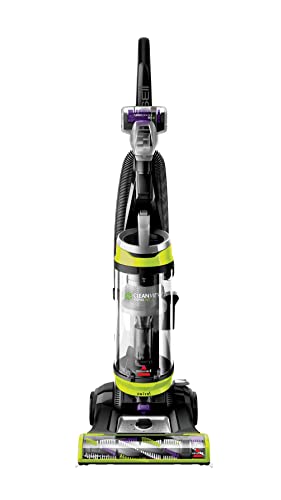
Investing in a specialized vacuum with a pet attachment significantly speeds up the task. These models are designed with bristles that effectively lift embedded fibers, ensuring no residue is left behind. For stubborn spots, I recommend the combination of a lint roller and a microfiber cloth for optimal results.
Switching to a squeegee can yield impressive outcomes as well. The rubber edge grabs fibers with ease, especially on carpets. The key is consistency; regular maintenance prevents accumulation and keeps your living spaces looking pristine.
Lastly, incorporating fabric softener in a spray bottle can help release trapped strands. Mix it with water and lightly mist the area before wiping with a cloth; you’ll find that it makes gathering even the most resistant bits a straightforward task.
Strategies for Extracting Animal Fibers from Surfaces
Using a rubber glove can be highly effective. Simply dampen the glove slightly and run your hand over the affected area. The static electricity generated helps lift the fibers away.


Alternative Tools
- A lint roller is a quick solution; just roll it over the surface for a fast clean-up.
- Specialized vacuum attachments designed for upholstery can significantly assist in collection.
- Microfiber cloths capture fibers efficiently; dampen them for added adhesion.
Maintenance Tips
- Regular vacuuming keeps accumulation at bay. Focus on high-traffic zones.
- Grooming tools can be used on the animals to minimize shedding.
- Consider using fabric sprays that help reduce static and prevent fibers from clinging.
Incorporating these techniques will facilitate the upkeep of your spaces and contribute to a cleaner environment.
Choosing the Right Tools for Pet Hair Removal
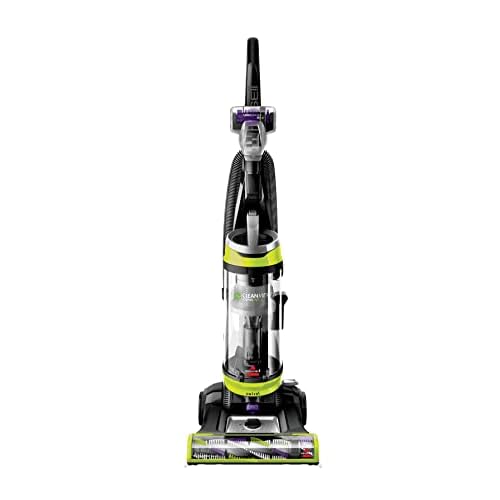
Invest in a high-quality vacuum cleaner with a pet-specific attachment. Look for models featuring strong suction and brushes designed to lift stubborn fibers embedded in carpets and upholstery.
Handheld Options
A handheld vacuum is extremely useful for quick clean-ups. Opt for a cordless model for greater flexibility and ease of use, especially for tackling corners and tight spots.
Sticky Rollers and Brushes
For smaller areas or quick fixes, adhesive lint rollers work wonders. These rollers can easily pick up loose strands. Additionally, rubber gloves can attract and gather fibers efficiently when you run your hands over surfaces, making them another practical choice.
| Tool Type | Benefits | Best Usage |
|---|---|---|
| Vacuum Cleaner | Powerful suction, specialized attachments | Regular deep cleaning |
| Handheld Vacuum | Portable, easy to use | Quick spot cleaning |
| Lint Roller | Convenient, disposable | On-the-go cleaning |
| Rubber Glove | Cost-effective, reusable | Quick fixes on various surfaces |
Having the right tools simplifies the process and helps maintain a clean living space. Select what suits your cleaning routine best and stay consistent for optimal results.
Using a Vacuum Cleaner with Pet Hair Attachments
For tackling stubborn fuzz, utilizing a vacuum equipped with specialized attachments can significantly enhance results. These tools are designed to lift and trap loose strands more effectively than standard nozzles.
Key Attachments to Consider
| Attachment Type | Description |
|---|---|
| Turbine Brushes | Features rotating brushes that agitate and lift deeply embedded particles. |
| Crevice Tool | Easily reaches narrow spaces where debris accumulates. |
| Upholstery Tool | Designed for fabric surfaces, it extracts fibers without damaging the material. |
Regularly emptying the vacuum bag or bin maintains suction power, ensuring optimal performance during cleaning sessions. I find that running the cleaner in multiple directions enhances collection by dislodging trapped debris.
Particularly effective is using a vacuum with a HEPA filter, which traps smaller particles that may aggravate allergies. This not only takes care of larger clumps but also addresses microscopic irritants.
Always ensure the vacuum’s brush rolls are free of tangles before starting. A quick maintenance check can prevent clogs and improve suction, letting me achieve a thorough clean swiftly.
Using Lint Rollers for Quick Cleanup
For rapid cleanups, I find lint rollers to be incredibly handy. Simply grab a roll, and with a firm press, the sticky sheets pick up stray fuzz and fibers effectively. Move in a consistent direction to maximize adhesion.
Techniques for Optimal Use
Apply gentle pressure while rolling over surfaces. For furniture, I prefer to start from the top and work my way down, ensuring nothing gets missed. When it comes to upholstery, using a crosshatch motion enhances removal. Always keep extra sheets on hand for high-traffic areas.
Regular Maintenance Tips
Clean your lint roller after heavy use to prevent buildup. I also recommend storing it in easily accessible locations, like near your couch or in the car. This way, I can take care of uncontrollable fuzz anytime it appears.
Incorporating these methods into my routine makes tidy-ups a breeze, ensuring my living spaces stay fresh and welcoming.
Ironing Method: A Unique Way to Collect Pet Hair
For an unconventional approach, I recommend using a clothes iron to gather those pesky fibers from surfaces. Start by placing a clean, slightly damp cloth over the area where the stubborn strands cling to the upholstery or rug. The moisture in the cloth helps to attract the strands while the heat of the iron loosens them.
Set the iron to a low temperature without steam, ensuring it won’t damage the fabric. Glide the iron gently over the cloth, allowing the warmth to work its magic. As you move the iron, the cloth will pick up the small bits of fibers trapped in the fibers of the material.
Once done, periodically check the cloth and shake it out to remove accumulated strands. This technique works particularly well on soft fabrics and helps in reducing static, which is often a culprit in hair clinging tightly to surfaces.
Complete the process by vacuuming the area afterward to capture any residual fibers that weren’t picked up initially. This combination of heat and moisture can yield impressive results, making your living space look cleaner and more inviting.
Homemade Solutions: DIY Rubber Glove Technique
I recommend using a simple rubber glove as an effective tool for gathering stubborn fibers. Just put on a clean, dry rubber glove and rub your hand along the upholstery or carpet. The static electricity generated will attract the collected fuzz, making it easy to clump together.
For greater results, slightly dampen the glove. This enhances its ability to attract and hold onto fibers. Once you’ve gathered the mess into a ball, simply toss it away.
This method works wonders on various surfaces, including clothing and car interiors. Keep a glove handy for quick cleanups after lounging with your furry companions. It’s a practical and eco-friendly solution that requires no extra expenses or complicated equipment.
Try to use a pair of gloves specifically designated for cleaning to avoid any contamination. After each use, rinse the gloves and keep them ready for your next maintenance session.
Using Fabric Softener to Loosen Hair from Fibers
Mix a solution of fabric softener and water in a spray bottle, using a ratio of one part softener to three parts water. Lightly mist this mixture over the surface of your upholstery or rug. Allow it to sit for a few minutes. This technique helps in breaking the static bond between the fibers and the strands, making it simpler to gather them.
Applying the Solution
After the mixture has settled, use a lint roller or a rubber glove to wipe the area clean. Alternatively, a damp cloth can also be useful for collecting leftover debris after the solution has dried slightly. Following this method not only aids in detaching those pesky strands but can also leave a fresh scent.
Alternative Uses
Beyond cleaning, I often use this mixture to freshen up my upholstery between deep cleans. It helps maintain a pleasant aroma while also providing a barrier that can help reduce future clinginess of any residual strands.
Regular Grooming to Minimize Shedding at Home
I recommend establishing a consistent grooming routine to significantly cut down on loose fur. This practice not only keeps your furry companion looking good but also reduces the amount of fluff that ends up on furniture and flooring.
Choose the Right Tools
- Brushing: Select a brush suitable for your animal’s coat type. For example, slicker brushes work well for long-haired breeds, while rubber bristles can be effective for short-haired varieties.
- Deshedding Tools: Invest in a specialized deshedding tool to reach undercoats and remove loose material efficiently.
- Electric Groomers: Some automated devices can help manage shedding with minimal effort on your part.
Establish a Routine
- Frequency: Brush your animal at least once a week, increasing the frequency during shedding seasons.
- Location: Designate a specific spot for grooming. This will help contain loose fur to one area, making cleanup easier.
- Positive Reinforcement: Incorporate treats or praises to make grooming a positive experience, encouraging your companion to cooperate.
Regular maintenance can dramatically minimize the accumulation of loose fluff throughout your home, making cleanup efforts less daunting.
Cleaning Upholstery without Damaging Fabric
Opt for a vacuum cleaner with a brush attachment for gentle yet thorough cleaning. This helps lift embedded debris without causing harm to delicate fibers. Always test on an inconspicuous area first to ensure compatibility.
Use a soft microfiber cloth slightly dampened with water or a mild fabric cleaner. Gently blot surfaces to lift stubborn particles, avoiding excessive moisture that can lead to mold or discoloration.
If static is an issue, lightly mist the upholstery with water or a diluted fabric softener solution. This technique can help make fibers less clingy, making it easier to gather unwanted residues.
For intricate patterns or textured surfaces, employ a soft-bristle brush. This can dislodge trapped materials without compromising the integrity of the fabric. Brush in the direction of the grain for best results.
Regular maintenance is key. Schedule weekly cleaning sessions, even if they are brief, to keep surfaces looking pristine and minimize build-up over time.
Maintaining a Hair-Free Environment with Routine Cleaning
Establishing a regular cleaning schedule significantly reduces the buildup of fur. Aim for a weekly deep clean that covers all surfaces where your animals frequently lounge.
Daily Quick Cleanups
Incorporate simple daily habits to minimize accumulation:
- Use a hand-held vacuum for quick pickups each day to catch loose fibers.
- Have lint rollers handy for quick touch-ups on clothing and favorite seating areas.
- Wipe down surfaces with microfiber cloths, which attract fibers effectively.
Weekly Deep Cleaning
Allocate specific days for thorough cleaning sessions.
- Vacuum all carpets, rugs, and upholstered pieces with appropriate attachments designed for maximum removal.
- Wash removable covers on cushions and bedding to eliminate embedded particles.
- Steam clean carpets at least once a month to lift stubborn fibers.
Integrating these practices will make maintaining a clean living space easier and less time-consuming. Consistency is key to keeping surfaces free of unwanted debris.