
 Caleb Turner

Begin with a high-quality putty knife or scraper to gently lift the compromised surfaces. Angle the blade appropriately to avoid damaging the underlying structure while ensuring an effective removal process.
After scraping, take a fine-grit sandpaper and smooth out the area. This step prepares the surface for a fresh finish and removes any stubborn remnants. Make sure to sand in the direction of the wood grain to maintain its integrity.

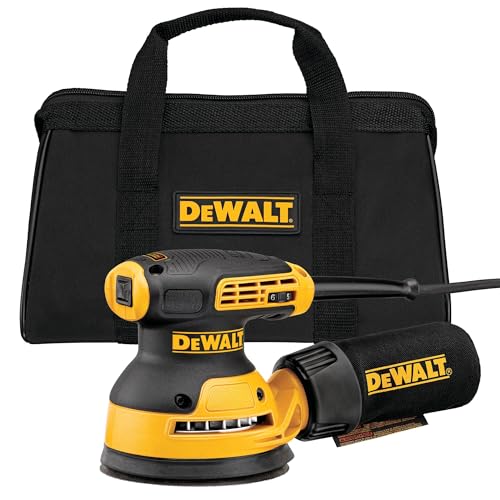


Once satisfied with the smoothing process, clean the area thoroughly with a damp cloth to eliminate dust and debris. Allow it to dry completely before proceeding with any restoration or refinishing methods to achieve the desired outcome.
For those not inclined to DIY, consider using a commercial product formulated for addressing worn finishes. Following the manufacturer’s instructions ensures optimal results while saving time and effort.
Steps for Extracting Flaking Coating from Surfaces
Initially, I gather all necessary tools: a scraper or putty knife, sanding paper, and a quality damp cloth. I ensure the workspace is well-ventilated, as well as protected from potential debris. Using the scraper, I gently coax the compromised layer off the surface, taking care to maintain the integrity of the underlying material.
Next, I focus on the areas that are more stubborn. For these spots, coarse sanding paper works wonders. I apply even pressure while maintaining a consistent motion to avoid creating grooves. Following this, I switch to finer grit sandpaper to smooth everything out for a refined finish.
Cleaning and Preparing the Surface
Afterward, I reach for the damp cloth to wipe away all dust and particles, ensuring a thorough clean. This step is crucial, as any leftover debris can interfere with future applications. Allow the area to dry completely before moving on.
Final Touches
For a flawless result, I inspect the surface for any imperfections. Once satisfied, I give it a final light sanding and clean it again. Now the object is ready for a fresh coat, rejuvenating its appearance and extending its lifespan.
Assessing the Condition of the Coating
Begin by examining the surface closely. Look for areas where the layer has started to separate or lift. This step provides insight into the extent of damage and informs the method of remediation needed.
Key Indicators to Evaluate
- Blisters: Check for bubbles; they may indicate moisture trapped underneath.
- Splitting: Identify cracks running through the surface, suggesting poor adherence.
- Color Fading: Note any discoloration, which can indicate wear or age.
- Texture Changes: Assess for rough spots that contrast with smoother areas.
Using a utility knife, gently scrape a small section to test adhesion. If the layer comes off easily, significant underlying issues likely exist. For areas with a strong bond, careful consideration is needed before proceeding.
Overall Stability
Evaluate the structural soundness of the underlying material. Pressing lightly can reveal softness or damage that demands attention prior to any work. If the substrate is compromised, it may impact the final finish.
Document all findings for future reference, ensuring a strategic approach moving forward. This assessment lays the groundwork for a successful restoration process.
Choosing the Right Tools for the Job
For effective stripping of old finishes, the selection of appropriate tools is paramount. Prioritize a few key items to streamline the process and achieve optimal results.
Hand Tools
- Putty Knife: A stiff blade works well for scraping off loose layers. Choose a width that fits well with the furniture’s contours.
- Wire Brush: Ideal for removing stubborn remnants without damaging the underlying surface.
Power Tools
- Sanders: Invest in an orbital sander for larger surfaces. Use various grits to gradually refine the finish.
- Heat Gun: Effective in softening layers for easier scraping. Maintain a safe distance to avoid scorching.
Ensure you also have protective gear: gloves and a mask to avoid inhaling dust or harmful particles. Careful tool selection expedites the task and enhances the final outcome.
Applying the Appropriate Paint Remover
Selection of a suitable solvent significantly impacts the success of the task. I recommend starting with eco-friendly options such as soy-based or citrus-based solvents, which are less harmful and easier to handle. These types generally have fewer fumes and are effective for various finishes.
Types of Solvents
- Soy Gel: Ideal for vertical surfaces, this gel clings and penetrates effectively, making it easier to scrape away the old finish.
- Citrus Solvent: Derived from natural citrus oils, this remover works well on enamels and varnishes without strong odors.
- Caustic Removers: These are powerful but require careful handling due to their aggressive nature. Always wear protective gear to avoid skin contact.
Application Process
- Test a small, inconspicuous area first to ensure compatibility with the surface.
- Apply the solvent with a brush or cloth, following the manufacturer’s instructions.
- Allow it to sit for the recommended duration, which can range from a few minutes to several hours depending on the product used.
- Use a scraper to gently lift the old layer away, taking care not to damage the underlying material.
After completing the application, ensure to thoroughly clean the item with soap and water to neutralize any remaining chemicals. This step prepares the surface for any future coatings you plan to apply.
Using a Scraper to Eliminate Flaking Coating
Choosing the right scraper is key. I prefer a flat metal blade for larger areas and a rigid plastic scraper for delicate surfaces. The metal version tackles thick layers effectively, while the plastic option minimizes damage to the underlying material.
Technique Matters
Hold the scraper at a low angle against the surface. Applying even pressure, glide the blade along the edge of the distressed area, allowing it to lift the coat. Avoid excessive force, which may gouge or scratch. For corners and intricate details, a smaller scraper or a putty knife works wonders.
Post-Scraping Cleanup
After I’ve stripped off the loose sections, I use fine-grit sandpaper to smooth out any rough patches left behind. Vacuum the debris for a cleaner workspace, making it easier to prepare for the next steps in the refinishing process. This ensures the new finish adheres properly and looks professional.
Employing Sanding Techniques for Smooth Surfaces
I suggest utilizing both hand and power sanding methods to achieve a flawless finish. For delicate or intricate areas, I prefer to start with finer-grit sandpaper, such as 120 or 150 grit, to prevent surface damage. Hand sanding allows for greater control, especially on curves or edges. I use a sanding block to maintain even pressure and avoid uneven surfaces.
For larger, flat areas, I’ll switch to a power sander equipped with a 80-grit or 100-grit paper. This speeds up the process significantly, but I remain cautious, as too much pressure can harm the underlying material. Switching to finer grits, like 220, helps create a silky smooth texture before the final finish.
Always sand in the direction of the grain. This technique minimizes scratches and enhances the overall look. After the initial sanding, I clean the surface with a vacuum or a damp cloth to remove dust particles. I find that this preparation step is crucial for the best adhesion of the new surface coating.
I also recommend wearing a dust mask and goggles to protect myself from inhaling particles. This safety measure ensures that I can work comfortably and without concern for respiratory issues.
Cleaning the Furniture After Paint Removal
Once I’ve completed the task of stripping the old coating, the next step involves a meticulous clean-up to ensure the surface is suitable for future treatment. I begin by using a damp cloth to wipe off any residual debris left behind from the preceding procedures. This step helps in picking up small particles that may remain.
After that, I prepare a mixture of warm water and a mild detergent. I take a soft sponge or cloth, dip it into the solution, and gently scrub the surfaces. It’s important to avoid using abrasive materials to prevent damage. Thorough rinsing with clean water follows to eliminate any soap residue.
I also pay special attention to any corners or crevices that may harbor remnants. For difficult areas, I utilize a soft-bristled brush. Following this thorough cleaning, I dry the surfaces with a clean, dry cloth. This prevents moisture from causing any further issues and prepares the item for the next stages.
If I notice any stubborn stains or marks that the initial cleaning couldn’t fully address, I apply a specialized cleaner designed for the material type of the item, always following the manufacturer’s instructions for safety and effectiveness.
After ensuring everything is clean and dry, I inspect the surfaces for any signs of imperfections. This last inspection allows me to decide if additional smoothing or preparations are necessary before applying a new finish. The goal is to secure a flawless base for the upcoming refinishing efforts.
Preventing Future Issues
To ensure longevity and maintain an aesthetic appearance, it’s crucial to address environmental factors. Controlling humidity levels is a primary step; using dehumidifiers can significantly reduce moisture, especially in basements or bathrooms.
Surface Treatment
Before applying any finish, consider treating surfaces with a high-quality primer. Primers create a better bond and prevent moisture penetration. Look for products specifically designed for furniture applications to maximize adherence and durability.
Proper Application Techniques
When considering new coatings, apply them in thin layers rather than thick ones. Multiple thin coats dry more evenly and adhere better, reducing the risk of future issues. Always follow the manufacturer’s instructions regarding drying times and reapplication intervals.
| Tips | Benefits |
|---|---|
| Control humidity | Reduces moisture absorption |
| Use high-quality primer | Improves adhesion |
| Apply thin layers | Encourages even drying |
| Follow manufacturer’s guidelines | Ensures optimal performance |
Regular maintenance is equally important. Inspect surfaces periodically for signs of wear or damage. Address these issues promptly to stave off larger problems down the line.
Repainting Tips for a Fresh Finish
Before applying a new layer, make sure the surface is completely dry to avoid trapping moisture, which can lead to issues later. It’s advisable to work in a well-ventilated area to ensure proper airflow and drying.
Choose a high-quality primer suited for your specific surface material. Applying primer helps the new coating adhere better and provides a more uniform finish. Follow the manufacturer’s instructions regarding drying times before proceeding.
Use a foam roller for smooth surfaces, as it minimizes brush strokes and delivers an even application. For intricate designs or corners, select a high-quality brush to achieve precision without compromising the overall look.
Apply thin layers rather than a thick coat to prevent drips and allow each layer to dry completely before adding another. This technique not only enhances the appearance but also extends the longevity of the finish.
Inspect each layer for any imperfections once they dry. Lightly sand the surface with fine-grit sandpaper to smooth out any bumps before the final application. This step ensures a flawless finish and improves overall adhesion.
| Tip | Description |
|---|---|
| Drying | Ensure complete dryness before starting the next step. |
| Primer | Select a quality primer for better adhesion. |
| Application Tools | Use a foam roller for even surfaces and brushes for detailed areas. |
| Layering | Use thin coats and allow for complete drying between applications. |
| Sanding | Lightly sand after each layer to smooth out imperfections. |
Finally, once everything is dry, consider applying a topcoat to enhance durability and provide an additional layer of protection. This step is especially important for surfaces that will face wear and tear.
Maintaining Your Furniture Post-Repair
After completing the restoration work, regular upkeep is key to ensuring longevity. I recommend applying a suitable protective finish tailored to the specific material of your item. For wooden pieces, a high-quality sealant or wax can provide a barrier against moisture and dirt.
Routine Cleaning Practices
Using a soft cloth and a mild cleaner, I wipe down surfaces weekly. Avoid abrasive cleaning agents that could damage the new finish. For upholstery, vacuuming helps prevent dirt buildup, maintaining both appearance and hygiene.
Environment Considerations
Position the item away from direct sunlight to minimize fading. A stable humidity level ensures that wood doesn’t warp or crack. Investing in a dehumidifier can be beneficial in damp conditions, while sunny spots might require sheer curtains to diffuse harsh rays.
FAQ:
What tools do I need to remove peeling paint from furniture?
To effectively remove peeling paint from furniture, you will need several tools: a paint scraper or putty knife for peeling off larger sections, fine-grit sandpaper for smoothing the surface, a sanding block for better control, and a chemical paint stripper if the paint is particularly stubborn. Additionally, safety gear such as gloves and a mask is advisable to protect yourself from dust and fumes.
How do I prepare the furniture for paint removal?
Preparing furniture for paint removal involves several steps. First, ensure that the furniture is clean and free from any dirt or grime. If possible, move it outside or to a well-ventilated area to minimize inhalation of dust or fumes. Lay down a drop cloth to protect the floor. If the piece is valuable, consider covering parts you want to keep intact. This preparation will make the paint removal process smoother and safer.
Are there any eco-friendly methods for removing paint from furniture?
Yes, there are eco-friendly methods for paint removal. One effective method is using a mixture of vinegar and water to soften the paint. You can apply this solution directly to the peeling areas, let it sit for a while, and then scrape the paint off gently. Another option is using baking soda mixed with water, which can also be effective for removing paint. These methods are less harsh on both the environment and your health compared to traditional chemical strippers.
Can I paint over peeling paint instead of removing it?
Painting over peeling paint is not recommended, as it will likely result in the new paint peeling off as well. Before applying a new coat of paint, it is crucial to remove all loose and peeling paint to ensure proper adhesion. If the surface is not properly prepped, the longevity of your new paint job will be compromised. Therefore, investing the time to remove peeling paint will ultimately lead to better results.
What steps should I follow after removing the paint?
After removing the paint, follow these steps: first, sand the surface to smooth out any rough spots and ensure there are no remnants of paint. Next, clean the furniture with a damp cloth to remove dust from sanding. Once dry, you can apply a primer, particularly if the wood is bare, which will provide a good base for the new paint. Finally, paint the furniture with your desired color, allowing adequate drying time between coats for the best finish.


