
 Caleb Turner
First, I apply rubbing alcohol directly onto a clean cloth. This substance works wonders in breaking down ink compounds. Gently dab the area with the alcohol-soaked cloth, ensuring I never rub too hard, as this might spread the ink further.
If the initial attempt doesn’t fully clear the discoloration, I mix a tablespoon of dish soap with a cup of water. Using a fresh cloth, I dampen it in the soapy solution and gently blot the affected area. The soap helps lift those stubborn marks without damaging the surface.
For wooden surfaces, a paste made from baking soda and water can be effective. I create this paste, apply it to the ink mark, and let it sit briefly. The mild abrasiveness of baking soda lifts the ink while being gentle on the finish of the wood.


Finally, to restore the shine, I use a bit of furniture polish or a mixture of vinegar and olive oil. This not only enhances appearance but also provides a protective layer against future mishaps.
Solutions for Ink Marks on Surfaces
I recommend first tackling the mark with a cotton ball or cloth dampened in rubbing alcohol. Gently dab the affected area rather than rubbing, which could spread the ink.
If alcohol isn’t available, try using a solvent like hand sanitizer. Apply a small amount and let it sit for a couple of minutes before blotting it away. Test the product on a hidden spot first to ensure it doesn’t harm the finish.
A mixture of vinegar and water can also work; combine equal parts and apply with a soft cloth. Blot the area instead of rubbing, then wipe off any residue with a clean, damp cloth.
For tougher situations, a paste made from baking soda and water can be effective. Gently apply the paste and let it sit for approximately 5 minutes before wiping it clean.
Always remember to dry the area thoroughly after cleaning; moisture left behind can lead to additional damage or staining.
Identify the Type of Furniture Finish
Understanding the finish on the surface simplifies treatment strategies. Begin by visually inspecting the piece; a glossy appearance often indicates a lacquer or polyurethane coating, while a matte finish may suggest oil or wax. Touch can provide additional clues–smooth surfaces hint at varnish, while textured ones may be indicative of more porous finishes like oils.
To clarify, perform a water test. Apply a few drops of water to an inconspicuous area. If it beads up, the finish is likely synthetic; if it soaks in, you might be dealing with natural oils or wax. Alcohol can also be used for testing–carefully dab a hidden section. A reaction indicates a non-resistant finish, necessitating caution moving forward.
Knowing the type of finish directs the approach for addressing the marked areas. Each finish requires tailored cleaning agents to prevent damage. Once I identify the finish, I proceed with the correct techniques, ensuring the integrity of the surface remains intact.
Gather Necessary Cleaning Supplies
For thorough cleaning of ink marks, I recommend assembling the following items: absorbent cloths or paper towels to soak up excess ink, a medium for spot treatment like rubbing alcohol or vinegar, and cotton swabs for precision application. Adding a soft-bristle brush can aid in loosening any dried residue from the surface.
I find that having a bowl of warm, soapy water at hand is beneficial for rinsing the cloth after each use. A spray bottle can facilitate the application of liquid treatments to targeted areas. Don’t forget protective gloves to safeguard my hands during the cleaning process.
If available, a small container of dish soap can be handy for creating suds that assist with cleaning. Finally, a microfiber cloth is excellent for buffing the surface after treatment, ensuring a polished finish without scratches.
Test Stain Removal Methods on Hidden Areas
I recommend selecting a concealed spot, such as the underside of a table or the back of a chair, to evaluate cleaning techniques. This practice ensures the chosen solution doesn’t damage the surface or alter its appearance.
Apply a small amount of the cleaning agent onto a soft cloth or cotton swab. Gently dab the isolated area while observing for any adverse reactions. Monitor the finish for discoloration, texture changes, or any lifting of the varnish.
If the initial method shows no negative effects after a few minutes, proceed to the next step. For stubborn marks, consider a slightly stronger approach, but always in moderation and with caution.
After testing, wipe the area with a damp cloth to remove any residue from the cleaning agent. Evaluate the outcome thoroughly; compare the tested area with the untreated finish to ensure uniformity.
This methodical testing saves time and prevents potential damage, allowing for confident application on the visible sections of your piece. Proceed with the method that yields the best results on your hidden test area.
Blotting Method for Fresh Ink Stains
Blot the ink immediately with a clean, dry cloth or paper towel. Use gentle pressure to soak up as much liquid as possible without rubbing, which may spread the mark.
Follow these steps for optimal results:
- Dab the area carefully, moving from the outside of the blot toward the center.
- Use a cloth slightly dampened with water once you’ve blotted up the excess ink.
- Switch to a clean section of the cloth frequently to avoid redepositing ink.
For stubborn marks, consider a mixture of a mild detergent and water. Apply it to the cloth before blotting, ensuring the fabric is not overly wet.
After treatment, let the spot air dry completely. Evaluate if any residue remains before repeating the blotting process, as drying sometimes reveals additional ink.
Using Rubbing Alcohol on Dried Ink Stains
For effective treatment of hardened ink, I utilize rubbing alcohol as a powerful solvent. Begin by applying a small amount onto a cotton ball or soft cloth. It’s crucial to ensure the fabric is lightly dampened, not soaking wet, to prevent further damage to the surface.
Gently dab the stained area, allowing the alcohol to penetrate the ink. Avoid vigorous rubbing, as this can scratch or damage the finish. Instead, use a blotting motion, gradually lifting the ink from the surface.
After blotting, check the cloth for ink transfer to gauge progress. It may take several applications to achieve the desired result. Should the stain persist, use a fresh cotton ball and repeat the process.
Once the majority of the ink has lifted, wipe the treated area with a clean, damp cloth to remove any alcohol residue. Finally, dry the surface with a dry cloth to prevent moisture damage.
| Steps | Description |
|---|---|
| Initial Application | Apply rubbing alcohol to a cotton ball or cloth. |
| Dabbing Technique | Gently dab the stained area, avoiding harsh rubbing. |
| Check Progress | Inspect cloth for ink transfer and repeat if needed. |
| Final Cleanup | Wipe with a clean damp cloth and dry the area. |
Alternative Solutions for Delicate Surfaces
For sensitive finishes, applying a mixture of white vinegar and olive oil offers a gentle cleaning method. Combine equal parts and dampen a soft cloth, then lightly rub the mixture onto the affected area.
An alternative involves cornstarch. Sprinkle it over the ink mark and let it sit for about 15 minutes. Afterward, gently brush away the cornstarch to lift some of the ink with it.
Another option is to use a cotton swab dipped in lemon juice. This natural acid can break down the ink. Apply it carefully and avoid soaking the surface to prevent any damage.
To address tough residues, consider a specialized furniture polish. Ensure it is formulated for your finish type; apply sparingly with a soft cloth to refresh the surface while working on the blemish.
Lastly, a gentle frothy soap solution may help. Mix a few drops of mild dish soap with water and use a damp cloth to lightly clean the area, followed by a clean, damp cloth to rinse away any soap residue.
Treating Stains on Upholstered Furniture
Immediate action is key. For fresh marks, always blot gently with a clean, dry cloth. Avoid rubbing, as this can spread the mark and embed it deeper into the fibers.
Using Dish Soap Solution
Mix a few drops of dish soap with cold water. Dampen a cloth with the solution, and gently dab at the affected area. Rinse with a clean, damp cloth to remove any soap residue, then blot dry.
Vinegar and Water Mixture
A combination of equal parts white vinegar and water works wonders on stubborn marks. Apply the mixture using a soft cloth, then blot until the stain lifts. Follow with a clean, damp cloth to rinse, and always let the fabric dry naturally.
Preventing Future Ink Marks on Surfaces
Place coasters and placemats on tables to create a barrier against leaks. Opt for washable or disposable options for easy cleanup.
Designate Writing Areas
- Choose a specific spot for writing, ensuring such surfaces are protected.
- Incorporate trays or mats to catch any accidental drops of ink.
Store Writing Instruments Safely
- Use containers with tight lids to store markers and pens.
- Keep them out of reach of children or pets to avoid unintended spills.
Consider using non-bleeding ink products, especially in homes with children or active environments. Test different ink types before committing to large amounts.
Regularly inspect furniture for any signs of wear or damage, especially in areas frequently used for writing. Early detection can prevent severe issues.
FAQ:
What are the first steps I should take after noticing a pen stain on my furniture?
As soon as you notice a pen stain, try to act quickly to prevent it from setting in. First, blot the stain gently with a clean, dry cloth to absorb as much ink as possible. Avoid rubbing, as this can spread the stain. If the stain is still wet, you can also use a paper towel or a cloth to blot further. Do not use water at this stage, as it could worsen the situation by making the ink spread.
Can I use common household items to remove pen stains from furniture?
Yes, many household items can be effective in removing pen stains. Rubbing alcohol is a popular choice; you can apply a small amount to a cotton ball and dab the stain gently. Other alternatives include hairspray or hand sanitizer, both of which contain alcohol. Just remember to test any substance on a hidden area of the furniture first to ensure it doesn’t damage the finish.
What should I avoid doing when trying to remove a pen stain?
Avoid using water directly on the stain, as this can make it worse. Also, refrain from using abrasive materials or harsh chemicals, which may damage the furniture’s surface. Over-scrubbing the area can also set the stain more deeply. Instead, focus on blotting gently and using tested cleaning agents.
How can I tell if the cleaning method worked on the pen stain?
After applying your chosen cleaning method, allow the area to dry completely. Check to see if the stain has lightened or disappeared. If the stain is still visible, you may want to repeat the process or try a different method with care. Sometimes, it takes a couple of attempts to fully remove stubborn stains.
Are there professional cleaning products specifically designed for removing ink stains from furniture?
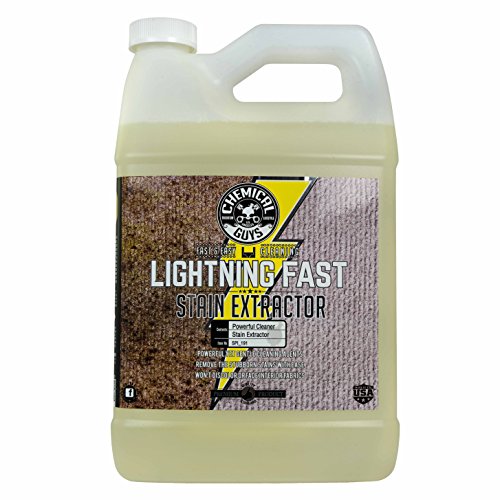
Yes, there are professional-grade cleaning products available that target ink stains. These products are typically marketed as stain removers or upholstery cleaners. When using these, follow the instructions on the label, and always conduct a patch test on a less visible area of the furniture to avoid any potential damage.
What are the most effective methods to remove pen stains from wood furniture?
There are several methods you can try to remove pen stains from wood furniture. One effective approach is to use a mixture of vinegar and olive oil. Apply the mixture on a cloth and gently rub the stain. Another option is to use rubbing alcohol; soak a cotton ball in it and dab gently on the stain, then wipe with a clean cloth. If these methods do not work, you can also try using a commercial stain remover specifically designed for wood. Always remember to test any solution on a hidden area first to prevent damage to the finish.


