
 Caleb Turner

Utilizing heat is one of the simplest and most effective methods to tackle unwanted finishes on various surfaces. A heat gun can soften the coating, allowing for easy scraping with a putty knife. Maintain a safe distance to prevent damage to the underlying material.
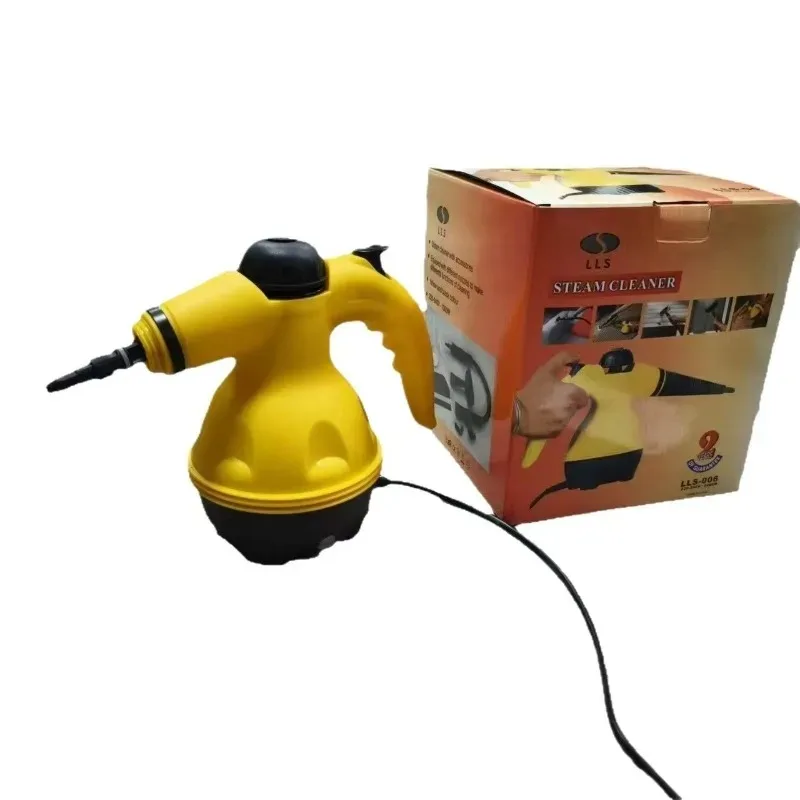
Alternatively, steam is another practical solution worth considering. A handheld steamer can vaporize the finish, making it pliable. After steaming, gently scrape away the softened coating, ensuring you’re careful not to harm the wood or upholstery beneath.
For a more organic approach, consider blending natural substances like baking soda with water to create a paste. Applying this mixture to the surface and letting it sit will help break down the unwanted layer. After a few minutes, scraping it off will yield positive results, especially on metal surfaces.
Lastly, using a mixture of vinegar and water can effectively tackle stubborn residues. The acidity breaks down the layers, allowing for easier removal. Just apply the solution, wait a moment, then wipe with a clean cloth.


Removing Color from Surfaces Naturally
I found that using heat is a powerful method to strip surfaces effectively. A heat gun or a hairdryer can soften the layers, allowing for easier scraping.
Steps to consider:
- Prepare the workspace: Ensure proper ventilation and cover surrounding areas to catch any debris.
- Heat application: Hold the heat source a few inches away from the surface and move it back and forth until the coating starts to bubble.
- Scraping: Use a putty knife or a plastic scraper, working gently to avoid damaging the underlying material.
For stubborn spots, a mixture of baking soda and water can be helpful; just apply it, let it sit, and then scrub with a brush. This technique allows for successful lifting of tough residues while being gentle on the surface.
Additionally, utilizing sandpaper is another viable option. Opt for a fine grit to avoid gouging the material. Sand with care, following the grain for best results.
Lastly, don’t underestimate the power of vinegar. It can be a fantastic natural alternative. Dampen a cloth with it and rub over the affected areas; the acidity helps break down the stubborn substances effectively.
Understanding the Types of Paint and Their Removal Techniques
Identifying the specific type of coating is essential for effective extraction methods. Different formulations require tailored approaches to ensure successful elimination without harsh substances.
Types of Coatings
1. Latex: Water-based and easy to clean while wet. For softening, applying heat through a hairdryer can ease the removal process. Scraping gently with a plastic putty knife works well once the paint has softened.
2. Oil-based: More resilient than latex, these formulations need patience. Rubbing with a mixture of baking soda and water can sometimes lift it effectively. Using coarse cloths for scrubbing will aid in this process.
3. Chalk: Known for its matte finish, these are less durable and can be lightly sanded away. Using fine-grit sandpaper, incrementally rub the surface to avoid damage to the underlying material.
4. Milk Paint: Eco-friendly and biodegradable, this can be removed by simply dampening the surface with water. Follow up by gently scraping with a wooden spatula, taking care to preserve the substrate.
Selection of Techniques
Based on the type of coating, the following methods can be deployed:
| Paint Type | Recommended Technique |
|---|---|
| Latex | Heat application and scraping |
| Oil-based | Baking soda paste with scrubbing |
| Chalk | Fine-grit sanding |
| Milk Paint | Water dampening and scraping |
Understanding these categories allows for a more strategic approach, minimizing damage and achieving a cleaner finish. Adjusting techniques based on coating types increases the likelihood of success and preserves the integrity of the underlying surface.
Preparing Your Furniture for Safe Paint Removal
Clear the area of any surrounding items to prevent accidental damage. Use a drop cloth or tarp to protect the floor beneath the piece you’re working on. This helps catch any debris that may arise during the process.
Ensure adequate ventilation in the workspace. Open windows and doors to allow fresh air circulation. This is critical, as it minimizes the risk of inhaling dust and particles.
Examine the condition of the surface before beginning. Look for loose or damaged areas that may need repair before tackling the task ahead. For instance, tighten any screws or clamps that may be holding pieces together too loosely.
Gather necessary tools. A putty knife or scraper will assist in lifting off layers. Sandpaper with various grits can help smoothen surfaces post-removal. Have a vacuum or a soft brush on hand to clean up dust afterward.
Test a small, inconspicuous section if you’re unsure about your strategy. This allows you to assess how the material reacts to your method. Monitor the surface to ensure that it doesn’t suffer undesired effects.
Lastly, prepare to apply necessary treatments once the process is complete. A quality wood conditioner or protector will help restore the original luster and safeguard against future wear.
Utilizing Heat to Strip Coatings from Wooden Surfaces
The most practical method I’ve found involves using a heat gun. This tool directs hot air onto the surface, softening the layers on contact. Keep the nozzle about 4-6 inches away for optimal results.
I start with a low setting and gradually increase the temperature if needed. Watching for bubbling is crucial; it indicates the coating is ready to be scraped away. A flexible putty knife works well to lift the softened material, making it easier to remove.
I ensure to tackle small sections at a time. This prevents overheating and protects the underlying wood. Working slowly helps avoid burns on both the material and my hands.
A heat gun also minimizes mess compared to traditional methods. I find it efficient for intricate areas, where precision is essential. I use a damp cloth nearby to wipe down surfaces as I work, capturing residue before it cools.
For areas that require extra care, like corners or details, I switch to a smaller scraper after softening the layer. Patience and attention yield cleaner results as I go through each section methodically.
Finally, I let the surface cool completely before proceeding with any finishing. Inspecting the wood post-heating allows me to address any missed spots or imperfections. This technique proves to be both effective and environmentally friendly for refreshing wooden pieces.
Employing Scraping Methods for Thick Layers of Color
The best approach for tackling thick applications is a sturdy scraper or putty knife. I recommend using a rigid metal scraper, as it provides the necessary leverage and strength. Position the blade at a shallow angle against the surface to effectively peel off the layers without damaging the underlying material. Begin at the edges, where the application might be less adhered, gradually working your way toward the center.
For areas with significant buildup, a wider scraper can save time and effort. However, be mindful of your pressure to prevent gouging the wood. If the application resists, gently tapping the scraper with a hammer can help dislodge stubborn sections without excessive force.
After scraping, take a fine-grade sandpaper to smooth the surface and remove any remnants. Sanding helps prepare the area for any new coating you might want to apply afterward. I usually prefer a sanding block for better control, ensuring I avoid uneven surfaces.
A vacuum or damp cloth can help eliminate debris during the process. Keeping the workspace clean will not only enhance visibility but also facilitate better handling of the materials. Regularly checking your scraper for sharpness is advisable, as a dull edge can lead to frustration and inefficiency.
Remember to wear protective gear, such as gloves and a mask, to safeguard against dust and debris. The satisfaction of revealing undamaged surfaces beneath layers of color is worth the meticulous effort.
Using Natural Solvents Like Vinegar and Baking Soda
I rely on vinegar and baking soda as natural alternatives for loosening stubborn coatings. These substances effectively aid in lifting unwanted layers with minimal risk to the surface underneath.
For vinegar:
- Apply white distilled vinegar directly onto the affected area using a cloth or sponge.
- Let it sit for about 15-30 minutes; this allows the acidity to penetrate and soften the substance.
- Gently scrub with a plastic scraper or sponge in circular motions to lift the material. Rinse with water afterward.
Baking soda can be a powerful companion to vinegar:
- Create a paste by mixing baking soda with water until a thick consistency forms.
- Spread the paste onto the surface, covering the targeted area evenly.
- After allowing it to rest for about 30 minutes, scrub it away with a damp cloth to see the results.
Always perform a small patch test on an inconspicuous area first to ensure that the underlying material won’t be damaged. This step helps maintain the integrity of cherished pieces while effectively addressing any unwanted coatings.
Exploring the Benefits of Steam Cleaning for Paint Removal
Utilizing steam is a highly efficient method for tackling unwanted layers. The combination of high temperatures and moisture softens the coating, making it easier to lift and scrape away. This technique is especially advantageous for those wanting to avoid harmful substances.
Advantages of Steam Application
First, the natural high heat can penetrate deeply into the material, loosening stubborn residues without damaging the underlying surface. Additionally, steam minimizes the risk of inhaling toxic fumes that may arise from traditional stripping agents. This approach is safer for indoor use, as it limits exposure to harmful vapors.
Implementation Techniques
To start, I recommend selecting a suitable steam cleaner with adjustable pressure settings for better control. Always test the steam in a discreet area first to assess its impact. Move the nozzle over the targeted sections, allowing the moisture to settle for a few seconds, then follow up with a scraper to gently lift the softened material. Maintaining a consistent distance from the surface ensures optimal results and prevents damage.
Choosing the Right Sanding Techniques for Smooth Finishes
For optimal results, I rely on progressive sanding methods starting with coarser grits and moving to finer ones. This ensures a seamless transition, enhancing the final look of the surface.
Initially, I select a grit around 80 to address rough areas or significant imperfections. This stage is crucial for leveling out surfaces and preparing them for the subsequent finer grits.
Once the initial sanding is complete, I shift to a medium grit of 120 or 150. This grit smooths out the previous scratches left by the coarser paper, prepping the surface for finishing touches.
For the final stage, I opt for fine grit sandpaper, typically between 220 and 320. This step polishes the surface, creating a refined finish that feels soft to the touch.
Using a sanding block or an orbital sander provides better control and uniformity. I ensure to sand along the grain to avoid visible scratches and achieve a flawless appearance.
It’s essential to clean the surface between different grit stages. I use a damp cloth or tack cloth to remove dust particles that could interfere with the finishing product.
In cases where I aim for a high-gloss or smooth finish, I sometimes incorporate a wet sanding technique with fine grits. This method helps eliminate imperfections, resulting in an ultra-smooth surface.
| Grit Level | Purpose |
|---|---|
| 80 | Initial leveling of rough surfaces |
| 120-150 | Smoothing out scratches from coarser grits |
| 220-320 | Final polishing for a smooth finish |
By adopting these sanding techniques, I achieve smooth, visually appealing surfaces that are ready for any finishing touch, enhancing the overall aesthetic of my projects.
Testing Removal Methods on Hidden Areas First
Before applying any technique to a visible section, I prioritize testing each method on a discreet part of the piece. This ensures that the finish remains intact while assessing how well a particular approach works.
Steps for Testing
- Select an inconspicuous area, such as the underside or back of the item.
- Apply the chosen technique, whether it’s heat application, scraping, or using natural solvents.
- Observe the reaction over a short period, ensuring to note any changes in color or texture.
Why Testing is Crucial
This precaution helps avoid irreversible damage to the surface. Each type of finish reacts differently; thus, I take care to monitor the tested area closely. Only after confirming the safety of the method do I proceed to more visible sections.
Keeping a log of the results aids in refining the choices for different surfaces and can save time and frustration in the long run.
Finishing Touches: Cleaning and Reconditioning Your Furniture
After utilizing natural methods to strip finishes, cleanliness is paramount. I recommend using a gentle soap solution with warm water and a soft cloth. This approach not only cleans but also prepares surfaces for further treatment.
For wooden pieces, once cleaned, I apply a nourishing wood conditioner. This rehydrates and revitalizes the surface while enhancing its natural grain. Apply it with a soft cloth and allow it to absorb fully, typically around 15-20 minutes, before buffing with a dry cloth for shine.
If dealing with metal elements, I suggest a mixture of vinegar and olive oil. This natural blend works wonders in both cleaning and providing a protective layer. A simple application followed by buffing gives metal surfaces a new sheen while preventing rust.
Fabric upholstery benefits from a thorough vacuuming to eliminate dust and debris. For deeper cleaning, I use a homemade solution of equal parts water and white vinegar. Spraying lightly and blotting with a clean cloth helps maintain the fabric’s integrity while refreshing color and texture.
Finally, to protect and enhance appearances, I recommend applying natural beeswax or a mixture of carnauba and beeswax on wooden surfaces. This not only shields the wood from moisture but also creates a beautiful, natural finish that lasts.


