Caleb Turner

I begin with a heat gun, carefully adjusting the temperature to avoid damaging the underlying wood. Gradually, I apply heat to a small section, watching for bubbles to form in the top layer. As the adhesive softens, I gently scrape the veneer away using a putty knife at a shallow angle. Patience is key; rushing can lead to nicks or scratches on the fine wood underneath.
Next, I turn to a chemical stripper for more stubborn areas. I opt for a non-toxic solution to minimize fumes and potential harm to the piece. After applying a generous layer and allowing it to sit according to the manufacturer’s instructions, I use a plastic scraper to lift the softened material without risking damage to the wood.
I always keep damp rags on hand to wipe away excess stripper and any remaining residue. Once the surface is clean, I thoroughly wash it with water to neutralize the stripper and prepare for refinishing. The next steps involve sanding and conditioning, allowing the natural beauty of the antique to shine through once again.
Assessing the Condition of the Veneer
I begin by thoroughly inspecting the surface for any signs of damage. Look for lifts, cracks, or missing sections that may indicate weakening. A magnifying glass can assist in detecting tiny imperfections that might not be visible at first glance.


Surface Feel and Appearance
Running my fingers across the veneer helps gauge its texture. If it feels rough or has areas that are noticeably different in smoothness, these distinctions can signal the need for intervention. Discoloration or stains may also point to moisture damage or poor maintenance.
Testing Adhesion
I gently press the edges of the veneer with my fingers. If a section feels loose or shifts easily, it’s a strong indicator that this area needs attention. For suspected delamination, applying slight pressure can reveal whether the layers are separating.
Listening for any creaking sounds while applying pressure can also provide insights into the structure’s integrity. Ensuring I handle the piece delicately helps maintain its overall condition throughout the assessment.
Finally, documenting each finding is helpful for tracking the condition and deciding on the appropriate course of action moving forward. Being systematic ensures no detail is overlooked, allowing for a more thoughtful approach to the restoration process.
Gathering Necessary Tools and Materials
Prepare a workstation by collecting the following tools to ensure a smooth process:
Essential Tools
| Tool | Purpose |
|---|---|
| Putty Knife | For gently lifting the laminate layers without damaging the underlying surface. |
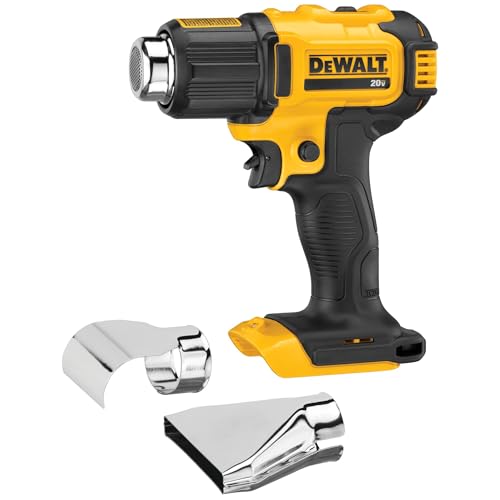
| Heat Gun | To soften adhesive for easier separation of layers. |
| Scraper | For removing stubborn pieces of material that cling to the surface. |
| Block Plane | To smooth out any uneven areas after removal. |
| Sandpaper | For refining the surface post-removal. |
Additional Materials
Acquire the following supplies to support your efforts:
- Adhesive Remover: A chemical solution to break down sticky residues.
- Protective Gloves: To safeguard your hands from chemicals and sharp edges.
- Dust Mask: Essential for ensuring safety while sanding and scraping.
- Drop Cloth: To catch debris and protect your working surface.
- Moist Cloth: For cleaning up after the task is completed.
With these tools and materials on hand, you’re well-equipped for the task ahead.
Choosing the Right Environment for the Task
Prioritize a well-ventilated area. Natural airflow is crucial for minimizing the inhalation of fumes and dust, especially when using solvents or adhesives. Setting up near an open window or in an outdoor space can significantly enhance comfort and safety during the undertaking.
Evaluate the lighting conditions. Ample illumination, preferably natural light, allows for accurate assessment of the surface and ensures visibility of delicate details. If working indoors, consider using bright LED lamps to supplement overhead lighting.
Surface Protection
Prepare the workspace by covering the floor and surrounding surfaces with drop cloths. This prevents damage from any materials or tools you might handle. Utilizing protective coverings will also aid in cleanup post-project, saving time and effort.
Temperature and Humidity
Avoid extreme temperatures and high humidity. Ideal conditions are typically between 60°F and 80°F. Significant temperature fluctuations can affect the application of glues and solvents, while excessive humidity may cause sticking issues or slow drying times. If necessary, a dehumidifier can help maintain optimal conditions.
Applying heat to soften the adhesive
Utilizing heat is a practical technique for loosening stubborn glue that bonds the surface layer to the underlying material. A heat gun or hairdryer can effectively soften these adhesives, making the task more manageable.
Set the heat tool to a low setting to prevent damage to the wood. Keep the tool about 6 to 8 inches away from the surface, moving it in a circular motion to ensure even distribution of heat. This distance helps control the temperature and reduces the risk of scorching the finish.
Monitor the area closely. You’ll notice the glue starting to soften after a minute or two of applying heat. Use a putty knife or a similar tool to gently lift the edge of the layer during this process. Be careful not to apply excessive force, as this can cause splintering or damage to the wood beneath.
| Tool | Temperature Setting | Technique |
|---|---|---|
| Heat Gun | Low | Move in circles, keep distance |
| Hairdryer | Low to Medium | Hold steady, focus on one area |
Once the adhesive has become pliable, carefully lift the edge and continue applying heat as needed. This method will significantly reduce the likelihood of damaging the substrate, allowing for a smoother restoration process.
Using solvents for adhesive removal
For effective adhesive dissolution, I prefer using denatured alcohol or mineral spirits. These agents can penetrate the glue, making it easier to detach the material.
Before applying any solvent, I always conduct a spot test on a hidden section to ensure there is no damage to the underlying wood. This precaution helps avoid unwanted discoloration or warping.
To apply the solvent, I use a clean cloth or sponge, gently dabbing it on the adhesive. I allow the solvent to sit for several minutes to soften the bond. During this time, I monitor the area to prevent excess moisture from seeping into the wood.
If the glue remains stubborn, I might gently scrape the softened residue with a plastic scraper, taking care not to gouge the surface. It’s crucial to keep the scraping light and controlled.
Afterwards, I clean the area with a cloth dampened in clean water to remove any residual solvent. This step ensures that no chemicals linger that could potentially harm the finish.
Lastly, I let the surface dry completely before proceeding with refinishing or applying any new materials. Proper ventilation during this process is also important, as some solvents can release strong fumes.
Carefully Lifting the Veneer Without Damage
I recommend using a thin, flexible knife or scraper for the careful detachment of the surface layer. A putty knife, specifically, has proven to be quite effective.
Follow these steps to ensure minimal risk of harming the underlying wood:
- Start at a corner or an edge where the adhesive may be weaker.
- Gently slide the knife underneath the layer, being cautious not to apply excessive force.
- Keep the angle shallow; this helps in lifting without penetrating too deeply.
- Use a gentle, rocking motion as you slide the knife, allowing for gradual separation.
- If resistance is felt, pause and apply additional heat or solvent to that specific area before continuing.
Pay close attention to any signs of damage as you progress; if the surface feels brittle or breaks easily, adjust your technique.
Utilizing wooden shim spacers can be useful to keep the layer lifted slightly without fully detaching, allowing for a better view of the underlying adhesive and surface condition.
During the process, maintain a steady hand and practice patience. With diligence, the lift can be executed cleanly, preserving the integrity of the entire piece.
Dealing with Stubborn Veneer Sections
For particularly difficult sections, I’ve found that applying both heat and moisture can effectively soften the adhesive. Here’s a straightforward method:
- Moisten a cloth with water, then wring it out to avoid excess liquid.
- Place the damp cloth over the stubborn area, ensuring full coverage.
- Use a heat gun on a low setting or an iron on a moderate setting, applying heat directly to the cloth. Keep it moving to prevent scorching.
- Allow the heat to penetrate for around 5-10 minutes, then check the glue’s effectiveness by attempting to lift a corner of the veneer.
If adhesion persists, a gentle application of solvents can aid in loosening the remnants. Choose a solvent suited for your specific adhesive type:
- For PVA-based adhesives, white vinegar works well.
- For urea-formaldehyde or contact adhesives, acetone may be more effective.
Next, thoroughly saturate a small patch of the veneer with the chosen solvent. Wait a few minutes for it to work on the adhesive. Follow with heat to enhance effectiveness. If necessary, alternate between heat and solvent applications until you achieve success.
Throughout this process, maintain a steady hand and use a thin putty knife to gently pry at stubborn segments. If any section refuses to budge, continue the heating cycle, ensuring the area remains moist and warm.
Additional Techniques
If problems persist, consider using a steam method:
- Boil water and carefully hold a steam source like a steam iron close to the veneer.
- Let the steam penetrate the adhesive while keeping distance to avoid direct contact.
This method can facilitate the release of adhesives hidden in tricky spots. Always check the veneer for any potential damage post-removal and proceed cautiously.
Cleaning the Surface After Veneer Removal
Begin with a thorough inspection of the surface. Ensure all remaining adhesive has been eliminated. For stubborn residue, consider using a plastic scraper gently to avoid damaging the substrate.
Prepare a solution of warm water mixed with a few drops of mild dish soap. Dampen a clean cloth with this solution and wipe down the surface. This step removes any leftover dust or dirt particles.
For tougher stains or any marks left behind after veneer extraction, I recommend using a fine-grade steel wool (0000 grade) slightly dampened with the soapy water. Lightly rub the affected areas, taking care not to exert too much pressure.
Once the surface is clean, rinse the area with another clean cloth dampened with plain water to eliminate any soap residues. Follow up by drying the surface with a dry, lint-free cloth.
After cleaning, it’s essential to assess the surface for any imperfections or damage. Look for scratches or dents that may need attention before finishing.
If the wood appears dull or faded, applying a wood conditioner can replenish its natural oils and prepare it for staining or sealing. Follow the manufacturer’s instructions for application.
- Inspect for dust, dirt, and adhesive residue.
- Prepare a soapy water solution.
- Use fine-grade steel wool for tougher stains.
- Rinse with clean water to remove soap.
- Dry the surface completely.
- Assess for any damage or imperfections.
- Consider applying wood conditioner as a final step.
This meticulous approach ensures the surface is ready for the next steps in restoration, allowing for a smooth finish and enhancing the overall appearance of the piece.
Preparing the Surface for Refinishing
Thoroughly clean the surface to eliminate any dust, grime, or previous finishes before proceeding with refinishing tasks. Use a mild detergent mixed with water and a soft cloth for this process. Ensure that the cloth is damp, not soaking wet, to prevent additional moisture from seeping into the wood.
Inspecting for Damage
After cleaning, inspect the wood beneath the old covering. Look for cracks, chips, or areas of rot. Address any damaged sections by applying wood filler or epoxy where necessary. Allow it to dry completely according to the manufacturer’s instructions before sanding.
Sanding the Surface
Lightly sand the cleaned and repaired area using fine-grit sandpaper. This step enhances adhesion for any new finishes and helps blend repaired sections with the surrounding wood. Always sand along the grain to avoid scratch marks. Finish with a finer grit to achieve a smooth surface.
Once the surface is prepared, I find it helpful to wipe it down again with a tack cloth to remove any dust particles created during sanding. This ensures a clean base for applying new layers, promoting a more polished end result.
FAQ:
What is the best method to remove veneer from antique furniture without damaging the underlying wood?
To remove veneer from antique furniture while minimizing damage, begin by using a heat gun or iron to soften the adhesive. Carefully apply heat to a small section of the veneer, then use a putty knife to gently lift the edges. Be cautious not to apply too much heat, as this may warp the wood underneath. Once you lift the veneer, it can be pulled away more easily. If any adhesive remains, a solvent like mineral spirits can help dissolve it. Always test the solvent on a hidden area first to ensure it won’t damage the finish.
Are there any tools or products you recommend for effectively removing old veneer?
Several tools can make the process of removing old veneer easier. A heat gun or an iron is ideal for softening the adhesive. Additionally, a putty knife or a scraper will help lift the veneer. For stubborn sections, a chisel can be useful, but it requires more care. Regarding products, adhesive removers like Goo Gone or mineral spirits can help eliminate any leftover glue. It’s wise to work in a well-ventilated area and wear gloves during the process to protect your skin.
Is it necessary to replace the entire veneer if I only want to repair a small section?
If you only need to repair a small area of veneer, it is unnecessary to replace the entire sheet. In fact, patching is often more effective and less labor-intensive. You can carefully remove the damaged veneer from a small area and replace it with a matching piece, ensuring the grain and color match as closely as possible. Make sure to use proper adhesives and clamp the new veneer until it dries thoroughly. This approach helps maintain the integrity of the antique while making necessary repairs.
What should I be aware of before starting the veneer removal process on my antique furniture?
Before removing veneer from antique furniture, consider the historical value and integrity of the piece. Research the furniture’s age and style to understand any specific characteristics that could affect how you approach the removal. Be gentle throughout the process to avoid damaging the wood underneath. Assessing the veneer condition is essential; if it shows signs of rot or significant damage, it might be better to consult a professional restorer. Also, gather all necessary tools beforehand to ensure a smooth and efficient workflow.