Caleb Turner
To tackle the dull appearance that often plagues outdoor metal seating, I begin with a mixture of baking soda and water. This simple paste not only acts as a mild abrasive but also helps lift away the cloudiness that has built up over time. Apply it generously with a soft cloth, and scrub gently without applying too much pressure. The goal is to rejuvenate the surface without damaging the finish.
Once I’ve worked the paste into a lather, rinsing with warm water is essential. This step removes any remnants of the baking soda and reveals a cleaner surface. Following the rinse, drying the area thoroughly prevents future moisture issues. A clean microfiber towel does wonders to ensure no water spots are left behind.
After achieving a fresh look, a coat of automotive wax can add an extra layer of protection. Not only does this create a shine, but it also helps repel dirt and water, extending the longevity of the restored finish. Application is straightforward: apply an even layer, allow it to dry to a haze, and buff it out with a soft cloth.


These methods can effectively restore your outdoor seating, ensuring it remains inviting and ready for gatherings. Regular maintenance makes all the difference, so incorporating this routine can keep your pieces looking their best for years to come.
Identify signs of oxidation on your furniture
I carefully inspect for a few specific indicators. First, I look for a chalky or powdery residue on the surface. This often signals deterioration due to prolonged exposure to moisture and air. Next, I check for discoloration; faded paint or uneven color can hint at underlying corrosion issues.
Surface texture changes
I also pay attention to texture differences. If the surface feels rough or bumpy rather than smooth, it may be compromised. Peeling or flaking paint can expose the metal beneath, increasing vulnerability to further damage.
Rust-like appearance
A rust-like, brownish stain around joints or edges can indicate metal deterioration. I take extra care with such areas, as they might require more immediate attention. Understanding these signs helps in maintaining the longevity of my outdoor pieces.
Gather Necessary Cleaning Supplies and Tools
For a successful cleaning session, I ensure I have the following items at hand:
Cleaning Solutions
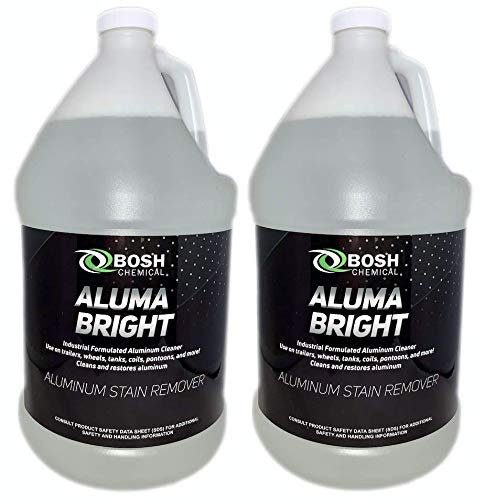
I opt for a gentle soap or a specialized cleaner designed for metal surfaces. Mixing water with white vinegar can be effective too. If tougher spots exist, an aluminum-safe cleaner assists in tackling stubborn areas.
Tools
A soft-bristle brush is crucial to avoid scratching the surface while scrubbing. Microfiber cloths efficiently wipe away debris and residues without leaving lint. Having a sponge handy allows for gentle application of cleaning solutions. For more resistant buildup, a plastic scraper helps in loosening grime without damaging the finish.
To protect my hands, I wear rubber gloves, and it’s wise to have safety goggles nearby to shield my eyes from splashes. A bucket serves as a convenient vessel for my cleaning solution.
By ensuring these supplies are ready, I streamline the process and focus on rejuvenating the surface effectively.
Test a Small Area Before Applying Cleaning Solutions
Always conduct a patch test. Select a discreet spot on your item and apply the cleaning solution. Monitor for any adverse reactions over 10-15 minutes. If the finish looks intact, proceed with the rest of the piece.
Follow these steps for an effective test:
- Choose a concealed area, such as the underside of a chair.
- Apply a small amount of the cleaner using a soft cloth.
- Gently rub the area, observing any changes or damage.
- Wait and check for color fading or bubbling.
- If no negative effects occur, it’s safe to use the solution on the entire surface.
If discoloration or wear appears during the test, set aside that cleaner. Research alternatives that offer a gentler approach.
Document your findings to share with others who may deal with similar items. This can save time and promote successful cleaning outcomes.
Choose the Right Cleaning Solution for Painted Aluminum
For optimal results, select a cleaner specifically formulated for non-ferrous surfaces. I prefer pH-balanced solutions, which are gentle enough not to damage the coating but strong enough to tackle discoloration. Read labels carefully; avoid abrasive or acid-based products that could compromise the finish.
Homemade Alternatives
I often mix equal parts of water and mild dish soap for a gentle yet effective homemade cleaner. This solution works wonders on light stains and provides a safe option for routine maintenance. For tougher marks, I add a splash of white vinegar, known for its natural cleaning properties.
Commercial Products
When choosing commercial cleaners, I recommend those specifically designed for outdoor finishes. Brands that focus on metal care often offer products that effectively lift grime without harming the paint. Look for options that highlight protective features to help maintain the surface in the long run.
Apply the cleaning solution and scrub gently
Once you’ve selected a suitable cleaning mixture, it’s time to apply it. Use a clean cloth or sponge to saturate the surface with the solution, ensuring even coverage. This will help loosen any unwanted particles. Allow it to sit for a few minutes, letting the solution penetrate thoroughly.
Afterward, take a soft-bristled brush or a non-abrasive scrubbing pad. With gentle pressure, begin to scrub the surface, working in small sections. This technique minimizes the risk of damaging the paint while effectively dislodging stubborn spots. Always maintain a light hand to avoid unnecessary scratches.
For stubborn areas, you might need to reapply the cleaning compound and repeat the scrubbing process. Regularly check the cloth or pad for debris buildup and rinse or change them as needed to maintain effectiveness.
| Step | Action |
|---|---|
| 1 | Apply cleaning solution evenly on the surface. |
| 2 | Let it sit for a few minutes. |
| 3 |
Gently scrub using a soft-bristled brush or non-abrasive pad. |
| 4 | Reapply if necessary for stubborn spots. |
| 5 | Check and clean your tools regularly. |
Rinse Thoroughly and Dry the Furniture
After applying the cleaning solution and scrubbing the surface, it’s crucial to eliminate any residue. I use a hose with a nozzle to rinse each section carefully, ensuring all cleaner and debris are washed away. This step prevents streaks and potential damage from leftover product.
For meticulous cleanup, I direct the water from the top down, allowing gravity to assist in removing dirt. Pay special attention to joints and crevices where grime might linger. Once rinsed, a microfiber cloth quickly absorbs excess water, preventing pooling and spotting.
Ensure Complete Drying
After rinsing, I advise giving the furniture adequate drying time outdoors, ideally in a sunny spot. Direct sunlight not only accelerates drying but also helps to prevent water spots. If the weather doesn’t permit, I wipe down surfaces thoroughly with a clean, dry towel, ensuring every inch is moisture-free. This step is vital for maintaining the integrity of the finish and keeping the surface looking pristine.
Reapply Paint or Protective Coating if Needed
After cleaning the surface and addressing any imperfections, assess whether a fresh layer of paint or sealant is necessary. Signs such as visible wear or fading indicate it’s time to enhance protection. Ensure that the chosen product is compatible with the material type.
Follow these steps for proper application:
| Step | Description |
|---|---|
| 1 | Choose a high-quality paint or coating specifically formulated for outdoor use. Look for UV resistance to prolong durability. |
| 2 | Thoroughly mix the paint or coating according to manufacturer instructions. Consistency is key for even application. |
| 3 | Apply with a brush or sprayer for smooth coverage. Use thin layers for best results, allowing each coat to dry completely before adding another. |
| 4 | Inspect the application for evenness, touch up any areas that require additional product to achieve uniformity. |
Allow sufficient drying time as indicated. Regular maintenance and periodic reapplication will keep the finish looking fresh and extend the lifespan of your outdoor items.
Maintain Your Outdoor Seating to Prevent Future Damage
Regular upkeep is crucial. I prefer to wipe down the surfaces after each use, especially if food or beverages were present. This step significantly reduces the risk of corrosion over time.
Utilize a soft cloth and mild soap solution for routine cleaning at least once a month. This prevents dirt accumulation and lets me spot any areas needing attention early.
- Store items indoors during harsh weather conditions.
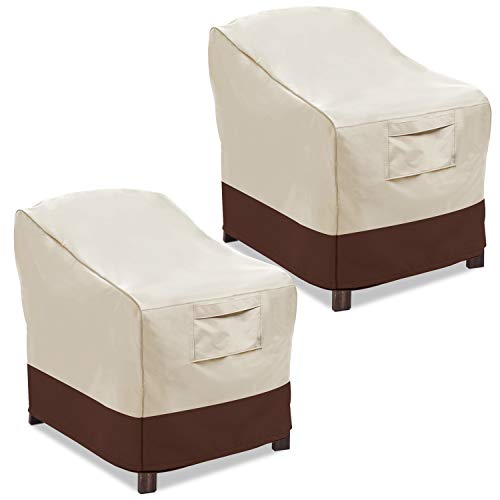
- Use protective covers when not in use, particularly during winter months.
- Inspect joints and connections regularly for signs of wear or damage.
Applying a protective wax or sealant every six months can add an extra layer of defense against environmental factors. I make sure to choose products specifically designed for outdoor materials.
For painted surfaces, I often schedule a reapplication of paint or finish approximately every three years. This ensures longevity and maintains the aesthetic appeal.
Finally, I always check for signs of wear promptly. Early detection allows me to address issues before they worsen, saving time and resources in the long run.