Caleb Turner

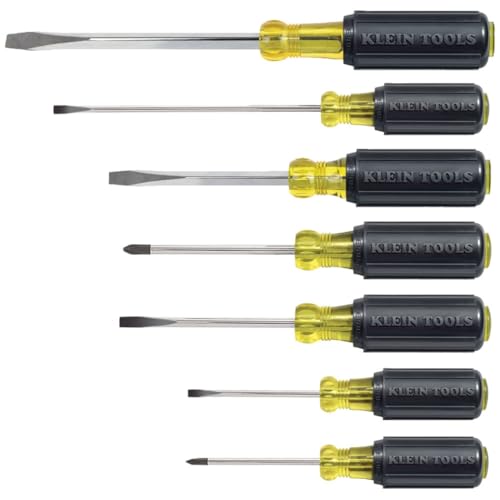
First, gather essential tools: a flat-head screwdriver, pliers, and a pair of safety goggles. Safety is key–protect your eyes from potential debris.
Carefully insert the flat-head screwdriver under the edge of the stud. Gently pry it upwards, being mindful of the upholstered surface beneath. If the stud resists, use the pliers for better grip, ensuring not to damage the surrounding material.
As you continue, work methodically–tackle one stud at a time. Keep a container handy to collect the pieces. Once all are detached, inspect the area for any lingering remnants and clean as needed for a smooth finish on your project.
Tips for Taking Off Decorative Upholstery Nails
Use a flathead screwdriver or a pair of needle-nose pliers to gently pry up each decorative nail. Carefully insert the tool beneath the head and lift it out slowly to avoid damaging the surface. Be patient; rushing can lead to scratches or dents in the surrounding material.
Preparation and Safety
Ensure you have safety goggles to protect your eyes from any flying debris while working. It’s wise to keep a soft cloth nearby to catch nails as they come loose, preventing them from bouncing around and causing injury. If the piece is large, consider laying it on a stable surface for easier access.

After Removal Steps
Once the decorative studs are taken out, examine the surface for any remaining bits. Remove any adhesive residue with a gentle adhesive remover or rubbing alcohol. Finally, consider reupholstering or touching up the area for a seamless finish.
Assessing Your Furniture Type
Identify the material and structure of your piece to tailor your approach effectively.
- Upholstered items typically have nails set into the fabric. A careful inspection of seams can reveal how deep they are embedded.
- Wooden constructs may have the fasteners drilled directly into the wood, which might require different techniques, like sanding or filling afterward.
- Vintage or antique designs often hold more value, demanding a gentler method to prevent damage to their integrity and historical worth.
Examine the overall design:
- For simple configurations, utilize a flathead screwdriver to gently pry out the elements.
- Complex cases may benefit from a more strategic approach, determining whether you can access the fastening points easily.
Taking the time to evaluate these factors can significantly impact the outcome of your project, ensuring a smoother process and preserving the quality of your item.
Gathering Necessary Tools for the Job
To tackle this task, I ensure I have a reliable pair of pliers. A flathead screwdriver comes in handy for prying up stubborn pieces. A hammer is also essential, especially if I encounter any bumps in the road. It’s wise to have a utility knife ready for cutting any threads or materials holding the accents in place.
I don’t forget protective gear like safety goggles to shield my eyes from flying debris. A dust mask can help if any particles are released during the process. Lastly, I keep a storage container nearby to hold any removed pieces, ensuring that they don’t get lost or damaged.
By preparing these specific tools ahead of time, I streamline the procedure and minimize frustration. This preparation allows me to stay focused on the task without interruptions.
Preparing the Work Area for Removal
Clear the surrounding area of any unnecessary items. This prevents distractions and hazards while I work on my piece.
Use a protective covering on the floor, like a drop cloth, to catch any debris or tools that might fall. This keeps the space cleaner and protects surfaces.
Ensure I have ample lighting; good visibility is crucial. Position a lamp or work light to illuminate the piece adequately.
If the furniture is large, I might want to position it in a well-ventilated area or outdoors to avoid inhaling any dust or particles during the process.
Prepare a designated spot for the tools and fasteners I’ll be using; keeping everything organized minimizes the risk of losing items and enhances efficiency.
Finally, wear safety gear such as gloves and goggles to protect myself from sharp edges or flying debris while I work on the project.
Identifying the Nailhead Trim Type
Begin by examining the individual pieces attached to your piece. Different styles may feature distinct designs and materials. Generally, trim can be categorized based on its shape, finish, and the way it is secured.
Common styles include:
| Type | Description |
|---|---|
| Round | This style features small, rounded pieces often made of metal. They are usually spaced evenly. |
| Flat | Flat pieces are often larger and provide a more traditional aesthetic. They may have various finishes like brass or chrome. |
| Stud | Studs are often larger than typical nailheads, giving a chunky appearance. They might include decorative elements. |
| Caps | Caps are similar to studs but possess a more distinct profile. They can sometimes appear as decorative buttons. |
Next, check the method of attachment. Some are hammered directly into the surface, while others might use adhesive or special clips. Identifying this can greatly impact the tools required for detachment. If it appears glued, prepare for a more intricate process, as heat may be needed to soften the adhesive.
Keep an eye on the spacing and alignment as well; irregularities might indicate a DIY approach or repairs done previously, providing insight into what you’re working with. This information can guide your approach, ensuring you choose the best method for the task ahead.
Carefully Removing the Nailheads
To extract the studs safely, I utilize a flathead screwdriver or a dedicated upholstery tool. I carefully insert the tool between the metal fastener and the material, gently prying upwards. It’s crucial to apply minimal force to avoid damaging the underlying surface.
As I work, I keep a steady hand to prevent slipping, which could cause scratches. I often start at one end, loosening each piece incrementally. If I encounter resistance, I check for any bonding agents that may be holding the component in place.
I recommend placing a drop cloth beneath to catch any debris or tools that may fall during the process. This keeps the workspace tidy and makes clean-up easier. Once the first few pieces come loose, I can continue along the line, maintaining the same careful technique.
After a few studs are removed, I gather them in a small container–this prevents loss and allows for easier reinstallation if needed. I ensure to be patient and methodical throughout, as rushing can lead to unwanted damage.
As I proceed, if any pieces are stubborn, I gently wiggle them back and forth to break the bond or loosen the grip on the fabric. Each stud that I successfully pull out brings me closer to achieving a fresh look for the piece.
Cleaning the Area After Removal
After extracting the decorative fasteners, my immediate task is to address any leftover debris. I begin by carefully inspecting the surface for any dust, dirt, or leftover materials. Using a soft cloth or microfiber rag, I gently wipe down the area, ensuring I pick up particles without scratching the finish.
If there are any adhesive residues, I apply a small amount of adhesive remover or rubbing alcohol to a cloth, dabbing it gently on the affected spots. After a few moments, I wipe it clean, being cautious not to saturate the wood or fabric.
In case of visible scratches or damage, I consider using wood polish or a touch-up marker that matches the original color. This helps to restore the piece’s appearance, maintaining its aesthetic value.
Finally, I take a moment to vacuum or sweep the surrounding area, ensuring no nails or sharp remnants are left behind. It’s essential to leave a clean workspace, both for safety and for the overall look of the redesigned piece.
Repairing Any Damage to the Upholstery
Begin by examining the affected area closely. Identify any tears, stains, or signs of wear that need attention.
For small tears, use a fabric adhesive or patch. Here’s a brief method:
- Clean the edges of the tear for better adhesion.
- Apply the adhesive carefully, pressing the edges together.
- Place a patch behind the tear if necessary, securing it in place with more adhesive.
If there are stains, treat them according to the fabric type. Test any cleaning solution in an inconspicuous area first.
- For synthetic fibers, a mild soap and water solution often works effectively.
- For natural fibers, consider using a specialized cleaner recommended for that material.
For deeper scratches or significant wear, consider reupholstering the affected segment. This can restore the piece to its original condition if the damage is extensive.
After repairs, ensure the area is completely dry before using the item again. This helps in achieving a seamless finish and maintains the integrity of the upholstery.
Replacing Nailhead Trim with Alternatives
I often explore various options to enhance the aesthetics of my upholstered pieces after removing the metal accents. One choice is using decorative upholstery tacks, which come in different styles and finishes, allowing me to customize the look while still providing a polished finish.
Another popular substitute is fabric-covered buttons. Applying these gives a softer appearance and works well with many fabric types. I stitch them onto key areas of the upholstery, creating a unique design element that draws the eye.
Consideration of Piping or Welting
Piping serves as a great alternative, offering a tailored edge to the furniture. I select a contrasting or coordinating fabric for the piping to delineate the seams, ensuring it complements my piece’s overall design. Welting can also add visual interest while maintaining a clean transition between elements.
Using Decorative Adhesive Trim
For a modern touch, I opt for adhesive decorative trims. These come in various materials such as leather, fabric, or metallics. They are easy to apply and can enhance the look without the need for extensive tools. Ensuring alignment and a flat surface during application delivers a refined finish.
Moreover, repurposing materials like ribbons or cords can create a unique texture. I often find thrifted materials that offer character and charm, making my furniture one-of-a-kind.
Ultimately, the choice of replacement depends on the style I wish to achieve, providing endless possibilities to reinvent my pieces creatively.
Maintaining Your Furniture Post-Removal
After completing the disassembly of decorative elements, it’s crucial to assess the surface for any lingering debris or imperfections. I ensure that I carefully vacuum the area to remove dust and leftover particles that may affect the upholstery’s appearance.
Next, I evaluate the fabric condition. If any stains appeared during the process, treating those promptly can prevent permanent marks. I utilize a fabric cleaner suited for the specific type of material, carefully following the manufacturer’s instructions.
To promote longevity, I apply a textile protectant. This forms a barrier against future spills and wear, keeping the upholstery looking fresh for an extended period.
Inspecting the structural integrity of the piece is essential. I check for any loosened joints or weakened areas that could require reinforcement. Tightening screws or using wood glue can prevent future issues.
Finally, considering customization options is an integral aspect of the ongoing care. I explore alternative decorative elements, such as different types of upholstery or stylish accents, to enhance the look while ensuring practicality. This proactive approach maintains both aesthetics and function seamlessly.