
 Caleb Turner

Using a pair of pliers is one of the simplest ways to tackle fastener extraction. Grip the head firmly and twist gently while pulling. This method often allows for a clean removal without damaging the surrounding material.
If pliers aren’t available, a flathead screwdriver can serve as an excellent alternative. Wedge the blade under the head and apply leverage carefully, popping the fastener out with minimal impact on the surface.


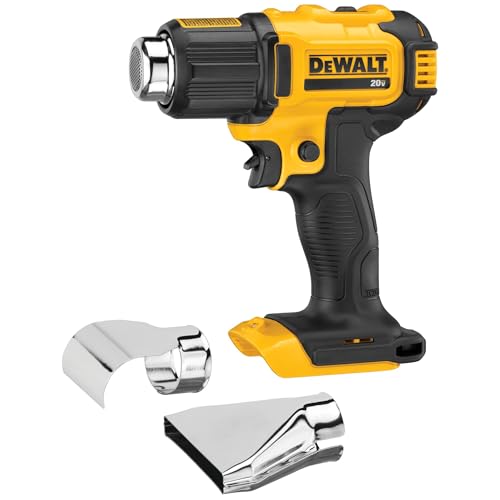
For those stubborn fasteners that seem resistant, heating the area with a heat gun can help. The heat softens any adhesive or wood finish, making it easier to pull the fasteners through without excessive force.
After extraction, sanding down the holes can ensure a smooth, blemish-free surface. A wood filler can also help in restoring the appearance of your piece, especially if the fasteners have left noticeable marks.
Removing Tacks from Upholstery
Use a flathead screwdriver to carefully pry underneath each tack. Apply gentle pressure to avoid damaging the surrounding material. For stubborn fasteners, a pair of needle-nose pliers can grip and pull them out while minimizing fabric tears.
Utilizing Heat and Moisture
Heat a steam iron and hover it above the fabric to soften the adhesive. This method is particularly useful if the nails have been glued in place. Once the material is warm, try pulling out the tacks using a gripping tool.
Alternative Techniques
If the previous methods are ineffective, a small chisel can be slid beneath the tack’s head to lift it out. Ensure that you apply minimal force to prevent any damage to the upholstery. If necessary, reinforce this process by using a gentle adhesive remover to dissolve any residual glue left behind.
Choosing the Right Tools for Removal
For an effective job, a combination of specialized equipment is key. I recommend a pair of pliers for gripping and pulling, and a flathead screwdriver for prying. Consider using a tack lifter for greater control and accuracy, especially in tight spots.
Essential Items
A hammer can be useful if you need to gently tap the tool for leverage. A utility knife might come in handy for cutting around any stubborn fabric or materials. Lastly, protective eyewear ensures safety during the process.
Optional Tools
If you encounter particularly stubborn fasteners, a heat gun may assist in loosening adhesive or finish. Additionally, a claw hammer or a combination of pliers with rubber grips can provide better handling and minimize damage to surrounding surfaces.
Preparing the Surface for Safe Removal
I recommend cleaning the area around the fasteners with a soft cloth to eliminate dust and debris. This step helps to avoid scratching the surrounding material when extracting the staples. If finishes appear old or worn, applying a small amount of wood conditioner can prepare the wood, cushioning the surface during the process. Before proceeding, inspect each fastening carefully. If any are rusted or corroded, consider applying penetrating oil to ease their extraction.
Protecting Surrounding Areas
Mask off adjacent surfaces with painter’s tape to shield them from any accidental damage. Use cardboard or a drop cloth to cover the surrounding area, catching any chips or pieces during the extraction. This precaution minimizes the risk of unwanted scratches and aids in a cleaner working environment.
Assessing Tool Readiness
Ensure that your tools are in good condition. A dull or damaged tool could lead to unnecessary surface harm. Keep a hammer and pry bar handy. Proper tools can streamline the task, reducing stress on both the material and the user.
Step-by-Step Guide to Extracting Nailheads
I begin by determining the location of the fasteners. A quick visual inspection often reveals their placements and arrangement. Once identified, I gather my tools: a claw hammer, pliers, and a flathead screwdriver.
Next, I carefully insert the flathead screwdriver into the space between the head and the surface. This requires gentle pressure to avoid damaging the underlying material. As I leverage the screwdriver, I place the claw hammer on the back of it to enhance my force, ensuring to control the angle to prevent splintering.
Once the head starts to lift, I switch to pliers for better grip. I clamp down on the exposed part and proceed to pull upwards in a steady motion. Consistent pressure helps in extracting the fastener smoothly.
If a nail head resists, I sometimes apply a little wood glue or adhesive to the area surrounding it. After allowing it to set briefly, I attempt extraction once more, leveraging the new grip.
In cases where the head breaks off, I use a drill to create a small pilot hole. This allows me to insert a screw extractor, enabling removal of the remaining piece without damaging the surrounding area.
- Always assess the condition of the surface surrounding the fasteners.
- Utilize protective eyewear to shield against flying debris during extraction.
- Be mindful of underlying structure, ensuring not to puncture any hidden components.
Finishing touches include cleaning the area with a damp cloth to remove any dust or debris from the extraction process. This ensures a tidy workspace.
Handling Stubborn Fasteners Without Damage
Utilizing a heat source can often aid in loosening tightly secured fasteners. A heat gun or hairdryer applied for a few seconds can expand the metal and facilitate removal, minimizing the risk of damage to the surrounding material. Always maintain a safe distance to prevent scorching the surface.
Leverage a Lubricant
Applying a penetrating oil around the fastener may help break the bond. A few drops directly on the shaft can soak in and aid in loosening any rust or debris. Allow it to sit for a short period for optimal results.
Try Alternative Tools
If traditional extraction tools aren’t effective, consider using a pair of pliers. Gently gripping the end of the fastener with pliers and twisting can sometimes provide the necessary leverage for extraction. Be cautious not to slip and damage the surrounding area.
Cleaning Up After Nailhead Removal
After extracting those metal fasteners, it’s important to address the leftover mess efficiently. Start by assessing the area for any debris or tools that might have been dropped during the process.
Gathering Materials
- Soft cloth or microfiber towel
- Vacuum cleaner with a hose attachment
- Wood polish or cleaning solution
- Paint touch-up kit if necessary
Steps to Clean
- Use the vacuum cleaner to remove any tiny bits of metal or dust around the extraction site.
- Wipe the surface with the soft cloth to pick up remaining particles and fingerprints.
- If the area shows signs of wear or damage, apply wood polish or a suitable cleaning solution to restore its appearance.
- Consider using a paint touch-up kit for any scratches or marks left behind after the fastener extraction.
Lastly, ensure that all tools used in the process are returned to their proper storage to prevent any future accidents. Maintain cleanliness for ongoing furniture care.
Repairing Any Damage to Furniture After Removal
Address visible imperfections promptly to restore the appearance of the item. For minor scratches or dents, use wood filler to fill any gaps left behind. After applying the filler, ensure it’s level with the surrounding surface by smoothing it out with sandpaper once dry.
Steps for Repairing Surface Damage
1. Clean the area: Remove dust and debris from the surface.
2. Apply wood filler: Choose a shade that matches the existing finish for a seamless look.
3. Sand it down: After curing, sand the filled area gently until it is flush with the surrounding wood.
4. Touch up with finish: Apply a matching wood stain or paint to blend in with the original color.
5. Seal it: Consider applying a clear coat for protection and longevity.
Assessing Further Damage
If there are more significant repairs needed, inspect joints or structural components for any loosening. Tighten screws or re-glue joints as necessary. For serious dents or gouges, consider professional refinishing services to return the item to its original glory.
| Damage Type | Repair Method | Recommended Tools |
|---|---|---|
| Scratches | Wood filler | Sandpaper, stain |
| Dents | Steam treatment or filler | Iron, damp cloth |
| Loose joints | Re-gluing | Wood glue, clamps |
| Gouges | Professional refinishing | N/A |
With attention to detail, your piece can regain its former elegance after addressing any damage effectively.
Tips for Preventing Nailhead Damage in the Future
Invest in high-quality upholstery materials. Durable fabrics resist wear and minimize the risk of damaging hardware during cleaning or maintenance.
Regularly check the placement of decorative elements before moving any items. Keeping furniture in stable positions prevents accidental bumps that might lead to issues.
Utilize Protective Covers
Apply fabric or leather guards to shield surfaces from scratches or dents caused by heavy objects. This simple step can save significant repair efforts later.
Implement Careful Handling Techniques
Always lift rather than drag when repositioning. Use coasters and pads under heavy items to distribute weight evenly and avoid placing stress on delicate areas.
Routine maintenance ensures that all attachments remain secure. Periodically inspect and tighten or adjust any loose fittings to minimize movement.
Educate family members and guests about the importance of gentle handling of your possessions. Simple awareness can significantly decrease the risk of unintentional damage.


