
 Caleb Turner
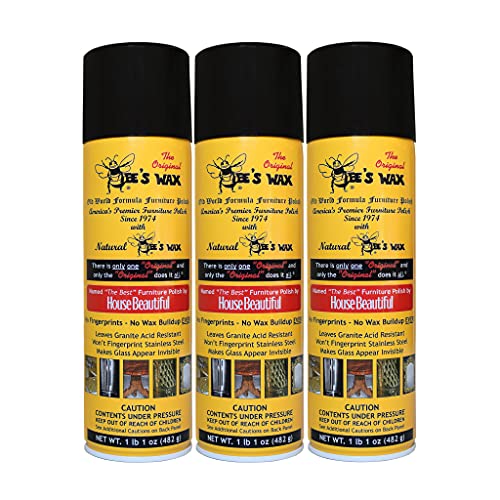
If you find yourself dealing with stubborn residue on your cherished wooden piece, start with an acetone-based nail polish remover. Apply a small amount to a cloth and dab gently on the affected area. This solvent works effectively in breaking down the sticky substance without harming the finish, but avoid saturating the wood.
After softening the residue, utilize a plastic scraper or an old credit card to carefully lift the adhesive away. Always scrape in the direction of the grain to minimize the risk of scratches. If any leftover marks remain, repeat the application of the solvent as needed until the surface is clean.
Once the area is clear, ensure to wipe it down with a damp cloth to remove any remaining solvent, followed by a dry cloth for a polished finish. If your wooden item appears dull after this process, consider applying a wood conditioner or polish to restore its luster.
Removing Adhesive Residue from Surfaces
I recommend applying a small amount of rubbing alcohol to a soft cloth. Gently dab the area where the residue is located. Avoid soaking the surface; the goal is to soften the adhesive without damaging the finish.
After a few moments, use a plastic scraper or an old credit card to carefully lift the softened material. Be cautious and work in the direction of the grain to minimize any potential scratches.


Using Oil or Vinegar
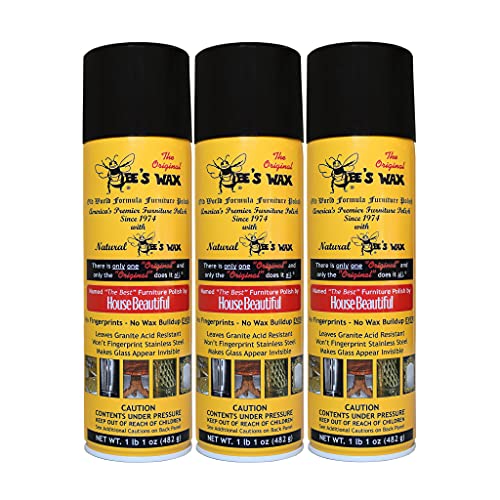
An alternative method involves using cooking oil or white vinegar. Apply a few drops directly onto the affected area. Let it sit for several minutes, then use a cloth to wipe away the adhesive. This can be particularly effective for tougher spots.
Finishing Touches
Once the residue is gone, clean the area with soapy water to remove any remaining oil or vinegar. Dry thoroughly to prevent moisture damage. If the surface appears dull afterward, consider applying a suitable polish for restoration.
Identify the Type of Wood Finish
Recognizing the specific finish on your surface plays a significant role in addressing adhesive challenges effectively. The approach can vary greatly, depending on whether the coating is oil-based, water-based, lacquer, or varnish.
To determine the finish, consider following these steps:
- Visual Inspection: Look for a sheen or gloss. Oil finishes usually have a warm glow, while water-based products often appear clearer and shinier.
- Touch Test: Run your fingers over the surface. Oily finishes feel smooth and slightly greasy, while lacquer finishes may feel harder and cooler.
- Solvent Test: Apply a small amount of denatured alcohol or acetone on a hidden area. If the finish softens or dissolves, it’s a lacquer or shellac. If not, it’s likely an oil-based or water-based type.
Understanding the type can guide your efforts and prevent damage during any cleaning process. Different finishes react distinctly to solvents, so knowing what you’re dealing with matters significantly.
Choose Appropriate Glue Removers
For a successful approach to the situation, selecting the right type of adhesive solvent is paramount. I recommend starting with acetone or nail polish remover, as these are strong solvents that often break down a variety of adhesives effectively. Ensure the product is suitable for your specific surface type; checking the label helps avoid damage.
Natural Alternatives
Moreover, if you prefer eco-friendly solutions, olive oil or coconut oil can be surprisingly effective.
These oils can help soften the adhesive, making it easier to wipe away debris without harming the underlying material. Just apply a small amount and let it sit for a few minutes before attempting to clean.
Testing and Application
Before applying any remover, testing it on a hidden area is crucial. This ensures compatibility with the finish and prevents unnecessary damage. Once verified, I apply the chosen product using a soft cloth or cotton ball, allowing it to penetrate the hardened substance before gently scraping if needed. Patience is essential, as multiple applications may be required for particularly stubborn residues.
Test Remover on a Hidden Area
I recommend applying any selected solvent to a discreet section of the surface before proceeding with a larger area. This will ensure compatibility with the finish and prevent potential damage or discoloration.
Steps for Testing
1. Choose an inconspicuous spot, such as the back of a leg or a corner underneath.
2. Dampen a cotton ball or cloth with the remover.
3. Gently rub the hidden area for a few seconds, observing the surface’s reaction.
Evaluate Results
After a few moments, check for any changes in texture or color. If everything appears intact, it’s safe to proceed on the main surfaces. If there’s any sign of damage, reconsider your choice or explore alternative methods.
Apply the Remover with Care
Utilize a clean, soft cloth or cotton swab to delicately apply the chosen solvent. This ensures precision and prevents damage to surrounding surfaces. Instead of saturating the cloth, dampen it lightly to control the amount of product used.
Work in small sections to monitor the reaction of the finish under the solvent. I always recommend that, if any discoloration or adverse reaction occurs, stop immediately. Allow the area to dry thoroughly before proceeding, as this will give you a better understanding of any changes to the surface.
Use gentle, circular motions to lift the unwanted substance, applying slight pressure as necessary. Avoid aggressive scrubbing, as this can scratch or mar the finish. Always prioritize a gentle touch, ensuring maximum care in maintaining the integrity of your item.
If the sticky residue persists after the first application, wait a moment and then repeat the process. Patience plays a crucial role; rushing can lead to mistakes that may require further repairs.
Scrape Off the Glue Residue
Begin with a plastic scraper or an old credit card to gently lift the adhesive without damaging the finish. Apply minimal pressure and work at an angle to avoid gouging the surface.
Follow these steps for effective scraping:
- Position the scraper’s edge underneath the residue.
- Move it carefully back and forth to dislodge the material.
- Continue until the bulk of the substance is removed.
Should the residue persist, consider repeating the application of your chosen solvent. Allow it to penetrate the adhesive, then proceed with scraping again.
Avoid metal scrapers, as they can easily scratch or harm the finish. Take your time; hastiness may lead to additional damage.
Once finished, wipe the area with a clean, damp cloth to eliminate any debris or solvent traces. This will also help restore the original sheen.
Clean the Surface After Removal
After extraction, I wipe the area using a damp microfiber cloth to eliminate any leftover residue. This action helps restore the surface’s clean appearance and preps it for further treatment if necessary.
Inspect and Condition
I closely examine the surface for any signs of damage or discoloration. If needed, I apply a wood conditioner to nourish the area. This step ensures the finish maintains its integrity and luster.
Polishing for Shine
Next, I use a suitable wood polish to enhance the overall shine. I apply it using a soft cloth, working in the direction of the grain. This helps preserve the finish while providing a protective layer against future wear.
| Task | Details |
|---|---|
| Wipe Down | Use a damp microfiber cloth. |
| Inspect Surface | Look for damage or discoloration. |
| Apply Conditioner | Nourishes and protects the finish. |
| Polish | Enhance shine with appropriate wood polish. |
Repair Any Damage to the Finish
To address the affected surface, examine the finish for scratches, discoloration, or dullness. Selecting a suitable wood finish repair kit can be a practical step. These kits typically include color-matching markers, stains, and sealing agents designed to blend imperfections seamlessly.
For minor scratches, I usually apply a color-matching marker directly onto the blemish. Let it dry and then buff lightly with a soft cloth to blend it in. If the damage is more extensive, using a wood stain in a matching shade can help restore the visual appeal.
For deeper scuffs or dents, consider using a wood filler. Apply the filler according to package instructions, ensuring it aligns with the surrounding finish. Once it dries, sand it lightly to ensure a smooth surface, and apply an appropriate topcoat to protect the repair.
After completing the repairs, it’s beneficial to polish the entire area. A moisturizing wood conditioner can enhance the shine and ensure a uniform appearance. Regular maintenance will help to prevent future damage and keep the furniture looking its best.
Prevent Future Adhesive Accidents
I always keep adhesive products in a designated area away from my workspaces to minimize the risk of spills. I store them in a sealed container to prevent mishaps. Additionally, I utilize protective materials like drop cloths or newspapers on surfaces before starting any project. These simple precautions can save time and effort later.
Regular inventory checks on my supplies help in ensuring I only have what I need. Keeping outdated or unused products away reduces potential accidents. I also make a habit of always having tools like a small cloth or paper towel nearby when handling adhesives, so clean-up can happen immediately if any drips occur.
Training others who use the same space about safe practices leads to less likelihood of mistakes. Creating a guideline for handling adhesives can be beneficial. When I involve others, it fosters a responsible environment and minimizes errors.
Installing shelves or cabinets specifically designed to hold such items, away from high-traffic areas, is another effective strategy. This keeps everything organized, allowing for easy access while ensuring safety. Lastly, I remain mindful of my surroundings when working, as awareness greatly reduces the chance of accidental spills.
Consider Professional Help if Necessary
If I find that home methods are insufficient for tackling the residue on my treasured pieces, seeking the expertise of a professional is a wise choice. These specialists possess the training and specialized tools to handle stubborn situations effectively, minimizing the risk of damage.
Before engaging a service, I assess their experience with similar materials and conditions. Checking reviews and requesting before-and-after photos can provide insights into their proficiency. It’s also important to confirm that they use safe techniques tailored for delicate surfaces.
During the process, I ensure open communication with the professional, discussing specific expectations and potential outcomes. This approach helps in understanding the methods they plan to use and reinforces trust in their capabilities.
Moreover, if the damage is particularly extensive or unique, getting a second opinion could be beneficial. Multiple assessments can shed light on the best strategies to restore my items, ensuring I make informed decisions.
Ultimately, I weigh the value of my belongings against the investment in professional help, recognizing that sometimes expert intervention is the best route to preserving their beauty and integrity.


