
 Caleb Turner

Begin with a solution of equal parts white vinegar and water. Apply this mixture to a clean cloth, and gently blot the affected area. The acidity in the vinegar works to neutralize the unsightly marks, making it a powerful ally in this task.
Next, sprinkle baking soda directly onto the damp spot. Let it sit for at least 15 minutes. This process not only absorbs any residual moisture but also helps lift the discoloration. Afterward, vacuum the area to remove the baking soda residue.
For particularly stubborn issues, consider using a mixture of mild dish soap and warm water. Dampen a cloth with this solution, making sure it’s not overly soaked, and gently scrub the area in a circular motion. Rinse with a clean, damp cloth to eliminate any soap residue.


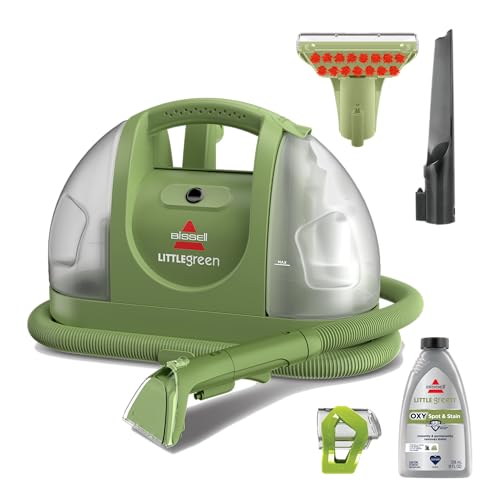
Complete the cleaning regimen by allowing the upholstery to dry completely. If possible, expose the area to sunlight to enhance the drying process, as UV rays naturally contribute to the eradication of lingering odors and imperfections.
Removing Discoloration from Textiles
To effectively eliminate unwanted marks on your upholstery, I recommend creating a cleaning solution using equal parts vinegar and water. Dampen a cloth with this mixture and gently blot the affected area, avoiding any rubbing that could push the residue deeper into the fibers.
Following this, sprinkle a small amount of baking soda on top of the dampened area. This will absorb moisture and neutralize odors. After letting it sit for about 15 minutes, vacuum the area to lift the baking soda and any loosened particles.
Alternative Solutions
If the previous method proves inadequate, consider using hydrogen peroxide. Dilute it with water in a 1:1 ratio and apply it to the marked area using a cotton ball or soft cloth. Be cautious and test it on a hidden section first to ensure colorfastness.
| Cleaning Agent | Application Method | Effectiveness |
|---|---|---|
| Vinegar and Water | Dampen cloth, blot area | Good for light discoloration |
| Baking Soda | Sprinkle, let sit, vacuum | Excellent for odor absorption |
| Hydrogen Peroxide | Dilute, apply with cotton ball | Effective for stubborn marks |
Finally, ensure to properly air dry the cleaned area. Avoid direct sunlight which could lead to fading. Regular maintenance will help keep your upholstery looking fresh and prevent future occurrences of similar issues.
Identify the Type of Fabric Before Cleaning
Determine the material of your upholstery to choose the right cleaning approach. Common types include cotton, polyester, leather, and blends. Each type displays unique characteristics, influencing the method and products suited for treatment.
Check Care Labels
Before diving into care, examine the care labels attached to your pieces. These labels provide specific instructions on cleaning and drying methods recommended by the manufacturer. Adhering to these guidelines helps prevent further damage.
Conduct a Fabric Test
For unfamiliar materials, perform a spot test in an inconspicuous area. Apply a small amount of cleaning solution to see how the fabric reacts. This can help prevent adverse reactions such as discoloration or shrinking.
Understanding the fabric allows for informed decisions in cleanup efforts, enhancing the likelihood of success while preserving the quality of your items.
Gather Necessary Cleaning Supplies
To tackle the task effectively, I gather the following items: an upholstery cleaner specifically designed for delicate materials, rubber gloves to protect my hands, and a soft-bristled brush to gently work the cleaning solution into the fabric. I also keep a spray bottle handy for any homemade cleaning solutions, such as a mixture of white vinegar and water, which helps break down unwanted elements.
Absorbent Cloths and Towels
For blotting excess moisture, I ensure I have clean, absorbent cloths or towels ready. Microfiber cloths work particularly well due to their ability to soak up liquid without leaving lint behind.
Drying Materials
After cleaning, it’s important to dry the area properly. I use a fan or a hairdryer set to a cool setting to expedite the drying process, preventing any chance of lingering dampness.
Test Cleaning Solutions on a Small Area
Choose an inconspicuous spot to assess your cleaning agent. Apply a small amount using a clean cloth and gently blot the area.
Observe for any adverse reactions such as discoloration or fabric damage over a few minutes.
Proceed with these steps:
- Select a clean cotton cloth or sponge for application.
- Use a minimal amount of the solution to avoid saturation.
- Wait and observe for any changes.
If the test area remains unaffected, continue with a broader treatment. In case of issues, try diluting the cleaner or testing an alternative. Prioritize fabric safety before broader application.
Record the results to reference later, ensuring consistency in your approach.
Apply the Cleaning Solution to Contaminated Areas
I recommend tackling each affected section methodically. Spray the prepared cleaning mixture directly onto the targeted spots, ensuring a light but thorough application. Avoid soaking the material, as excessive moisture can lead to further issues. Use a clean cloth or sponge to gently dab the area, working from the outside of the spot inward to prevent spreading.
Allow Solution to Sit
<p.Let the cleaning agent sit for 10-15 minutes. This duration will enable the solution to break down the discoloration effectively. Keep the area well-ventilated to promote drying and minimize any lingering scents from the cleaner.
Blotting and Rinsing the Spot
<p.After the waiting period, utilize a fresh damp cloth to blot the treated region. I advise rinsing with plain water to eliminate any residue from the cleaning agent. Ensure to repeat this process as necessary until the area appears clean. Always finish by allowing the material to air dry completely before using the piece again.
Scrub Gently and Rinse the Affected Area
The key is to apply gentle pressure while scrubbing the area. I use a clean sponge or soft-bristle brush to prevent damaging the fibers. Start from the outer edge of the affected spot and move inward to avoid spreading any remnants.
Recommended Movement
I find circular motions to be the most effective, as they help lift the discolored particles without causing fraying. Be patient; take your time, ensuring that I don’t oversaturate the fabric with excessive moisture.
Rinsing Process
After scrubbing, it’s crucial to rinse the area with a damp cloth. I use plain water, ensuring all cleaning solution residues are removed. This step helps prevent any potential chemical reactions with the fabric over time.
Dry the Fabric Thoroughly to Prevent Regrowth
After treating the upholstery, it’s crucial to ensure it dries completely. Moisture provides an ideal climate for unwanted organisms to thrive, which can easily lead to recurrence. I usually open windows and use fans to improve airflow, speeding up drying. If possible, I set the furniture outside in the sunlight, as UV rays help eliminate any lingering spores.
Methods for Effective Drying
For upholstered pieces, I employ a wet-dry vacuum to extract any remaining moisture. Alternatively, I use absorbent towels to blot areas, carefully avoiding excessive rubbing. It’s important to ensure that cushions and pillows are also dried thoroughly, as they can trap moisture inside. I often check underneath removable covers for hidden damp spots.
Monitoring for Moisture
Even after drying, I keep an eye on the area for a few days. Any signs of dampness or unpleasant odors indicate that further action is needed. If I suspect residual moisture, I might consider using a dehumidifier in the room to enhance drying conditions. Regular checks can help catch any potential issues before they escalate.
Maintain a Mold-Free Environment in Your Home
Ensure proper ventilation in all rooms. Open windows during dry days and utilize exhaust fans in bathrooms and kitchens. This reduces humidity, which is vital for inhibiting fungal growth.
Regularly check for leaks in pipes or roofs. Addressing these issues immediately prevents moisture accumulation, a primary factor in spore proliferation.
Consider using a dehumidifier in particularly damp spaces, such as basements or laundry rooms. Setting the humidity level below 60% significantly hinders the development of unwanted fungi.
Encourage frequent cleaning routines. Dust and vacuum areas where organic materials can collect, such as upholstery, carpets, and within the crevices of furniture. This minimizes potential breeding grounds.
When storing items, ensure that they are kept in dry, cool places. Use airtight containers for clothing and fabrics, as introducing air can carry spores.
Regularly inspect your home for visible signs of fungus growth. Early detection allows for swift action, preventing larger infestations.
Utilize natural antifungal solutions like vinegar or tea tree oil during cleaning. These can provide an extra layer of protection against unwanted spores.
Incorporate plants known for their air-purifying qualities, such as peace lilies or spider plants. These can improve indoor air quality and help with moisture absorption.
Educate family members about the signs of humidity problems. Collective awareness leads to a proactive approach in maintaining a clean, safe living space.
FAQ:
What are the best methods to remove mold stains from my fabric furniture?
There are several effective methods to remove mold stains from fabric furniture. One popular option is to mix equal parts of water and white vinegar in a spray bottle. Spray the affected areas and let it sit for about 10-15 minutes before blotting with a clean cloth. Another method is to create a solution using soap and water; just ensure it is not too wet to avoid saturating the fabric. For more stubborn stains, a diluted hydrogen peroxide solution can be used, but you should first test it on a hidden area to check for colorfastness. Once the stains are removed, allow the fabric to air dry completely.
Can I use bleach to get rid of mold stains on my fabric furniture?
Using bleach on fabric furniture is generally not recommended, as it can damage the fibers and cause discoloration. Instead, opt for vinegar or hydrogen peroxide as safer alternatives. If you do decide to try bleach, make sure to dilute it significantly and perform a patch test in an inconspicuous area first. Some fabrics, especially colored ones, can react poorly to bleach, so caution is advised.
What precautions should I take while cleaning mold stains from furniture?
When cleaning mold stains, it is important to wear protective gear, such as gloves, a mask, and possibly goggles, to avoid exposure to mold spores. Ensure that the area is well-ventilated by opening windows or using fans. If the stains are extensive or if the fabric has a strong mildewy smell, consider consulting a professional cleaner who specializes in upholstery. Additionally, always test any cleaning solution on a small, hidden area of the fabric before applying it to the entire stain.
Are there any homemade solutions that work well for removing mold?
Yes, there are several effective homemade solutions for removing mold. A mixture of baking soda and water creates a paste that can be scrubbed onto the stained area with a soft brush. Alternatively, lemon juice combined with salt can provide a natural bleaching effect without harsh chemicals. These methods are not only effective but also eco-friendly, making them suitable options for fabric furniture.
How can I prevent mold from appearing on my fabric furniture in the future?
To prevent mold from forming on fabric furniture, maintain a low humidity environment by using dehumidifiers or air conditioners, especially in damp areas. Regularly clean and vacuum your furniture to remove dust and dirt that may harbor mold spores. Additionally, ensure that your home is well-ventilated, and avoid placing fabric furniture in areas with poor air circulation, such as basements or closets. If an area tends to get damp, consider using mold-resistant sprays on the fabric as a precautionary measure.
What are the best methods to remove mold stains from fabric furniture?
There are several effective methods to treat mold stains on fabric furniture. One popular approach is to use a mixture of white vinegar and water. Combine equal parts vinegar and water in a spray bottle, spray the stained area, and then blot with a clean cloth. This method not only helps to lift the stains but also neutralizes the mold’s odor. Another option is to create a paste using baking soda and water. Apply the paste to the affected area, let it sit for about 30 minutes, and then scrub gently before rinsing with a damp cloth. For tougher stains, consider using a commercial upholstery cleaner designed to target mold. Always test any solution on an inconspicuous area first to ensure it does not damage the fabric.
How can I prevent mold from returning on my fabric furniture?
To prevent mold from coming back on your fabric furniture, it’s essential to manage moisture levels in your home. Regularly check for leaks or areas where water may accumulate, as humidity can contribute to mold growth. Using a dehumidifier in rooms with high moisture, such as basements or bathrooms, can significantly reduce the risk. It’s also helpful to ensure that your furniture is well-ventilated; avoid placing it too close to walls or in damp corners. Additionally, consider using a fabric protector that is resistant to mold and mildew, as this can create a barrier against future stains. Regular cleaning of your furniture can also help, as it removes dust and allergens that may promote mold growth.


