
 Caleb Turner

Begin with the application of a concentrated solution of vinegar and water, ideally in a 50:50 ratio. Use a soft cloth or a spray bottle to treat the affected area. The acidity of the vinegar serves to repel undesirable critters effectively, while also disinfecting the surface.
Follow up by inspecting the item for signs of any wood-boring creatures. Look for tiny holes or powdery residue near the grain. It’s important to treat these spaces with a specified wood treatment product. Such treatments penetrate deep into the material, providing long-lasting protection against future invasions.


Consider utilizing natural repellents, such as essential oils like peppermint or tea tree. These oils can be mixed with water and applied to the surface. Their strong scents act as deterrents, keeping harmful agents at bay. Always ensure that the space is well-ventilated after application to avoid overwhelming odors.
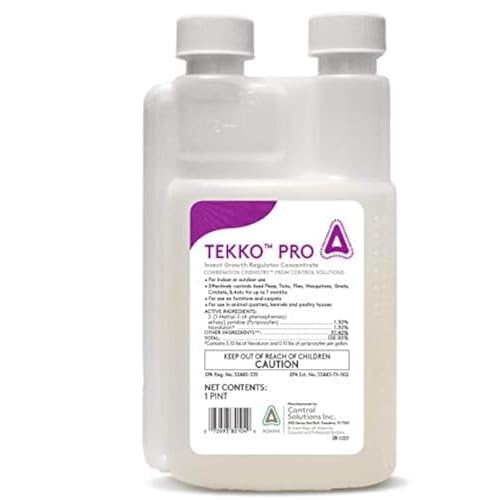
If the situation persists, consider turning to commercially available pesticides specifically designed for timber care. Read and follow the manufacturer’s instructions thoroughly to ensure safety and effectiveness in your approach.
Procedure for Eliminating Pests from Timber Constructs
Utilize a mixture of vinegar and water in equal parts, applying it to affected areas with a cloth. This solution disrupts the breeding cycle.
Next, consider essential oils like tea tree or lavender. These oils have properties that repel unwanted guests while leaving a pleasant scent.
- Combine a few drops of essential oil with water in a spray bottle.
- Aerosolize the mixture onto the surfaces and into nooks and crannies.
Employ diatomaceous earth. A finely powdered form of silica, it acts as a desiccant.
- Sprinkle it generously in areas where you observe activity.
- Leave it for several days before vacuuming it up.
Vacuum frequently, paying attention to joints and seams. This helps remove any visible remnants and eggs.
Incorporate preventative treatments, such as regular inspections and maintaining a dry environment. A dehumidifier can be beneficial in damp areas.
Seal cracks and crevices with wood filler to eliminate potential entry points for future invaders.
Identify the Type of Insect Infesting Your Furniture
First, examine the affected area for visible signs. Look for small holes or frass, which resemble wood dust, typically located near entry points. These indicators can reveal the type of pest present.
Commonwood Pests
Bed bugs are usually found in seams and crevices. Their droppings appear as small black spots on surfaces. Termites create larger exit holes and leave behind a thin layer of sawdust. Wood-boring beetles produce tiny holes and frass; these can vary in size based on the beetle species.
Observation Techniques
Utilize a magnifying glass for better detail examination. Look for distinct patterns on exoskeletons or larvae. Taking photos can assist in identifying the pest later. Each type has unique characteristics that can aid in appropriate treatment approaches.
Gather Necessary Tools and Materials for Treatment
For effective intervention, gather the following items:
Tools
| Tool | Purpose |
|---|---|
| Screwdriver | To disassemble parts of the piece for thorough inspection. |
| Brush | To apply treatment solution to crevices and surfaces. |
| Vacuum Cleaner | To remove debris and dust from affected areas. |
| Spray Bottle | For applying liquid treatments evenly. |
| Gloves | To protect hands while handling chemicals and materials. |
Materials
| Material | Description |
|---|---|
| Pesticide | Targeted formulation for eradicating pests. |
| Wood Treatment Oil | To condition and protect the surface after treatment. |
| Sealant | To seal any openings after treatment to prevent reinfestation. |
| Soap and Water | Basic solution for cleaning before applying any chemicals. |
Having these tools and materials ready ensures a systematic approach to address the issue effectively and efficiently.
Use Natural Remedies to Deter and Kill Insects
Peppermint oil is an excellent deterrent. I mix 10-15 drops with water in a spray bottle and apply it directly onto the affected areas. This not only drives pests away but leaves a refreshing scent as well.
Clove oil serves as a powerful solution too. I create a mixture of half a cup of water and 1 teaspoon of clove oil, then spray it where needed. Its strong aroma disrupts the life cycle of many critters.
Combine with Diatomaceous Earth
Diatomaceous earth can be a game-changer. I sprinkle this fine powder on surfaces and in corners. The sharp particles lacerate the exoskeletons of many small creatures, leading to their elimination over time.
Utilize Vinegar Solutions
A vinegar solution is another handy tool. Mixing equal parts water and white vinegar in a spray bottle provides a natural repellent. I spray this solution around vulnerable areas, effectively discouraging any unwelcome visitors.
Apply Chemical Treatments Safely and Effectively
Before applying any chemical treatment, I ensure proper ventilation. Opening windows and using fans helps disperse fumes. I wear personal protective equipment like gloves and masks to reduce exposure. Understanding the instructions on the label is vital for an accurate and safe application.
I prefer spot testing on a small, inconspicuous area before full application to check for any adverse reactions. Following the manufacturer’s recommendations regarding dosage and application method maximizes safety and efficacy.
If using a liquid solution, I use a fine spray bottle or a brush for precision. This approach minimizes drips and ensures targeted coverage. For powders, I wield a dust applicator to distribute evenly without creating excessive mess.
After treatment, I allow ample drying time. I wait as indicated in the product information, avoiding contact to ensure the chemicals settle properly. Storing leftover products securely, away from children and pets, is crucial for ongoing safety.
Regularly monitoring the treated area helps identify any signs of reinfestation. If necessary, I repeat the treatment process as per guidelines, paying careful attention to any increased resistance to the chemical. Tracking my results enables me to adapt my approach for future preventative measures.
Inspect and Treat Nearby Areas for Infestations
Focus on checking all surfaces close to the affected item. Pay special attention to baseboards, wall corners, and the floors beneath your valuable pieces. Insects may not only inhabit the furniture but can also establish colonies in the surroundings.
Utilize a flashlight to examine dark or hidden spots where pests might be lurking. Inspect cracks in the walls and gaps between floorboards. Be thorough in checking any neighboring items, as they could be transferring the issue.
If activity is detected, vacuum these areas meticulously. Use a brush attachment to dislodge any hidden pests or eggs. Ensure the vacuum bag is sealed and disposed of outside to prevent re-infestation within your home.
After vacuuming, consider applying suitable treatments in the vicinity. This might involve natural solutions like diatomaceous earth, sprinkled in problem areas, or targeted chemical sprays designed for surrounding spaces. Always follow instructions on product labels, ensuring safety for inhabitants.
Regular audits of these adjacent areas should be part of ongoing maintenance. Keeping a clean environment reduces the chances of a recurrence, creating an inhospitable habitat for any unwelcome organisms.
Repair Damage Caused by Insects to Preserve Furniture
I recommend assessing the extent of the harm before proceeding with repairs. Start with minor surface scratches and deformations resulting from pest activity. A wood filler can effectively patch small holes; choose a color that matches the original finish. Apply it with a putty knife, ensuring the surface is smooth and even. Once dried, sand the area gently to blend it seamlessly.
If the wood is severely compromised, a more intensive approach may be necessary. Consider replacing sections of wood that are overly damaged. Measure the area accurately, then cut the new piece to fit snugly. Fasten it with wood glue or screws for stability.
In cases where the finish has been marred, I suggest refinishing the entire piece to restore its original luster. Begin by using a stripper to remove old varnish, then lightly sand the surface to prepare it. Apply a new stain and finish according to your preference, ensuring even coverage and a lasting seal.
Regular maintenance is vital. I recommend applying a wood conditioner periodically to protect against future damage. Additionally, consider placing preventative measures, such as silica gel packs or essential oils, around the area to discourage future infestations.
Finally, inspect your other wooden items and the surrounding environment for signs of recurrence. Taking proactive steps ensures the longevity and beauty of your possessions.
Prevent Future Infestations with Proper Care
Establishing a regular maintenance routine is crucial. I ensure to clean surfaces frequently, focusing on corners and joints where debris might accumulate. Vacuuming not only removes dirt but also dislodges eggs or larvae that may be hiding.
Maintain Optimal Humidity Levels
Controlling humidity is essential for preserving my wooden items. I employ dehumidifiers in damp areas and monitor indoor moisture with a hygrometer. Keeping humidity between 30-50% helps deter unwanted pests.
Store Properly
For items not in use, I use airtight containers or bags to limit exposure. Additionally, I place cedar blocks or lavender sachets in storage spaces for natural repellent properties.
- Inspect new acquisitions before bringing them home.
- Seal cracks and crevices in walls and flooring where critters can enter.
- Regularly check for signs of infestation, such as small boreholes or sawdust.
By implementing these practices, I significantly reduce the chances of facing future infestations, ensuring my wooden treasures remain in excellent condition for years to come.
Monitor and Maintain Your Furniture Regularly
I recommend conducting routine checks on your furnishings every few months. Look for signs of damage or unusual patterns on the surfaces, as these may indicate underlying issues. Keeping a record of these inspections can help spot changes over time.
It’s crucial to clean your assets periodically. Dust accumulation can hide potential infestations. Use a soft cloth to wipe surfaces, ensuring no particles remain. For deeper cleanliness, consider a gentle vacuum using a brush attachment to reach crevices.
Be attentive to environmental conditions. Humidity can exacerbate problems. Maintaining a stable level of humidity between 30-50% can deter pests. If necessary, utilize a dehumidifier in humid areas.
Take advantage of preventative products like natural oils or sprays specifically designed to protect timber. Reapply these treatments according to the manufacturer’s recommendations to ensure sustained protection.
Regularly move and rearrange your pieces to improve airflow around them. This practice not only enhances aesthetics but also makes it harder for unwanted visitors to settle.
Finally, establish a maintenance schedule. By dedicating time each season to check, clean, and treat your beloved items, you significantly increase their longevity and preserve their beauty for years to come.


