
 Caleb Turner

I discovered that combining white vinegar and water in equal parts creates an excellent solution for tackling those deep-set impressions left behind. Applying this mixture to the affected area with a clean cloth can effectively lift the fibers and minimize visibility.
After treating the area with the vinegar solution, using a soft brush or a vacuum equipped with a upholstery attachment helps to restore the carpet’s original texture. I recommend gently brushing in the direction of the fibers, ensuring to avoid damage while revitalizing the surface.
For particularly stubborn indentations, placing a moist cloth over the spot and cautiously ironing it with a low heat setting can work wonders. This method, using steam, encourages the carpet fibers to bounce back. Patience is key; repeating this process may be necessary to achieve the best results.

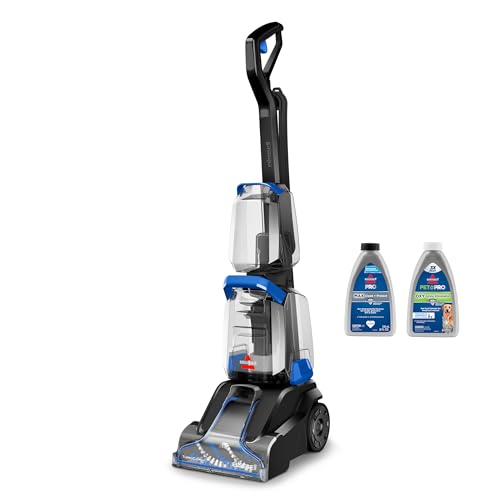

Tips for Restoring Your Flooring
For immediate results, gently reverse the shape of the indentations using a spoon or a dull knife. Carefully lift the fibers without pulling them out, working from the outer edges towards the center.
Steam Technique
Utilizing steam can be effective; place a damp cloth over the affected area and use a steam iron at a safe distance. The moisture and heat will help to relax and fluff the fibers.
Ice Cube Method
Another approach is the ice cube technique. Place ice cubes directly into the dents, allowing them to melt. As the water seeps in, it penetrates the fibers, and once dry, the area can be brushed gently to restore its original appearance.
| Method | Steps |
|---|---|
| Spoon Technique | Lift fibers gently from edges, pushing towards the center. |
| Steam Application | Dampen cloth, place over the area, and steam from a distance. |
| Ice Cube Technique | Position ice cubes in the imprint, allow to melt, then brush. |
Assessing the Damage: Identifying the Type of Carpet
To effectively address the situation, I first determine the type of flooring present. Each material reacts differently to various treatments, so understanding this is crucial.
Common Carpet Types
- Nylon: Durable and stain-resistant, but can show compression marks more readily.
- Polyester: Soft with good coloration, yet less resilient against indentation.
- Wool: Natural fiber offering luxurious feel; can recover from impressions over time.
- Olefin: Fade-resistant and moisture-resistant, but may not spring back as easily.
Assessment Steps
- Examine the fiber: Rub a section to see how it reacts. If it retains its shape, it’s likely nylon or wool.
- Check for pile height: Higher piles are often more susceptible to visible impressions.
- Look for texture: Silk-like surfaces indicate a more delicate fiber that may require gentle handling.
After identifying the specific material, appropriate techniques for alleviating evidence of pressing can be decided. Each fiber type may have tailored methods for successful remediation.
Preparing the Area: Cleaning Before Treatment
Clear all items and obstacles from the vicinity of the affected space to facilitate access. This step is crucial for effective cleaning and restoration.
Initial Vacuuming
Thoroughly vacuum the carpet, focusing on the areas adjacent to the indentations. This removes dust and debris that may interfere with any restorative techniques.
- Use a vacuum with a brush attachment for better results.
- Ensure that the vacuum cleaner is in good working condition to pick up all particles.
Spot Cleaning Stains
Before proceeding with any deeper treatments, check for stains in the vicinity of the depressions. Treat those stains appropriately to prevent them from setting during further processes.
- Use a carpet cleaner suitable for your carpet type.
- Blot stains gently; avoid scrubbing, which may damage fibers.
Let the cleaned areas dry completely to avoid trapping moisture during further steps. This preparation sets a solid foundation for addressing indentations effectively.
Using a Steam Iron: Step-by-Step Guide
Begin with adjusting the steam iron to the highest setting suitable for your fabric type. For most carpets, a medium to high heat works effectively.
Place a clean, white cotton cloth over the indented area. This protects the fibers while allowing steam to penetrate.
Position the steam iron above the cloth without direct contact. Press the steam button to release steam onto the fabric, ensuring the moisture reaches the carpet below. Maintain this position for about 15-20 seconds.
Lift the iron away and check the condition of the fibers. If the indentation remains, repeat the steaming process but do not exceed 30 seconds of total heating time to prevent damage.
After steaming, use a soft bristle brush or your fingers to gently fluff the fibers in the affected area. Work against the grain to restore texture and create a more uniform appearance.
In case of persistent impressions, allow the area to dry completely and re-evaluate. Consider additional treatments as necessary.
| Step | Action |
|---|---|
| 1 | Adjust steam iron to appropriate heat setting. |
| 2 | Cover affected area with a clean cloth. |
| 3 | Hold steam iron above the cloth, releasing steam. |
| 4 | Check the fibers; repeat if indents persist. |
| 5 | Fluff the fibers using a soft brush or fingers. |
After finishing, allow the area to dry and assess the final appearance. If necessary, seek alternative methods for deeper issues.
Employing a Moist Towel: Application Techniques
For a quick and practical approach, I utilize a damp towel to address indentations in the flooring. Begin with a clean, soft towel, ensuring it’s sufficiently moist but not soaking wet. Place the towel directly over the affected area, covering the indentation entirely.
Next, apply gentle pressure by walking on the towel for roughly 30 seconds. The warmth from your feet will help to lift the fibers. After this, remove the towel and let the area air dry briefly.
Once dried, I use my fingers to gently fluff the carpet fibers back into their usual position. If some indentations remain, repeat the process as necessary. For particularly stubborn areas, consider reapplying moisture with a spray bottle, ensuring the towel stays moist throughout the process.
Always test a small, hidden section of the flooring first to confirm that there’s no adverse reaction to moisture. Following this method has proven effective for me, providing a simple yet efficient solution without chemical products.
Applying Carpet Shampoo: Tips for Stubborn Marks
For persistent blemishes, applying a quality carpet shampoo can yield impressive results. I recommend using a foam cleaner specifically designed to tackle tough stains.
Before proceeding, test the shampoo on an inconspicuous area to ensure colorfastness. This step is crucial to prevent unwanted discoloration. Once verified, follow the guidelines on the product label for dilution, as concentrated formulations may require mixing with water.
Apply the solution directly to the spot, using a clean white cloth or sponge to gently blot, rather than scrub. This technique helps lift the stain without damaging the fibers. Allow the product to dwell for the time recommended–usually around ten minutes–then blot again with a damp cloth to remove residue.
Afterward, rinse the area with clean water and blot up excess moisture. If necessary, repeat this process until the blemish is gone. Lastly, ensure the area is adequately dried to prevent mold or mildew. I find placing a fan nearby speeds up this step effectively.
Utilizing a Carpet Rake: Restoring Texture
I recommend using a carpet rake to revitalize the texture of your fibers after the weight has been lifted. This tool effectively loosens the pile, making it stand tall once again.
Follow these steps for optimal use:
- Choose a rake specifically designed for carpets, with rounded teeth to prevent damage.
- Begin at the edge of the affected area, working your way toward the center.
- Use gentle pressure, raking in the direction of the fibers. This promotes an even finish.
- Repeat several times if necessary to fully restore the original texture.
After raking, assess the area. If needed, consider vacuuming to help fluff the fibers further. Regular maintenance with a rake can prevent future indentations from forming.
Testing with Ice Cubes: An Alternative Method
For deeper impressions, I recommend placing ice cubes directly onto the affected area. This technique utilizes the melting ice to relax the fibers. Start by filling a bowl with ice cubes and distributing them on the indentations. Allow them to sit for about 15 minutes.
As the ice melts, the fibers will absorb moisture and hopefully expand back to their original shape. After the ice has melted, gently fluff the area with your fingers or a soft cloth to promote recovery. If necessary, repeat the process until the desired results are achieved.
Additionally, it’s prudent to monitor the carpet’s response to moisture to prevent any unwanted effects. This method is simple yet can yield satisfying results without harsh chemicals or extensive equipment.
Using Baking Soda: Deodorizing and Freshening
I sprinkle a generous layer of baking soda directly onto the affected regions, ensuring complete coverage. This natural substance effectively neutralizes odors while absorbing moisture, leaving the area feeling fresher.
After letting it sit for at least 15-30 minutes, I gently vacuum up the baking soda. This not only removes the particles but also revitalizes the texture of the fibers.
For persistent smells, I repeat the application, allowing the baking soda to absorb for a longer period, ideally overnight. This approach maximizes its deodorizing properties.
When tackling deeper scents, I often combine baking soda with a few drops of essential oil, such as lavender or tea tree, to add a pleasant fragrance upon vacuuming.
Always remember to conduct a patch test first, especially if your fabric is sensitive. The simplicity of this method makes it an essential part of my cleaning regimen.
Preventing Future Marks: Tips for Furniture Placement
To prevent indentations on carpeted surfaces, distribute the weight of items evenly across the room. Use coasters or furniture pads under legs to minimize pressure points on the fibers.
Consider positioning heavier pieces in areas with less foot traffic, avoiding high-use spaces where movement might stress the material. Rotating the location of your furniture periodically helps maintain an even appearance on the flooring.
Utilize area rugs beneath significant items for added cushioning and protection. This not only safeguards the carpet but also enhances the overall decor of the room.
Opt for furniture with bases that spread weight across a larger surface area, such as those with wide feet. This simple adjustment significantly reduces potential damage to the underlying fabric.
Maintaining slight movement around pieces by leaving small gaps can also prevent pressing issues. Ensure there’s enough space to shift furniture when needed, promoting airflow and reducing strain on the fibers.
Lastly, placing protective mats or waterproof sheets under large items can provide an additional layer of defense, making it easier to move pieces without causing imprints in the future.


