
 Caleb Turner
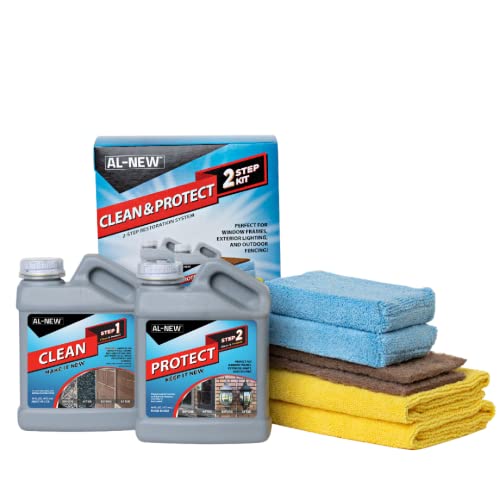
Combine equal parts of white vinegar and water in a spray bottle for an immediate solution. Spray the mixture on the affected areas and let it sit for 15-20 minutes to break down the stubborn discolorations.
After soaking, scrub the surfaces gently with a soft-bristle brush. This will help detach the unwanted growth without scratching the material underneath. Rinse thoroughly with a hose, ensuring all residue is washed away.
For persistent spots, consider using a solution of baking soda and water to create a paste. Apply it to the stubborn areas, let it sit for an additional 30 minutes, then scrub and rinse again. This method not only targets the discoloration but also refreshes the surface, leaving it looking new again.
Eliminating Unwanted Growth on Outdoor Seating
I use a mixture of equal parts water and vinegar for a natural and effective solution. This combination not only disinfects but also helps dissolve the unwanted growth. Apply the mixture with a spray bottle directly onto the affected areas and let it sit for about 15 minutes.
For more stubborn spots, I recommend scrubbing gently with a soft-bristle brush. This action helps to break down the residues without damaging the surface. After scrubbing, rinse thoroughly with water to remove any remaining solution.


If the issue persists, a commercial cleaner specifically designed for outdoor surfaces can be used. Choose a product that targets fungal growth and follow the manufacturer’s instructions for optimal results. Always test on a small, inconspicuous area first to ensure compatibility.
To prevent recurrence, I keep the seating dry and store it in a shaded area when not in use. Regular maintenance, including occasional cleaning with mild soap and water, drastically reduces future growth.
Identifying Different Types of Mold on Furniture
The first step in tackling unwanted growth on my outdoor seating is recognizing the specific type present. The most common types include:
Aspergillus appears as dark or greenish spots. It often thrives in damp environments, making it a frequent invader of outdoor settings.
Cladosporium usually manifests as olive-green to black patches. This type can sometimes be mistaken for dirt, but closer inspection reveals its fluffy texture.
Penicillium has a distinctive blue or green hue and a powdery appearance. I often find it in areas with excess moisture, indicating a need for immediate attention.
Alternaria typically exhibits dark brown or black shades. This variety can spread quickly and may cause damage to the material if left untreated.
Identifying these growths accurately is crucial for choosing the right cleaning method and ensuring the longevity of my outdoor items. Regular checks help in catching any issues early on.
Gathering Necessary Cleaning Supplies for Mold Removal
For effective combat against unwanted growth on surfaces, I ensure I have the right tools ready to go. Preparation makes the cleaning process smoother and more productive.
Essential Items
- Protective gloves: Keep hands safe from any harsh chemicals.
- Face mask: Prevent inhalation of spores during cleaning.
- Bucket: Ideal for mixing cleaning agents or rinsing materials.
- Sponge or scrub brush: Good for scrubbing surfaces without damaging them.
- Spray bottle: Useful for applying solutions evenly over affected areas.
- Cleaning solution: Choose between vinegar, baking soda, or commercial cleaners designed for this purpose.
Additional Supplies
- Warm water: Essential for diluting cleaning agents and rinsing afterward.
- Microfiber cloth: Perfect for wiping down surfaces after scrubbing.
- Garden hose: Helpful for rinsing off outdoor items.
- Drop cloths: Protect surrounding areas from runoff during cleaning.
Having these supplies on hand simplifies the process and enhances effectiveness. Each item serves a specific purpose and contributes to a thorough clean-up.
Preparing the Outdoor Seating for Cleaning
Ensure the area is clear before initiating the cleaning process. Remove any cushions, decorative items, or accessories from the seating. This prevents interference during the cleaning and protects delicate elements from potential damage.
Inspect the Condition
Examine each piece carefully for any signs of wear or damage. This allows for preemptive repairs, such as tightening screws or replacing broken components, which is crucial before applying any cleaning solutions.
Choose an Ideal Day
Select a dry, sunny day for the task. Rain or humidity can hinder the effectiveness of cleaning agents and prolong drying time.
- Plan for adequate ventilation in case of using strong cleaning agents.
- Consider the spacing; ensure there’s enough room to maneuver around the items easily.
I typically use a drop cloth beneath to catch any residual cleaning products and dirt, keeping the surroundings tidy. It also protects the surface beneath from potential stains.
Adopting these preparatory steps ensures a more straightforward and effective cleaning experience for my outdoor seating.
Using Natural Solutions to Combat Green Mold
I recommend creating a simple baking soda paste by mixing two parts of baking soda with one part water. Apply this mixture to afflicted areas using a cloth or sponge. Let it sit for about 15 minutes before rinsing it off with water. This method not only tackles the unwanted growth but also deodorizes the surface.
Vinegar serves as a powerful agent against unwanted growth as well. Mix equal parts of white vinegar and water in a spray bottle. Spray the solution directly onto the affected areas and let it sit for a minimum of one hour. Wipe the surface with a cloth afterward for optimal results.
An alternative solution includes a blend of lemon juice and salt. The acidity of lemon juice, combined with the abrasive nature of salt, creates an efficient cleaning agent. Apply this mixture to the problem areas and let it act for approximately 30 minutes before scrubbing and rinsing off.
If a stronger approach is necessary, diluted hydrogen peroxide can be effective. Combine one part hydrogen peroxide with two parts water and spray it directly onto the surface. After allowing it to sit for about 10 minutes, scrub lightly and rinse.
| Natural Solution | Preparation | Application Time</th | Rinsing Required |
|---|---|---|---|
| Baking Soda Paste | 2 parts baking soda, 1 part water | 15 minutes | Yes |
| Vinegar Solution | Equal parts vinegar and water | 1 hour | Yes |
| Lemon Juice and Salt | Mix lemon juice with salt | 30 minutes | Yes |
| Hydrogen Peroxide | 1 part hydrogen peroxide, 2 parts water | 10 minutes | Yes |
These natural remedies can be highly effective in addressing persistent issues, making them preferable alternatives to chemical solutions. Regular application can help prevent reoccurrences, ensuring longer-lasting results for your outdoor seating.
Applying Chemical Cleaners Safely and Effectively
I prioritize safety when using chemical cleaners. Always wear gloves and a mask to protect my skin and lungs. Working in a well-ventilated area is crucial; I open windows or use fans to ensure airflow. Keeping children and pets away from the cleaning area prevents accidental exposure to harmful substances.
Choosing the Right Product
Selecting an appropriate cleaner is vital. I read labels carefully to identify active ingredients and recommended surfaces. Choosing milder formulations can minimize the risk of damage to my items, especially those made from wood or fabric.
Application Techniques
I apply cleaners using a spray bottle or a sponge, ensuring an even distribution. Spraying at a distance prevents oversaturation. I let the solution sit for the time specified on the label, usually no more than 10–15 minutes, to allow it to penetrate effectively. Rinsing thoroughly with water is imperative to remove any residue, as leftover chemicals can cause degradation over time.
Finally, I dry the items completely after cleaning. This step prevents moisture-related issues and ensures that surfaces remain in good condition for future use.
Cleaning Techniques for Various Materials
For wooden surfaces, I apply a mixture of vinegar and water using a soft brush. This method helps lift stains without damaging the finish. After scrubbing, I rinse with a damp cloth and allow it to air dry.
Metal items respond well to a paste made of baking soda and water. I gently rub this on the affected areas with a sponge, which effectively eliminates discoloration. A final rinse with clean water keeps the surface shiny.
For resin and plastic, a solution of dish soap and warm water does the trick. I use a soft bristle brush to scrub away any discoloration, ensuring not to scratch the surface. Rinsing thoroughly afterward prevents soap residue from attracting dirt.
Fabric upholstery requires a specific approach; I mix water and mild detergent, then use a cloth to blot and clean carefully. Stains can be treated with a diluted vinegar solution, ensuring I test any cleaner on a small, inconspicuous area first.
When dealing with stone or concrete surfaces, a pressure washer can be effective. Alternatively, a mixture of bleach and water helps disinfect and clean stains but must be rinsed well to avoid deterioration of the material.
I always ensure to check the manufacturer’s recommendations for any specific care instructions tailored to the material I am cleaning. Adapting my technique based on the material type yields the best results.
Preventing Mold Growth on Outdoor Seating
Maintain cleanliness by regularly wiping down surfaces with soapy water. This helps eliminate food residues and minimizes the potential for fungal growth.
Ensure adequate airflow in the storage area. Avoid placing items in enclosed spaces without ventilation, as stagnant air creates an environment conducive to fungal proliferation.
Covering and Storing
During off-seasons, consider using weatherproof covers. This protects against moisture while allowing for breathability to prevent dampness accumulation.
Always store items in a dry location, preferably elevated off the ground to avoid contact with wet surfaces. It prevents water pooling and encourages drying.
Choosing Appropriate Materials
Select furniture made from synthetic or treated materials that resist moisture absorption. Metal and plastic options are less likely to retain dampness than untreated woods.
For wooden options, applying a protective sealant every few years can greatly reduce moisture intrusion.
- Avoid leaving cushions outside in rainy or high humidity conditions.
- Utilize mold-resistant sprays during seasonal maintenance.
- Inspect items regularly for signs of dampness or early growth to address issues promptly.
Regular Maintenance Tips to Keep Furniture Mold-Free
Conduct routine inspections every month. Look for signs of dampness or discoloration on surfaces.
Wipe down surfaces weekly using a damp cloth and mild soap to remove dust and organic debris, which can promote growth.
Store items in a dry, ventilated area when not in use. Ensuring that they are kept out of direct moisture can significantly minimize issues.
Elevate furniture slightly off the ground with protective pads. This allows air circulation underneath, reducing humidity.
Utilize furniture covers during inclement weather. High-quality covers can shield against moisture and dirt accumulation.
Apply a protective sealant designed for the material of your items. This can help repel moisture and prevent organic materials from establishing.
Ensure nearby plants are well-trimmed and not overwatered, as excess humidity around your outdoor space can contribute to problems.
Maintain proper drainage around the area. Clear gutters and ensure that water flows away from seating and tables.
Use a fan or dehumidifier in enclosed spaces to lower humidity levels, especially in the warmer months.
Regularly rotate cushions and pillows to allow them to dry evenly if left outside. This practice can prevent moisture from settling in one spot.
| Tip | Description |
|---|---|
| Monthly Inspections | Check for signs of dampness and discoloration. |
| Weekly Cleaning | Use a damp cloth with mild soap to wipe surfaces. |
| Proper Storage | Store in a dry, ventilated area when not in use. |
| Furniture Elevation | Use protective pads to allow air circulation. |
| Use Covers | Protect items during bad weather with high-quality covers. |
| Protective Sealant | Apply sealant to repel moisture and organic materials. |
FAQ:
What are the best ways to clean green mold from patio furniture?
The most effective methods to remove green mold from patio furniture include using a mixture of vinegar and water, a baking soda paste, or a store-bought mold remover. Mixing equal parts of white vinegar and water in a spray bottle can help break down the mold. Apply the solution, let it sit for a short while, then scrub with a brush. Baking soda can also be used by mixing it with water to create a paste, applying it to the moldy areas, and scrubbing gently. It’s important to rinse off any cleaning solution afterward to prevent damage to the furniture.
How can I prevent green mold from forming on my patio furniture in the future?
To prevent green mold from developing on your patio furniture, keep it clean and dry. Regularly wipe down the surfaces to remove moisture and debris. Consider storing the furniture indoors or covering it during rainy seasons or when not in use. Using furniture that is treated with mold-resistant coatings can also help. Additionally, ensuring good air circulation around the furniture by not overcrowding the area can minimize the chances of mold growth.
Is it safe to use bleach for removing mold from patio furniture?
While bleach can be effective in killing mold, it’s not always recommended for patio furniture, especially if it’s made of certain materials like fabric or wood, as it can cause discoloration or damage. If you choose to use bleach, dilute it with water (typically one part bleach to ten parts water) and do a patch test in an inconspicuous area first. Alternatively, consider using gentler cleaning solutions like vinegar or commercial mold removers that are specifically formulated for outdoor furniture.
What type of brush should I use to scrub mold off patio furniture?
For scrubbing mold off patio furniture, a soft-bristled brush is generally the best choice. This type of brush is effective at removing mold without scratching the surface of your furniture. If the mold is particularly stubborn, you might opt for a medium-bristled brush, but be cautious to avoid damaging the finish. For intricate designs or hard-to-reach areas, a toothbrush or a small detailing brush can also be useful.
How long does it take for mold to reappear after cleaning patio furniture?
The time it takes for mold to reappear on patio furniture depends on several factors, including the climate, humidity levels, and the materials of the furniture. In humid and wet conditions, mold can reappear within a few days to a week. If the furniture is kept clean and dry, it may take longer for mold to return, potentially weeks or even months. Regular maintenance and cleaning are key to minimizing mold recurrence.


