
 Caleb Turner

First, grab an ice cube and apply it directly onto the sticky residue. This will harden the substance, making it easier to scrape off without damaging the fibers. Allow it to sit for a few minutes to ensure maximum firmness.
Next, gently use a blunt knife or a spoon to lift the hardened substance away from the material. Be careful to avoid tearing the fabric; focus on removing the bulk of the residue first.
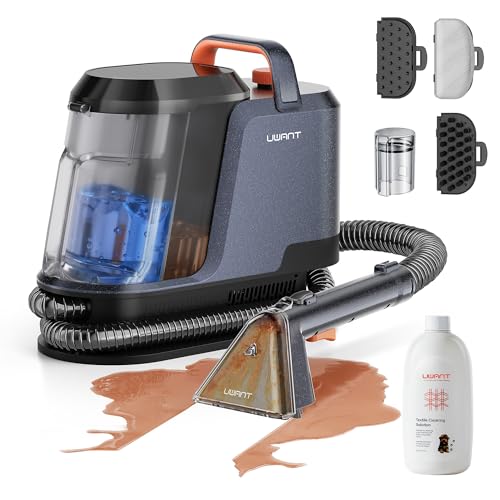


Once the majority is gone, mix a solution of mild dish soap and warm water. Dampen a cloth with this mixture and blot the affected area. This will help lift any remaining traces. Follow up with a clean, damp cloth to remove any soap residue.
Finally, allow the area to air dry completely. If any stain persists, consider using a fabric-safe stain remover and repeating the process as necessary.
Guide to Eliminating Chewing Substance from Upholstered Items
Fill a small bowl with ice cubes. Place it directly on the residue for about 10 minutes. Ice solidifies the sticky material, making it easier to lift.
Using a dull knife or a plastic scraper, gently pry the hardened mass from the surface, being careful not to damage the upholstery.
If any residue remains, apply a few drops of rubbing alcohol to a clean cloth. Dab it on the area, allowing the solution to break down any leftover bits. Blot with a dry cloth to absorb moisture.
In case of stubborn spots, mix equal parts of vinegar and water. Test on an inconspicuous area before applying. Use a soft brush to work the solution into the fibers, then wipe away with a damp cloth.
Finally, let the treated area air dry completely. Brush the fabric lightly to restore its original texture.
Identify the Type of Fabric Before Treatment
Assessing the material composition is vital for successful cleaning. Different textiles react uniquely to various cleaning substances and methods.
Common Fabrics and Their Characteristics
- Cotton: Generally durable and can withstand many cleaning techniques, but be cautious with hot water and harsh chemicals.
- Polyester: Resistant to many stains and easier to clean, though some adhesives may adhere more strongly.
- Linen: Delicate yet sturdy; requires gentle treatment to avoid damage or shrinking.
- Silk: Requires the utmost care; many commercial cleaners can damage this luxurious textile.
- Leather: Non-porous surface; requires specific leather cleaner and conditioning to maintain its appearance.
Testing the Fabric
Before proceeding with any cleaning technique, conduct a patch test with your chosen method on a less visible area. This ensures that the approach will not discolor or damage the entire surface.
Review care labels as they contain instructions that specify the accepted methods for cleaning specific types of material.
Gather Necessary Tools and Materials
Prepare a few items before tackling the sticky situation. You will need some ice cubes or a freezer bag to chill the residue. A spatula or dull knife will assist in gently scraping away the hardened substance. Additionally, have a clean cloth or paper towels on standby to catch any debris.
For effective cleaning, consider using rubbing alcohol or commercial adhesive remover. These liquids help dissolve the adhesive properties of the residue. A mild detergent mixed with warm water can also aid in cleaning the area afterward.
Ensure you have gloves to protect your hands during the process. A toothbrush or a soft-bristle brush can be useful for working on intricate patterns or textures in upholstery. Finally, a vacuum cleaner might come in handy to remove any loose pieces once the majority is cleared away.
Freeze the Chewy Residue for Easy Removal
To tackle the sticky predicament, I turn to cold temperatures. Using ice cubes or a freezer pack, I apply these directly onto the stuck item. This method solidifies the mass, making it brittle and easier to detach.
Here’s a step-by-step guide:
- Gather ice cubes or a gel-filled freezer pack.
- Wrap the ice cubes in a cloth to avoid moisture damage.
- Place the wrapped ice on the object for approximately 10-15 minutes.
- Check for firmness; if it feels hard, gently scrape it off with a dull edge, like a butter knife or a plastic spatula.
Be careful not to damage the surrounding material during this process. If any remnants persist, I can repeat the freezing tactic or switch methods as necessary. This technique minimizes the risk of spreading the sticky substance and keeps the surrounding area intact.
Use Oil-Based Products for Stubborn Residue
I recommend using oil-based solutions like peanut butter, olive oil, or commercial products designed for adhesive removal. These substances can effectively break down the sticky texture clinging to the weave of your upholstery.
For application, first, test the oil on a hidden area to ensure it won’t alter the color or texture. Once confirmed, apply a small amount directly onto the residue. Allow it to sit for a few minutes to penetrate, softening the sticky debris.
Using a soft cloth or an old toothbrush, gently work the oil into the fibers. Avoid excessive scrubbing, which can damage the material. Instead, focus on lifting away the softened remnants.
Afterward, blot the area with a clean, dry cloth to absorb excess oil and residue. If needed, use a fabric-safe cleaner to remove residual oiliness and restore the fabric’s appearance. Finish by allowing the area to air dry completely.
Wipe the Area with a Clean Cloth
After addressing the sticky substance, use a clean, dry cloth to gently blot the affected zone. Avoid rubbing, as this may push remnants deeper into the fibers. Instead, dab the area lightly to absorb any residual oils or products used previously.
Consider choosing a microfiber cloth for its absorbent properties and ability to trap particles effectively. Ensure the cloth is free from lint or debris to prevent further complications.
If the stain persists, dampen a corner of the cloth with warm water or a mild detergent solution for a more thorough clean, always testing it on an inconspicuous area first. Each gentle touch should focus on lifting away remaining traces without damaging the underlying surface.
Keep the cloth clean, switching to a fresh section as needed, to ensure maximum effectiveness. This step can significantly aid in restoring the appearance of your upholstery.
Test for Colorfastness on a Hidden Area
Before applying any cleaning solution, I check for colorfastness on a discreet spot of the textile. This ensures that the treatment will not cause discoloration or damage.
Steps to Perform the Test
I dampen a cotton swab or a clean white cloth with the chosen cleaning agent. Next, I gently dab the hidden area to assess if there is any color transfer. If the cloth picks up dye, I choose a different product.
Considerations for Different Fabrics
For natural fibers such as cotton or linen, color may bleed more easily, so I take extra caution. Synthetic materials usually hold their color better but should not be neglected. Always wait a few minutes to evaluate the results before proceeding with the larger treatment.
Rinse the Fabric After Treatment
After addressing the residue issue, it’s crucial to rinse the material thoroughly. I typically use clean, lukewarm water and a soft cloth. Dampen the cloth without soaking it, then gently wipe the treated area to remove any leftover cleaning solution. This step helps prevent possible discoloration or damage to the fibers.
For optimal results, I recommend rinsing multiple times, ensuring that all cleaning agents are washed away. If necessary, I change the water frequently to avoid spreading any remnants back onto the surface. After rinsing, I press a dry cloth onto the spot to absorb excess moisture. Allow the area to air dry completely before using the item again.
Apply Fabric Protector After Cleaning
To ensure long-lasting protection after tackling adhesive residues on your upholstery, I recommend applying a fabric protector. This treatment acts as a barrier against future stains and spills, making it easier to maintain your seating surfaces.
Before applying, ensure the cleaned area is completely dry. I use a spray-on fabric protector suitable for the type of material I’m working with, following the manufacturer’s application instructions closely. Typically, I hold the spray can about 6 to 12 inches away from the surface and mist it evenly to avoid saturation.
For optimal results, I allow the product to dry thoroughly before returning items to the area or using the furniture. This not only enhances the effectiveness of the protector but also ensures a uniform finish without any streaks.
Regular reapplication is key; I usually refresh the treated areas every few months, depending on the fabric usage and exposure to potential stains.
| Step | Action |
|---|---|
| 1 | Ensure the surface is completely dry. |
| 2 | Choose a protector compatible with the material. |
| 3 | Hold the spray can 6-12 inches away from the surface. |
| 4 | Apply an even mist across the cleaned area. |
| 5 | Allow the protector to dry completely. |
| 6 | Reapply every few months based on usage. |
The right fabric protector not only aids in safeguarding but also prolongs the lifespan of upholstery by making maintenance easier.


