Caleb Turner

Begin with a thorough cleaning using a soft cloth dampened with a mixture of water and mild soap. This action removes surface dust and oils, prepping the area for further treatment.
For a deeper approach, consider a sanding technique. Use fine-grit sandpaper to gently abrade the glossy layer. Work in the direction of the grain to avoid creating scratches. Ensure to wipe away any dust afterwards with a damp cloth to achieve a smooth base.
If a chemical solution is preferable, opt for a degreaser specifically formulated for finished surfaces. Apply it sparingly, following the manufacturer’s instructions, and test on a small, inconspicuous area first. Timing is crucial; don’t let the product sit for too long to prevent damage.


Finally, consider embracing a more natural finish. Applying a matte sealant or wax can provide the desired non-reflective quality while enhancing the natural beauty of the timber. This step will also help protect the surface from future wear and moisture.
Methods for Dulling Shine on Timber Surfaces
I recommend testing a small, inconspicuous area before applying any technique to your surface. This ensures the desired effect without damage.
Using Sandpaper
For a direct approach, use fine-grit sandpaper (around 220 grit). Lightly sand the shiny area in the direction of the grain. Be careful not to apply too much pressure, as it may cause scratches.
- Start with a light touch.
- Regularly check your progress.
- Dust off residue with a clean cloth.
Applying a Matte Finish
Another option involves applying a matte spray or varnish. This can help achieve a more uniform appearance.
- Choose a product specifically designed for your type of finish.
- Ensure the surface is clean and dry before application.
- Spray at a distance of about 12 inches for even coverage.
Always allow sufficient drying time based on the manufacturer’s instructions for any products used.
Assessing the Finish on Your Wood Furniture
Begin with a thorough inspection of the surface to identify the current protective layer. Check for texture; a high-gloss coating often feels slick, while a satin or matte finish has a softer touch. Run your fingers lightly over the surface to assess its smoothness.
Identifying the Type of Coating
Understanding the type of treatment applied is vital. For instance, polyurethane offers a high level of durability and moisture resistance, while shellac and lacquer provide a more delicate sheen. Consider applying a small amount of solvent (like denatured alcohol) on a hidden area; observe how the surface reacts. If the finish softens or dissolves, it could indicate a more fragile application, requiring different methods for alteration.
Evaluating the Condition
Look for signs of wear, such as scratches, dull spots, or areas where the finish has chipped. These imperfections can affect not only the appearance but also the effectiveness of any treatments. Mark regions that need attention and prioritize them based on severity. If the finish is heavily damaged, a complete refinishing might be necessary. Keep in mind that the condition directly influences the approach to achieving a desired outcome.
Taking these assessments into account will guide the next steps in achieving a more suitable surface texture. Each type of treatment has its own characteristics, which can be crucial in determining the best method moving forward.
Selecting the Right Tools and Materials
Begin with selecting a quality sandpaper. I recommend using a range of grits: start with 120 for initial sanding, then progress to 220 to achieve a finer finish.
Next, gather a solid sanding block to maintain even pressure and reduce the risk of gouging the surface. Using a block allows for better control during the process, ensuring a smooth texture.
Consider using a chemical deglosser if mechanical methods are not preferred. Look for non-toxic options available at your local hardware store. Read the instructions thoroughly to ensure proper application.
Use a microfiber cloth for cleaning the surface before and after the process. This will help in removing any dust or debris that can interfere with new finishes.
To protect your hands, wear gloves made of rubber or latex. This will keep your skin safe from abrasives or chemicals used during the project.
Finally, select an appropriate finish to apply afterward. Depending on the desired look, options may include wax, oil, or polyurethane. Each has its unique properties, so consider factors like durability and appearance when making your choice.
Preparing the Work Area for Safe Removal
I ensure the workspace is well-ventilated by opening windows and using fans to promote airflow. Adequate circulation helps disperse any fumes that may arise from products or techniques used during the process.
Next, I cover nearby surfaces with drop cloths or old newspapers to protect them from dust and any potential spills. This prevents unintended mess and makes cleanup easier once the task is completed.
I gather all necessary supplies within arm’s reach to streamline the process. This includes protective gear such as gloves, goggles, and a mask to shield against dust and chemicals during the task.
I designate a specific area for working, ensuring it is free from distractions and hazards. Keeping the floor clear and organized minimizes the risk of accidents while I focus on transforming the surfaces.
Lastly, I turn off any electrical appliances in the vicinity to avoid potential hazards and ensure safety throughout the procedure. A clutter-free, secured area fosters a more controlled and efficient work environment.
Applying a Chemical Stripper for Gloss Removal
For tougher finishes that resist sanding, I recommend using a chemical stripper. Choose a product formulated for the specific type of varnish or lacquer on your item. Follow manufacturers’ instructions closely.
Preparation Steps
Before application, ensure the area is well-ventilated. Wear gloves, goggles, and a mask to protect against fumes. Remove any loose hardware to prevent damage. I place a drop cloth beneath the piece to catch drips and spills.
Application Process
Using a brush, apply a generous layer of the stripper, ensuring even coverage. Allow it to sit for the recommended time as indicated on the label; this typically ranges from 15 minutes to several hours. Once the finish begins to bubble or lift, use a putty knife to gently scrape away the softened coating. Be careful not to apply excessive pressure to avoid scratching the surface beneath.
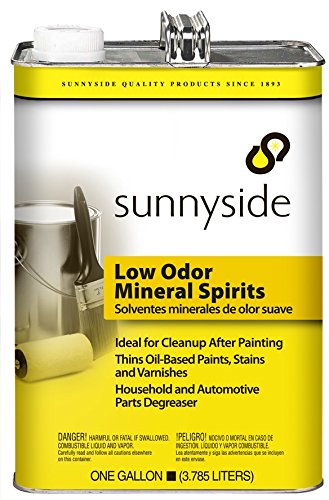
After stripping, clean the surface with mineral spirits to remove residue. This step ensures a clean base for any refinishing. Rinse off any materials used and dispose of them according to local regulations.
Using Sanding Techniques to Dull the Finish
I recommend using a sanding technique to achieve a matte appearance on your display pieces. Start with a coarse grit sandpaper, like 120-grit, to effectively abrade the surface. Ensure even pressure during this process to avoid sanding marks.
After the initial pass, transition to a finer grit, such as 220-grit, to smooth the surface and refine the finish further. This method reduces the risk of deep scratches that a coarser grit may leave behind.
Systematic Approach
Work in the direction of the grain for best results. Consistently check your progress by wiping the surface with a damp cloth to observe the finish. Once satisfied, clean the residue with a tack cloth before applying any protective finish.
Safety Precautions
Always wear a mask and safety glasses to protect against dust particles. Ensure your workspace is well-ventilated to avoid inhaling harmful dust. Dispose of sanding dust properly, as it can be a fire hazard when accumulated.
Finishing Touches: Sealing and Protecting the Wood
Applying a protective layer is critical after achieving the desired aesthetic. I always opt for a clear polyurethane or varnish suited for the type of surface I’m working with. Acrylic-based finishes are great for surfaces that will see moderate wear, while oil-based options provide a more durable protective barrier.
Before application, ensure the surface is clean and dust-free. I recommend using a tack cloth to pick up any remaining debris. For water-based finishes, I usually apply with a synthetic brush to achieve a smooth and even coat, while oil-based finishes work well with natural-bristle brushes.
For best results, I apply multiple thin layers rather than one thick coat. This approach allows for thorough curing and minimizes the risk of runs or sags. Waiting the manufacturer’s specified drying time between coats has always delivered optimal outcomes.
After the final coat dries, a light sanding using fine-grit sandpaper prepares the surface for an additional layer, increasing durability. A final coat of wax can add extra shine and protection if desired, keeping in mind that some waxes may require maintenance over time.
To assess the level of protection, I usually lightly scratch the surface with a fingernail after curing. If it shows no marks, I know my work has succeeded in safeguarding the surface. Properly sealed surfaces can withstand daily use while maintaining their appearance.
| Finish Type | Durability | Best Use |
|---|---|---|
| Water-Based Polyurethane | Moderate | Furniture, Indoor Items |
| Oil-Based Polyurethane | High | High-Wear Surfaces, Outdoor Furniture |
| Acrylic Varnish | Moderate to High | Variety of Uses |