
 Caleb Turner
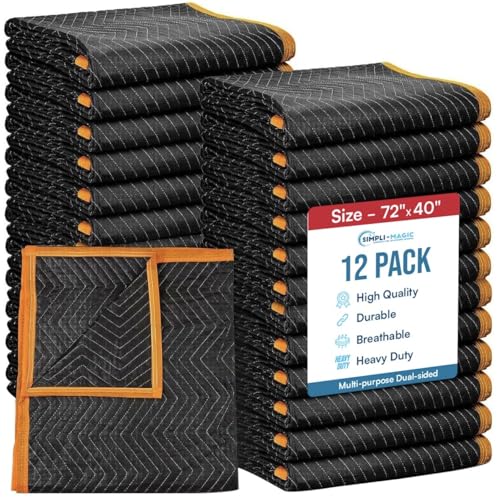
Begin with a clear strategy. Identify the items that need to be moved and establish a timeline for the process. This ensures minimal disruption to the daily operations of the establishment. Collect necessary tools such as dollies, straps, or blankets to safeguard against damage.
Engage your team in the plan. Assign specific roles based on individual strengths. For instance, designate one or two people to handle heavy pieces while others manage lighter items or pathways. Clear communication is vital to orchestrate smooth transitions and avoid accidents.
Prioritize safety. Always lift with your legs, not your back, and if an object is too cumbersome, don’t hesitate to ask for help. Ensure walkways are clear, and nothing obstructs movement. Keeping an eye on surroundings can prevent mishaps during the relocation process.


Guidelines for Clearing Space at the Pizzeria
I recommend organizing a moving team. Assign specific roles to team members, such as lifting, guiding, and keeping an eye out for obstacles. Communication is key; we often use simple hand signals to coordinate movements effectively.
Ensure all items are empty and free of debris. We check under and behind each piece to avoid surprises. If equipment requires disassembly, tackle it in a sequence that’s easy to follow–often, dismantling larger items first allows for easier maneuvering later.
Preparation for the Task
Prior to any lifting, clear the path to prevent accidents. It’s beneficial to use sliders or blankets under heavier items, reducing friction and making transport seamless. I find that padding corners can help protect walls from scratches during movement.
Logistics Post-Move
After relocating, ensure the area is cleaned thoroughly. We often tackle spills and debris right away to maintain a safe space. Discuss the new arrangement with the team to confirm everyone is on board and aware of potential changes in workflow.
Assess the Space for Furniture Removal
I first evaluate the area to determine which items need to be cleared. Measuring the dimensions of the room helps in planning movements efficiently, ensuring pathways are free of obstructions before starting any heavy lifting. I make note of doorways, corners, and narrow spaces that could complicate the process.
Identify Fixed Elements
Next, I check for fixtures like counters or built-in shelves that cannot be shifted. Identifying these elements early allows me to create a strategy for maneuvering items without damaging them or the surrounding space.
Plan the Flow
Finally, I outline a clear path for transporting each piece. Keeping a steady flow avoids unnecessary delays and reduces the risk of accidents. By communicating this plan with the team, everyone understands their roles, contributing to an organized and smooth operation.
Gather Necessary Tools for the Job
Prior to any undertaking, I ensure I have the following items ready:
- Instruments for Disassembly: A sturdy screwdriver set, a wrench, and a hammer are crucial for loosening screws and bolts on various items.
- Moving Equipment: A dolly or hand truck aids in transporting heavier pieces, reducing the risk of injury.
- Protective Gear: Safety gloves and closed-toe shoes minimize the chances of accidents during lifting and carrying.
- Measuring Tape: This helps to confirm whether items fit through doorways or into vehicles for transport, avoiding complications.
- Plastic Wrap or Blankets: Ideal for protecting surfaces and preventing scratches or damage during the moving process.
Optional Additions
Depending on the specific needs, I might also include:
- Straps or Rope: To secure items on carts or in vehicles, ensuring stability during transport.
- Trash Bags: Useful for disposing of any unwanted smaller items or debris during the process.
Having these tools ready allows me to proceed confidently and efficiently with the task at hand.
Follow Safety Protocols During Removal
Before beginning the task, I ensure that I am wearing the appropriate personal protective equipment, such as gloves and closed-toe shoes. Any sharp edges or heavy components present pose a risk of injury, so I approach these with caution.
I always communicate with my teammates about my movements. By coordinating, we can assist each other and prevent accidents. If someone is assisting, I make sure we have established clear signals for lifting and moving items to maintain safety.
Clear the Area
Prior to initiating the process, I clear the surrounding area of any obstacles. This helps to create a safe environment and eliminates tripping hazards. I also ensure that the exit paths are unobstructed and accessible, allowing for a swift response in case of emergencies.
Use Proper Lifting Techniques
When it comes to the actual lifting, I bend my knees and keep my back straight, engaging my legs to lift. I avoid twisting my body while carrying anything heavy, opting instead to turn by moving my feet. This approach minimizes the risk of strain or injury.
Prepare Items for Moving
First, I clear the area around the pieces I plan to relocate. This ensures I have enough space to maneuver without obstacles. I assess each item for any attachments, such as cushions or decorations, and detach them. Doing this reduces bulkiness and prevents any potential damage during the transition.
Protect Surfaces
I always cover items with moving blankets or bubble wrap. These protect from scratches and dents. I secure the coverings with tape, ensuring they stay in place. For glass elements, I carefully wrap them in cardboard or additional padding to avoid breakage.
Organize and Label
As I prepare everything, I organize the pieces by type and size. Creating a label for each item helps identify them later, especially when it’s time to place them in the new area. I use markers to write on the labels and affix them to each item or on the wrapping materials.
Use Proper Lifting Techniques
Maintain a stable stance with feet shoulder-width apart to ensure balance. Bend at the knees, not at the waist, keeping your back straight while reaching for the item. This minimizes strain on your spine.
Grip the object firmly with both hands, using your palms to maximize contact. Ensure the item is close to your body before lifting to reduce leverage on your lower back.
When lifting, engage your core muscles to support your back throughout the motion. Lift with your legs, straightening them gradually while keeping the item close to your body. Avoid twisting your torso; instead, pivot your feet to change direction.
For heavier items, consider using a partner. Coordinate lifts by counting down together, ensuring both parties lift at the same time. Use a dolly or cart for transporting bulky pieces to further decrease physical strain.
Lowering an item requires the same techniques as lifting. Bend at the knees and maintain a straight back, ensuring a controlled descent to avoid injury.
| Technique | Description |
|---|---|
| Stable Stance | Feet shoulder-width apart for balance. |
| Knees Bent | Bend at the knees, keeping back straight. |
| Close Grip | Keep the load close to the body. |
| Engage Core | Use core muscles for support during lifts. |
| Pivot Feet | Avoid twisting; pivot to turn direction. |
| Team Lift | Coordinate with a partner on heavy items. |
| Controlled Descent | Bend knees while lowering, maintaining back position. |
Coordinate with Team Members for Efficient Removal
I always ensure that everyone involved is on the same page before any major relocation begins. I initiate a brief meeting to discuss the specific roles each person will play during the process. This helps to create a clear plan, avoid confusion, and promote teamwork.
I utilize walkie-talkies or a group chat for real-time communication during the move. It allows us to quickly address any unexpected changes or challenges that may arise. Regular check-ins can keep the momentum going without unnecessary interruptions.
It’s also important to assign specific items to individuals or pairs to manage the workload effectively. For instance, I designate one team to handle larger pieces while others focus on smaller ones. This division of tasks accelerates the entire procedure.
I encourage team members to share their thoughts and suggestions. Collaborative input often uncovers better methods or routes for transporting items, ultimately optimizing the workflow. Celebrating small milestones along the way helps to maintain morale and keep the energy high.
Lastly, after all has been successfully relocated, I gather the team to evaluate how the operation went. Discussing what worked, what didn’t, and areas for improvement is key for future endeavors.
Choose the Right Time for Furniture Removal
Prioritize off-peak hours for this task. I find that early mornings or late evenings, when customer traffic is minimal, allow for a smoother process without disrupting service. Weekdays tend to be quieter compared to weekends, making them ideal for large-scale changes.
Consider Staff Availability
Coordinate with team members to ensure everyone is on the same page. I schedule the task when most staff are present to assist, enabling faster execution and minimizing delays. It’s beneficial to discuss the plan during staff meetings to accommodate schedules.
Avoid Meal Times
Steer clear of lunch and dinner rush periods. During these times, the establishment needs full attention on service and customer satisfaction. Scheduling the task well in advance allows for better planning, ensuring we can focus on our clientele while efficiently handling the updates.
By choosing the right timing, I significantly ease the process and maintain a positive experience for both staff and customers.
Disassemble Furniture When Necessary
Before tackling the task of dismantling, I ensure I have suitable tools on hand, such as a screwdriver, an Allen wrench, and possibly a hammer for stubborn connections. I first examine the pieces to identify joints or bolts that may require attention. It’s crucial to work on a flat surface to avoid damaging components.
For any items that come apart, like tables or shelving units, I begin by removing screws or bolts carefully, placing them in labeled containers to avoid misplacement. If pieces are glued, I utilize a heat source like a heat gun to soften the adhesive, making separation easier without inflicting harm upon surfaces.
While disassembling, I take precautions: I wear gloves to protect my hands and safety goggles to shield my eyes from debris. I always ensure that the power is off when working with electrical components, such as lamps or other electronics.
Documenting the assembly process can simplify reassembly later. I often take pictures while disassembling to recall how parts fit together, making the eventual reconstruction seamless. If I encounter any difficulties, consulting the manufacturer’s manual or searching online for guides can prove helpful.
After successful disassembly, I organize the pieces carefully and keep them in a designated area to prevent confusion during transport or installation. This meticulous approach minimizes chaos and maximizes efficiency.
Clean the Area After Removal
Thoroughly tidy up the environment once the items are out. Start by sweeping or vacuuming the floor to eliminate dust and debris. Pay attention to corners and under cabinets, ensuring no remnants are left behind.
Sanitize Surfaces
- Use a disinfectant wipe on tables and countertops to maintain hygiene standards.
- Ensure all surfaces are free from grease or spills that may have accumulated.
- Check for marks or scratches that need to be cleaned or treated.
Dispose of Waste Properly
Collect any packing materials or broken parts into designated trash bins. If items are worn out, separate recyclable materials according to local regulations. This keeps the space neat and encourages a clean working environment.
Make sure to review the area once more for any misplaced objects or tools. Keeping the workspace organized enhances efficiency and safety for everyone involved.


