Caleb Turner
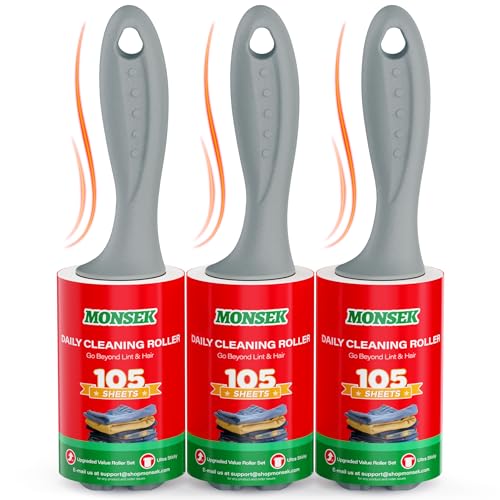
Utilizing a lint roller is one of the fastest ways to tackle those annoying bumps on your upholstery. Just roll it over the affected areas, and watch those unwanted fibers lift away effortlessly. The sticky sheets are designed to catch loose threads and fuzz, making this a convenient option for quick touch-ups.
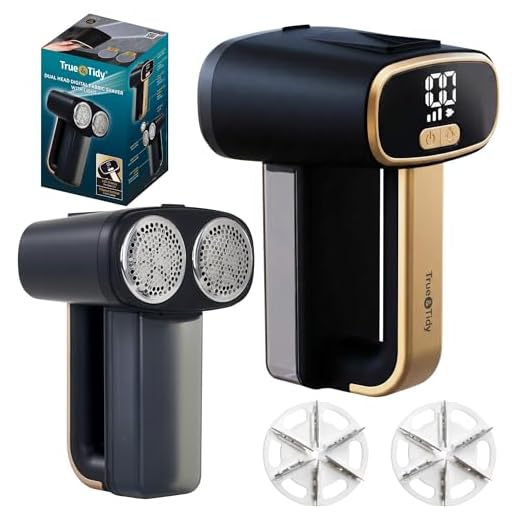
If you prefer a more hands-on approach, consider using a fabric shaver. This battery-operated tool works wonders in removing bumps by trimming the fibers evenly. Gently glide it across the surface, keeping an even pressure to avoid damaging the material underneath.


For a budget-friendly and eco-conscious solution, a simple pair of scissors can suffice for minor touch-ups. Carefully snip off the protruding fibers, ensuring you don’t cut into the base material. This method works well for delicate fabrics where other tools might be too harsh.
Regular maintenance plays a key role in keeping your upholstery looking pristine. Cleaning the furniture with appropriate brushes or cloths can prevent the buildup of fuzz and maintain its appearance. Adopting these strategies ensures your pieces remain stylish and fresh for years to come.
Eliminating Nubs from Upholstery
Utilize a fabric shaver or lint remover to efficiently tackle any unsightly imperfections on your sofa or chairs. Hold the device at a slight angle and glide it gently across the textile surface, allowing it to capture and gather the unwanted fibers. Frequently check the collection chamber to ensure optimal performance.
Alternative Methods
If you prefer a manual approach, a simple pair of scissors can be effective. Carefully snip the protruding threads while ensuring not to damage the underlying material. For a more delicate option, a fine-toothed comb can help untangle and smooth the surface. After combing through, a sticky lint roller works wonders in picking up any remaining fuzz.
Preventive Care
<p To maintain your upholstery, regularly vacuum with an upholstery attachment to minimize the buildup of lint. Invest in a fabric protector spray to create a barrier against pilling. Regularly flipping and rotating cushions can also prolong the pristine appearance of your seating.
Identify the Type of Fabric on Your Furniture
First, examine the care label often found under cushions or on the back of chairs. This label usually indicates the material, such as cotton, polyester, or leather. Familiarizing yourself with these details can guide your maintenance approach.
Common Fabric Types
- Cotton: Soft, breathable, and typically easy to clean.
- Polyester: Durable, resistant to wrinkles, and often has stain-repellent properties.
- Leather: Elegant and timeless, but requires specific conditioners and cleaners to maintain its look.
- Acrylic: Known for its wool-like feel, it’s lightweight and resistant to fading.
Identifying Material Characteristics
Look closely at texture and weight. Natural fibers like cotton and wool feel different compared to synthetic fibers such as nylon and polyester. For instance:
- Texture: Wool has a coarse feel, whereas silk is smooth and soft.
- Weight: Heavier fabrics like velvet indicate a luxurious piece, while lighter options may be more casual.
If you’re uncertain, conducting a burn test can provide clarity. Snip a small piece of the fabric and hold it to a flame. Observe how it burns, smells, and the residue it leaves. However, this method should be approached with caution, as it may damage the material.
Choose the Right Tools for Removing Fabric Pills
For tackling those annoying small balls of fibers, having the right instruments on hand is crucial. I recommend using a fabric shaver, a lint roller, or a pair of sharp scissors, depending on the situation.
Here’s a breakdown of the tools and their effectiveness:
| Tool | Description | Best For |
|---|---|---|
| Fabric Shaver | Electrically powered tool designed to gently shave off fuzz. | Larger areas and delicate materials. |
| Lint Roller | A sticky sheet roller that lifts debris and loose fibers. | Quick touch-ups on surfaces. |
| Sharp Scissors | Used for carefully cutting off problematic fuzz by hand. | Small spots or intricate designs. |
Identify the right tool based on what needs attention. I often start with a fabric shaver for its efficiency. For quick clean-ups, the lint roller works wonders. In tight spots, sharp scissors are my go-to for precision. Keeping these tools handy ensures I can maintain the appearance of my belongings with ease.
Manual Methods for Pill Removal
For tackling those unsightly clusters on upholstery, the sweater stone is a practical tool. Gently glide it over the surface, allowing the abrasive material to catch and lift the bobbles without damaging the weave.
Scissors Technique
A sharp pair of scissors can work wonders. Carefully snip the fuzzballs, ensuring the blades are parallel to the fabric to avoid snipping the threads. Focus only on the raised areas to preserve the integrity of the surrounding textile.
Foam Razor
A foam or fabric razor is effective in scraping off debris. Holding the tool at a slight angle, run it lightly across the area where the unsightly lumps gather. The fine edge captures and removes them, revitalizing the appearance of the surface.
Using tape is another quick method. Apply a strip of adhesive tape over the affected section and pull it off swiftly. This action will lift off many of the entangled fibers, making the material look cleaner.
Finally, brushing gently with a lint brush can help pick up additional loose threads left after using other methods. This technique is particularly useful for delicate weaves where caution is paramount.
Using Fabric Shavers: A Step-by-Step Guide
First, gather all necessary items: a fabric shaver, power source (batteries or plug), and a lint roller or brush. Ensure your device is clean and charged, if applicable.
Next, test the shaver on a small, inconspicuous area to check for any adverse effects on the material’s surface. Adjust the blade height on the shaver to match the thickness of your upholstery. Lower settings work best on delicate fibers.
Then, position the fabric taut across the area you wish to treat. Move the shaver in smooth, straight motions, ensuring even pressure. Avoid lingering in one spot to prevent damage.
After working over the entire affected area, periodically check the shaver’s collection compartment. Empty it as needed to maintain performance; a full compartment reduces efficiency.
Once completed, inspect the surface for any remaining remnants. If necessary, repeat the process lightly over stubborn spots. Follow up by using a lint roller or brush to collect any leftover bits, ensuring a clean finish.
Finally, store your fabric shaver properly, keeping it out of reach of children and pets. Cleaning the device regularly will extend its lifespan and maintain effectiveness for future use.
Cleaning and Maintaining Your Tools After Use
Immediately clean your equipment after usage. For manual tools, such as lint rollers or fabric combs, wipe them down with a damp cloth to remove any debris or fibers. Ensure they are completely dry before storing them to prevent mold or mildew growth.
If you’ve utilized an electric shaver, first unplug it. Remove the shaver head and clean out any accumulated lint with a small brush. Rinse the head under warm water if it’s water-safe, then let it air dry completely before reassembling.
Periodically check the blades of shavers for dullness. If they become blunt, follow the manufacturer’s instructions for blade replacement to maintain optimal performance.
Store your tools in a dry, clean location. A dedicated container can help keep everything organized and prevent damage. Make it a habit to inspect them before each use, ensuring they are in proper condition.
Regular maintenance extends the life of your equipment and enhances its efficiency, which ultimately is beneficial for your soft furnishings.
Prevention Tips to Avoid Future Pilling
Select high-quality textiles with tighter weaves, as they are less prone to accumulating fuzz. I prefer natural fibers like wool or cotton, which tend to resist the formation of unattractive clusters.
Regular vacuuming can help eliminate loose debris and dust that may contribute to fraying. A soft brush attachment works best to avoid damaging the surface.
Rotate cushions periodically to ensure even wear. This simple practice can significantly reduce localized pilling on high-contact areas.
Keep upholstery away from direct sunlight. UV rays can weaken fibers, making them more susceptible to the annoying bunching-up of threads.
Avoid placing rough or abrasive items on the surface. For instance, be cautious with bags and other accessories that may snag fibers during regular use.
If I expect heavy use, protective covers can be a great investment. They act as a barrier, preserving the original condition of the material.
When laundering removable covers, use a gentle cycle and cold water, opting for a mild detergent to maintain fabric integrity.
Stay alert for loose threads. Trim them as soon as they appear to prevent further damage to the weave.
Lastly, I find that educating guests about careful use can lead to more mindful interactions with the upholstery, ultimately preserving its condition.
Best Practices for Different Fabric Types
For cotton, using a lint roller or handheld comb works wonders without damaging the surface. I find these tools grab loose fibers effectively.
Wool and Cashmere
With woolen materials, I prefer utilizing a fabric shaver set on low power. This helps avoid damaging the fibers while smoothing out the texture.
Synthetic Fabrics
For polyester or nylon, I recommend a finer comb or a specially designed fabric brush. These tools can glide over the surface smoothly without snagging.
Leather and suede require a softer approach. A damp cloth is my go-to for light smoothing and cleaning, keeping them looking pristine without harsh methods.
Silk demands even more care. I lightly roll a lint brush over it to maintain its delicate finish, ensuring no harm comes to the shine.
In terms of maintenance, periodic inspections and prompt attention to any emerging issues extend the life of all these materials. Regular cleaning sessions become the key to lasting quality.
When to Seek Professional Help for Severe Pilling
Consider contacting an expert if the accumulation of fiber clusters is extensive and persistent. This may indicate underlying issues that simple home techniques cannot address.
Here are specific situations where professional intervention is advisable:
- When DIY methods fail to yield satisfactory results after multiple attempts.
- If the material is delicate or costly, risking damage is not worth it.
- Visible signs of wear that extend beyond just the fuzz indicate potential structural concerns.
- In cases where localized pilling is accompanied by discoloration or fabric tears.
- If the obstruction is affecting the item’s usability or aesthetics significantly.
Professionals have access to specialized tools and products that can effectively treat a wide range of textural issues. They also provide insights on maintaining the integrity of the material over time.
Ultimately, if frustration mounts due to persistent pilling despite best efforts, it’s wise to consider enlisting expert help for a long-term solution.
FAQ:
What causes fabric pills on furniture?
Fabric pills, often referred to as fuzz balls or lint balls, are caused by the natural breakdown of fibers in the fabric. This can occur due to friction, which happens when people sit or lay on upholstered furniture. Additionally, the quality of the fabric plays a significant role; lower-quality materials tend to pill more easily than high-quality fabrics. Over time, even the most durable fabrics can develop pills, especially if they undergo frequent use or washing.
What are the best methods to remove fabric pills from furniture?
There are several effective methods to remove fabric pills from furniture. One popular method is to use a fabric shaver, which gently removes pills without damaging the underlying fabric. Another option is to use a lint roller or adhesive tape; simply press it onto the pilled area and lift to remove the pills. Additionally, a pair of scissors can be used carefully to snip away the pills, ensuring not to cut the fabric itself. Finally, a pumice stone can also be effective in brushing away pills from some fabric types.
Are there any precautions to take while removing pills?
Yes, there are some precautions to consider while removing pills. Always test your chosen method on a small, inconspicuous area of the fabric first to ensure it does not damage the material. If using a fabric shaver, make sure to use it lightly to avoid pulling the fabric threads. When using scissors, be cautious not to cut into the fabric too deeply. Additionally, avoid excessive force, as this can lead to further damage or fraying.
Can I prevent fabric pills from forming in the first place?
Yes, there are preventive measures you can take to minimize the formation of fabric pills. Choosing high-quality fabrics that are less prone to pilling is a good start. You can also minimize friction by using soft throws or covers for your furniture. Regularly vacuuming upholstered furniture helps keep fibers clean and reduces the likelihood of pills forming. If washing is necessary, turn the fabric inside out and use a gentle wash cycle to protect the fibers.
What tools or products do I need to remove fabric pills effectively?
To effectively remove fabric pills, consider using the following tools and products: a fabric shaver for a quick and efficient solution, a lint roller for easy pickup, adhesive tape for localized removal, and scissors for precise snipping. A pumice stone can also work well on some fabric types. Ensure that whichever tool you choose is suited for the specific type of fabric you are dealing with to avoid potential damage.