
 Caleb Turner
Begin by locating the small plastic stops or pins at the back of each compartment. These are typically designed to prevent accidental removal. Gently lift or push these pins towards the back panel to release tension.
Next, pull the compartment forward slightly until you feel resistance. This indicates that it is still connected to the tracks. Careful manipulation with a steady hand will allow you to slide it out by aligning it correctly with the track’s exit points.
If you encounter issues, check for any hidden screws on the sides. A simple screwdriver can usually resolve any further complications. Once the screws are removed, gently pull the compartment free from the unit.
After successfully extracting the compartment, inspect the mechanisms to familiarize yourself with the setup for future reference. This understanding will simplify reinstallation or any adjustments you may need to make later.


Removing Components from a Bobs Furniture Storage Unit
First, locate the release lever or button on each side of the component you want to detach. This is typically found near the back or the sides. Press or slide the lever while simultaneously pulling the component towards you. Ensure you do this gently to avoid damage.
Check for Additional Fasteners
After releasing the primary mechanism, inspect the interior for any additional anchors or fasteners. Sometimes, screws may hold the unit in place. Use a Phillips screwdriver to remove them if present. Be careful not to misplace these components.
Final Steps
Once all fasteners are removed and the release buttons are disengaged, gently pull the section out. If it’s stuck, check for any overlooked fasteners or obstructions. Keep the area clear to avoid accidents during this process.
Identifying the Type of Drawer Mechanism
To facilitate access to the compartments, recognizing the specific mechanism is key. Common types include:
- Side-Mounted Slides: These are tracks located on the sides of the box. Usually, they feature a lever that needs to be lifted to disengage the structure.
- Center-Mounted Slides: Found beneath the box, these involve a single slide that allows the section to glide. For release, often a pull or push mechanism is present.
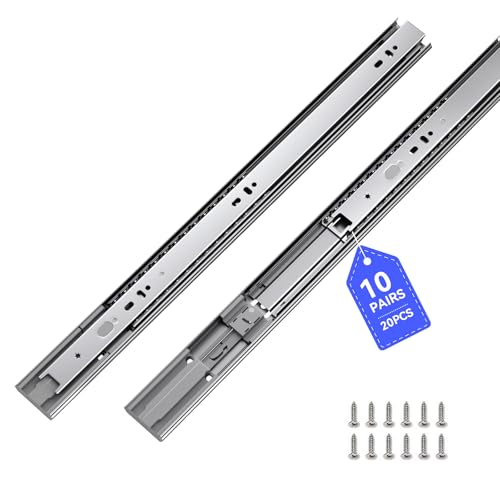
- Ball-Bearing Slides: Known for their smooth operation, they typically extend beyond the frame and might include a release clip. You’ll need to press this clip to pull the structure out.
- Euro Slides: A simpler system that often requires lifting and pulling simultaneously for extraction. Check for any locking mechanisms at the back.
Assessing the configuration is fundamental. Inspect the sides, bottom, and back of the compartments for levers, clips, or locks. Ensure you operate these correctly to avoid damaging the pieces during the process.
Tools Needed for Drawer Removal
Gather the following items to facilitate the process:
- Screwdriver Set: A Phillips and flathead screwdriver will be essential for loosening screws on the hardware.
- Pliers: These help in gripping and twisting small parts that may be hard to reach.
- Utility Knife: Use this for cutting any securing materials or tape that might be present.
- Flashlight: Adequate lighting is crucial to inspect mechanisms clearly, particularly in dimly lit areas.
- Measuring Tape: Ensure you have measurements handy if you plan to replace parts or make adjustments.
Additional Supplies
Consider having a few extra items on hand:
- Bucket or Container: Collect screws and small parts for easy retrieval later.
- Cleaning Cloth: Wipe down surfaces before and after working on the unit to keep everything tidy.
Steps to Remove Drawers Safely
To ensure safe extraction of your storage compartments, grip them firmly on both sides. Avoid awkward angles to minimize strain. If the pieces have a release mechanism, engage it gently while pulling out.
Check Alignment
Before pulling, confirm that the compartments are aligned with the tracks. Misalignment can lead to jams or damage. A slight wiggle can often help realign them before trying again.
Clear Surrounding Area
Ensure the space around the unit is free of obstacles. A clutter-free environment allows for easier handling and prevents accidents during the process.
Handling Stuck Compartments
If your compartment is stuck, check for visible obstructions first. Sometimes, debris or items lodged between the compartment and the frame can prevent it from sliding out smoothly. Inspect the sides and bottom for anything that may obstruct movement.
Tools for Troubleshooting
Gather the following tools to assist in resolving the issue:
| Tool | Purpose |
|---|---|
| Screwdriver | To remove any screws that might be holding components in place. |
| Pliers | To grasp and pull components if they are stuck. |
| Wood Block | To gently pry the compartment away from the frame without causing damage. |
Techniques to Try
Apply gentle pressure on the sides of the compartment while pulling it forward. If it remains stuck, tap on the side panel lightly with a wood block to loosen it. This can help redistribute any pressure causing it to seize up. If that doesn’t work, use a lubricant like WD-40 along the tracks; this may help the components slide out more easily.
Always ensure safety by avoiding excessive force, as this can lead to damage in the long run. If the compartment still doesn’t budge after trying these methods, consider seeking assistance from a professional to avoid causing further issues.
Inspecting and Cleaning Drawer Slides
Check for dirt and grime on the slide mechanisms to ensure smooth operation. Wipe the metal components with a soft cloth to remove any buildup. For tougher stuck-on debris, use a mild cleaning solution or a mix of vinegar and water for a natural approach.
Next, examine the slides for damage. Look for bent or cracked parts that might hinder functionality. If you notice wear, it might be necessary to replace the slides. Keep an eye on any rust, which can also affect performance–sand it off gently when found.
After cleaning, lubricate the slides with a silicone spray or a dedicated lubricant. A small application on the sliding surface can significantly enhance movement quality. Avoid over-lubricating, as excess product might attract more dust.
Finally, perform a test by sliding the mechanisms to identify any remaining issues. Make adjustments as needed to ensure everything glides effortlessly. Regular maintenance will prolong the lifespan of these components and keep everything functioning optimally.
Reinstalling Drawers After Maintenance
Align the slides carefully to ensure smooth function while placing the compartments back into their original spots. Begin by positioning the slides at the entry point, ensuring they match the installed tracks precisely.
- Gently push the unit into the opening until it clicks into place.
- Test the movement by pulling the structure out halfway; it should glide seamlessly.
- If resistance occurs, check for alignment or any obstructions within the housing.
Securely fasten any screws or bolts that may have loosened during maintenance to prevent future issues.
- For models with retractable mechanisms, ensure that the latches are engaged properly to maintain stability.
- Verify the integrity of the hardware, replacing any worn-out parts before closing.
After installation, conduct a functionality test for each compartment to confirm proper operation. Make adjustments as needed to optimize performance.


