
 Caleb Turner

I recommend using a heat gun or a hairdryer to soften the adhesive layer of the applied material. Maintain a safe distance to avoid scorching the surface. Gently peel away the softened layers with a plastic scraper, taking care not to gouge the underlying surface.
For residual glue, a solution of vinegar and water can work wonders. Mix equal parts and apply it with a soft cloth. Allow it to sit for a few minutes, then gently rub the area, wiping away any remnants. This method is safe and avoids harsh chemicals that can damage your piece.
If thicker applications are present, sandpaper can be your ally. Use a fine-grit sandpaper to carefully sand the area without compromising the integrity of the wood. Afterward, clean the surface with a damp cloth to remove dust and prepare the wood for any refinishing touches you may wish to add.
Guidelines for Extracting Paper Decor from Surfaces
Utilize a heat gun or hairdryer on the lowest setting to soften the adhesive. Aim the heat at the paper decor in small sections, keeping the nozzle a few inches away to prevent damage to the underlying layer. Once the glue is pliable, use a plastic scraper or credit card to gently lift the edges.

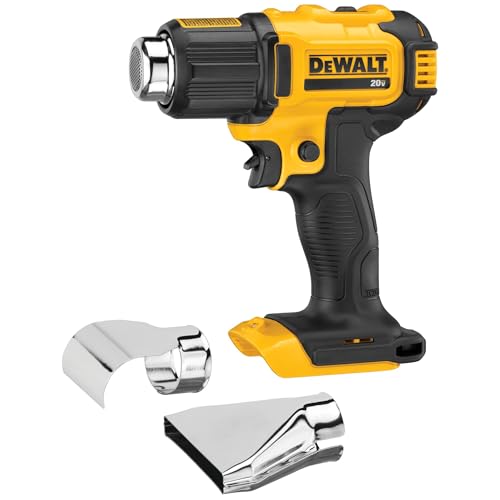

Supplies Needed
- Heat gun or hairdryer
- Plastic scraper or card
- Moist cloth
- Adhesive remover or vinegar solution
- Fine-grit sandpaper
Steps to Follow
- Wipe the area with a moist cloth to remove any dust and debris.
- Heat the paper decor gradually to soften any remaining adhesive.
- As the edges begin to lift, work slowly along the surface to reduce the risk of tearing.
- If adhesive residue persists, apply a small amount of adhesive remover or a mixture of vinegar and water; let it sit for a few minutes.
- Scrape off any remaining residue carefully, then finish by sanding the surface lightly to restore its smoothness.
Assessing the Type of Decoupage Used
Identifying the specific technique involved is crucial for determining the best course of action for restoration. Common methods include traditional paper applications, fabric overlays, or even specialized imaging techniques. Each approach interacts differently with surfaces and adhesives.
| Technique | Description | Removal Considerations |
|---|---|---|
| Paper Application | Utilizes standard craft paper, often Mod Podge or similar sealants. | Gentle solvents may work; test on an inconspicuous area first. |
| Fabric Overlay | Involves textiles attached with strong adhesives for durability. | May require scraping or tougher solvents depending on the glue used. |
| Specialized Imaging | Printed images that can be heat-transferred or digitally applied. | Careful heat application can loosen the bond; proceed slowly. |
Inspecting edges and seams may reveal how each layer interacts. Noticing any bubbling or lifting can indicate the adhesive used and its potential ease of extraction. Keep track of these details during the assessment process, as they guide tool and technique selection for best results.
Gathering Necessary Tools and Materials
For this task, I gathered a few key items to ensure a smoother experience. First, I secured a heat gun, which proved invaluable in softening the adhesive beneath layers. Alongside it, I found a scraper, ideally a plastic one, to prevent any risk of damaging the surface while lifting the layers.
Other Required Items
A pair of gloves is essential for hand protection, especially when dealing with chemicals or adhesives. I also included a sealable container for any removed pieces, keeping the area tidy. Additionally, gentle solvents or commercial adhesive removers are handy if I encounter stubborn residues. Finally, I turned to fine-grit sandpaper, which became critical for smoothing the surface once the layers were lifted.
Preparation Steps
Before starting, I ensured my workspace was well-ventilated to avoid inhaling fumes from the heat gun or solvents. Laying down a protective covering on the floor, I kept everything organized, making the process efficient and less chaotic.
Preparing the Workspace for Decoupage Removal
I recommend clearing the area of any obstructions to create a safe and organized environment. Ensure the surface where the item sits is protected with a drop cloth or newspaper to catch any debris or drips during the process.
Proper ventilation is crucial. Open windows or use a fan to maintain airflow, especially if using chemical agents. This minimizes inhalation risks. A mask may provide additional protection against fumes, so consider wearing one.
Gather all needed supplies within arm’s reach. Items such as scrapers, solvents, and cloths should be easily accessible to prevent unnecessary interruptions. This preparation helps maintain focus and efficiency.
Select adequate lighting for visibility. A well-lit workspace will assist in spotting edges and layers, making the task smoother and ensuring no areas are overlooked.
Ensure personal protective gear is worn: gloves protect hands, while safety goggles guard eyes against any splashes. This precaution helps prevent skin irritation or eye damage during the process.
Consider checking the weather. If working outdoors, avoid days with strong winds or rain. Favoring a consistent and calm atmosphere is beneficial for successful completion.
Applying Heat to Loosen Decoupage Layers
To effectively loosen the layers covering your item, I recommend using a heat gun or a hairdryer. This technique softens the adhesive, making it easier to lift the layers.
Follow these steps for optimal results:
- Set the heat tool to a low or medium setting to prevent damaging the surface below.
- Hold the tool approximately 6-8 inches away from the surface, maintaining a constant motion. Avoid concentrating heat on one area, as this can scorch the material.
- As the adhesive begins to soften, you may notice the edges of the paper lifting slightly. Use a plastic scraper or a putty knife to gently pry up the layers.
- Continue applying heat and lifting the layers gradually. If the adhesive hardens again, repeat the heating process.
- Once the layers are loosened, you can proceed with removing any remaining residue using a suitable solvent.
Ensure proper ventilation while applying heat, as fumes can be released. Always test on a less visible area if unsure about the material’s reaction to heat.
Using Solvents for Adhesive Breakdown
For tackling stubborn adhesive bonds, I recommend utilizing a suitable solvent. Begin with acetone or a commercial adhesive remover, both known for their potency against glue residues. Apply a small amount of the solvent onto a clean cloth and dab it onto the affected area. Allow it to penetrate for several minutes to soften the adhesive.
Application Techniques
When using solvents, it’s essential to avoid excessive saturation, as this can harm the underlying surface. Instead, work in layers, gradually increasing the application if needed. After the solvent has had time to act, gently scrape away the loosened material using a plastic scraper. This minimizes the risk of damaging the finish beneath.
Safety Precautions
Ensure proper ventilation by opening windows or using fans, as solvents can release strong fumes. Always wear gloves to protect your skin and consider goggles to shield your eyes from splashes. Dispose of any soiled materials according to local regulations to maintain a safe and clean working environment.
Scraping Techniques for Complete Removal
For thorough elimination of the paper layer, I recommend utilizing a putty knife or a paint scraper. Choose a tool with a sharp edge to avoid damaging the underlying finish. Angle the blade at about 30 degrees to the surface, applying gentle pressure. Begin at a corner, carefully lifting the edge of the material to prevent tearing.
If resistance is encountered, it might indicate the adhesive is strong. In such cases, reapply heat or solvent as needed to soften the bond. Working in small sections allows for better control and precise peeling.
To ensure no adhesive remains, follow up with a finer scraper or sandpaper. A sanding block with a medium grit can help smooth out any rough patches left behind. Always sand with the grain to maintain a consistent surface.
For intricate details or edges, a small craft knife can provide additional precision. Be cautious and avoid excessive force, as this could lead to scratches on the surface.
Maintaining the temperature of the surface can also assist during this process. If the environment is cooler, consider using a heat source intermittently to keep the area workable.
After the material is removed, clean the surface with a damp cloth to eliminate dust and debris. Regular inspection of the blade is important; a dull scraper can lead to more work and possible damage. Remember to replace blades when necessary for optimal results.
Finishing Touches: Cleaning and Refinishing the Wood
After achieving a clean slate on the surface, it’s crucial to restore its original luster. Start with a thorough cleaning using a mild soap solution. Wipe down the entire area using a soft cloth, ensuring all residue and dust are eliminated.
Next, addressing any minor scratches or imperfections can elevate the overall appearance. A wood filler that matches the furniture’s color can be applied to fill in these areas. Once dry, sand lightly with fine-grit sandpaper to blend the repair seamlessly.
For a uniform finish, consider applying a wood conditioner before any staining or sealing. This step ensures even absorption of the stain or finish product. Choose a stain that complements the existing color, and apply it with a clean cloth or brush, following the wood grain for optimal results.
After the stain has dried according to the manufacturer’s instructions, protective sealing is vital. A polyurethane or similar protective coat enhances durability and offers a polished look. When applying, choose a brush appropriate for the finish type and apply in thin, even layers. Allow each coat to dry thoroughly before adding subsequent layers.
Finally, buff the surface with a soft cloth for a radiant sheen. Regular maintenance, including dusting and occasional reapplication of the protective coat, will help maintain the furniture’s beauty over time.


