Caleb Turner
First, I assess the severity of the contamination by closely examining the surface. A gentle cleaning solution is prepared using a mixture of mild soap and warm water. I apply this solution with a soft cloth, working in small sections, to avoid oversaturation of the material.
After cleaning, it’s crucial to rinse the cloth thoroughly and wipe down the area to remove any soapy residue. I allow the surface to air dry completely, ensuring that no moisture lingers, as this can lead to further issues.
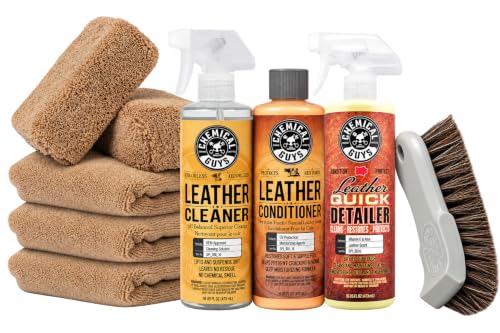
For persistent blemishes, I resort to a specialized leather conditioner that contains natural oils. This not only nourishes the surface but also creates a barrier against future stains. I gently massage the conditioner in with a microfiber cloth, ensuring an even application.
Finally, I monitor the seat for any signs of reoccurrence and maintain a regular cleaning schedule to prevent buildup. Proper care and attention to these details can significantly enhance the longevity of the upholstery.


Removing DMF Stains from Leather Upholstery
For effective treatment, I utilize the following approach:
- First, I gather essential supplies: a clean cloth, mild soap, distilled water, and isopropyl alcohol.
- I mix a small amount of soap with distilled water to create a solution, ensuring it’s not overly wet.
- Using the cloth, I gently dab the soapy mixture onto the affected area, being careful not to saturate the material.
- Next, I wipe the area with a dry cloth to absorb any excess moisture.
- If residue remains, I apply a solution of isopropyl alcohol mixed with distilled water in equal parts, applying it sparingly.
- After applying the alcohol mixture, I immediately blot the area with a clean, dry cloth.
- Once the area dries, I condition the surface with a high-quality leather conditioner to maintain flexibility and prevent cracking.
Regular maintenance can prevent future occurrences. I recommend using a leather protectant regularly to shield against similar issues.
Understanding DMF and Its Effects on Leather
DMF, or dimethylformamide, serves multiple industrial purposes, including as a solvent in chemical processes. However, its interaction with various materials can lead to significant concerns. In contact with leather, DMF can cause irreversible damage, altering texture and appearance.
Exposure to this substance can result in the breakdown of fibers, leading to a stiffened surface or a loss of suppleness. Additionally, discoloration may occur, impacting the aesthetic quality of items such as sofas, chairs, and other valuable pieces.
While symptoms of exposure can vary, immediate detection is critical. Signs may include lingering chemical odors or visible damage like darkening or blotches. Prolonged exposure can exacerbate these issues and pose health risks, necessitating prompt examination of affected pieces.
For those with leather belongings in environments where DMF is present, consider preventive measures. Proper storage and regular cleaning can help mitigate risks. Utilizing protective sprays designed for leather items may also offer an additional layer of defense against unwanted chemicals.
| Effect | Description |
|---|---|
| Fiber Damage | Breakdown of leather structure leading to stiffness. |
| Discoloration | Change in color intensity, resulting in unappealing appearances. |
| Odor | Persistent chemical smells indicating potential harm. |
| Health Risks | Exposure may pose respiratory and skin issues. |
Ensuring a safe environment for your leather products is paramount. Regular inspections and maintaining a clean environment can provide peace of mind regarding the integrity of your treasured items.
Identifying the Presence of DMF in Your Furniture
To determine if your seating or upholstery contains hazardous substances, I look for noticeable odors. A chemical-like scent often signals the presence of harmful compounds. Next, I inspect surfaces for any signs of discoloration or unusual staining, which may indicate chemical interaction with materials.
Physical Inspection
Carefully examining seams and folds can reveal residues or sticky substances that suggest improper treatment during manufacturing. If any areas feel tacky or excessively smooth, they could be problematic as well.
Testing Method
To conduct a simple test, I use a strip of white cloth dampened with water. Rubbing it on the surface may show residues on the cloth, indicating chemical transfer. If I see unusual results, further investigation may be necessary.
Choosing the Right Cleaning Solutions for Leather
Select appropriate products formulated specifically for treated animal skins. Avoid those containing harsh chemicals that could damage surface integrity. Look for pH-balanced solutions that maintain moisture while effectively cleaning.
Recommended Types of Cleaners
| Type | Description |
|---|---|
| Natural Cleaners | Use plant-based ingredients, safe for delicate surfaces. Great for routine maintenance. |
| Conditioning Cleaners | Combine cleansing properties with conditioners, designed to nourish while removing dirt. |
| Leather Wipes | Pre-moistened fabrics offer convenience for spot cleaning. Ensure they are free of alcohol. |
DIY Solutions
For a homemade alternative, mix equal parts distilled water and white vinegar. Test on an inconspicuous area first. This blend can effectively lift stains and rejuvenate the appearance.
Always check product labels to confirm compatibility with the specific texture of your upholstery. Making informed choices can significantly enhance longevity and aesthetics. Regular cleanings paired with appropriate products will help maintain your items in optimal condition.
Preparing Your Leather Furniture for Cleaning
Begin with a thorough inspection to determine the condition of the upholstery. Look for any visible damage, such as cracks or tears, which may require professional attention. Ensure the area is well-ventilated, as this will assist in the cleaning process and mitigate any lingering odors.
Remove Loose Debris
Utilize a soft, dry microfiber cloth or a vacuum cleaner with a brush attachment to eliminate dust and dirt. Pay special attention to seams and crevices where particles tend to accumulate. Ensure no moisture is introduced at this stage, as it could worsen existing issues.
Test in an Inconspicuous Area
Before applying any cleaning solution, conduct a patch test in an inconspicuous spot. This helps verify the compatibility of your chosen product with the material. Wait for a few hours to check for any adverse reactions, such as discoloration or texture changes.
Maintain the effectiveness of your subsequent cleaning by ensuring that the workspace remains free of obstacles. This preparation will streamline the overall process and keep the focus on the task at hand.
Step-by-Step Process for DMF Removal
Begin with an initial assessment of the item. Ensure the area is well-ventilated to promote effective cleaning. Gather all necessary materials prior to starting: a soft cloth, a vacuum cleaner with an upholstery attachment, distilled water, mild soap, and specialized leather conditioner.
Step 1: Cleaning the Surface
Use the vacuum cleaner to eliminate dust and debris from the surface. With the soft cloth dampened in a solution of distilled water and mild soap, gently wipe the furniture. Avoid saturating the material to prevent damage.
Step 2: Applying the Cleaning Solution
For tougher spots, utilize a specialized cleaner designed for this purpose, applying a small amount directly onto the cloth. Work it gently into the affected areas in circular motions. Rinse the cloth frequently to remove residues, and ensure no moisture lingers.
Allow the surface to air-dry completely. After it has dried, apply a high-quality conditioner to restore moisture and luster. This step helps to maintain the texture and appearance of the item, ensuring it looks its best.
Regular maintenance, coupled with the right knowledge, allows for the longevity of the piece while minimizing the negative effects of harmful substances.
Testing Cleaning Solutions on a Hidden Area
I always choose an inconspicuous spot for testing any solution before applying it widely. I look for a seam, underneath a cushion, or any area that isn’t easily visible. I apply a small amount of the cleaning mixture using a soft cloth or cotton swab.
After the application, I allow it to sit for a few minutes to assess any adverse reactions such as discoloration, damage, or textural changes. Once this time has passed, I gently wipe the area with a clean cloth to remove the solution, letting it dry completely before evaluating the results.
If there are no negative effects, I can proceed confidently with the entire surface. However, if I notice any issues, it’s best to explore alternative methods or products, ensuring the preservation of the material’s appearance and durability.
Post-Cleaning Care for Leather Furniture
After the cleaning process, it’s crucial to condition and protect the surface. Ensure that the material dries completely before applying any products.
Conditioning the Material
- Select a high-quality conditioner specifically designed for this type of upholstery.
- Apply a small amount on a soft cloth, then gently massage it into the material in circular motions.
- Focus on areas that are frequently used to maintain suppleness and prevent cracking.
Protection Against Future Issues
- Consider using a specialized protector that repels stains and moisture.
- Avoid placing the piece in direct sunlight to reduce fading and drying out.
- Regularly dust the surface with a soft, dry cloth to keep it clean.
Maintaining a consistent care routine will extend the lifespan of your investment and keep it looking pristine.
Preventing Future DMF Issues in Leather
To avoid future complications associated with formaldehyde in your upholstery, consider the following strategies:
Regular Maintenance
- Clean surfaces regularly with a damp microfiber cloth to prevent the buildup of dust and allergens.
- Use appropriate conditioners periodically to keep the surface supple and less prone to damage.
Proper Ventilation
- Ensure that the area is well-ventilated, especially in enclosed spaces, to reduce moisture accumulation.
- Avoid placing your pieces in areas with high humidity or direct sunlight for prolonged periods.
Cautious Product Selection
- Opt for non-toxic and low-VOC (volatile organic compounds) cleaning agents when caring for your items.
- Use protective sprays designed for treated materials to enhance resilience against harmful substances.
Temperature Control
- Maintain a stable climate within your home, avoiding extremes in temperature and humidity to prevent material degradation.
- Utilize air purifiers equipped with HEPA filters to improve indoor air quality.
By implementing these preventative practices, significant issues can be mitigated, ensuring the longevity and aesthetic appeal of your decor.
When to Seek Professional Help for Leather Cleaning
If persistent stains resist home remedies, it’s wise to consult an expert. Dark spots or discoloration that doesn’t respond to cleaning should raise concerns about possible damage.
Visible cracks, peeling, or significant wear signal that professional intervention is necessary to preserve the integrity of the material. Attempting DIY methods in such cases might worsen the situation.
Allergic reactions or skin irritations following contact with a contaminated piece may indicate deep-rooted issues requiring specialized equipment and knowledge. It’s better to leave such matters to trained individuals who can assess and remedy effectively.
For unfamiliar substances or unclear stains, professional services can provide thorough analysis and remediation techniques. Their expertise ensures that the treatment used is compatible with the specific type of material, minimizing risk.
Lastly, if an unpleasant smell persists despite cleaning efforts, it’s a sign that deeper odors are trapped within the fibers. Professionals can utilize advanced techniques to eliminate these issues, restoring both appearance and scent.