
 Caleb Turner

The simplest method I’ve found is using a combination of baking soda and water. Mix them into a paste, then gently rub it on the affected area with a soft cloth. The fine granules lift the stain without damaging the finish.
If the residue persists, consider applying a sprinkle of salt with a few drops of white vinegar. This mixture works wonders for penetrating deeper stains. Allow it to sit for a few minutes before wiping away.
For more stubborn spots, I recommend using a small amount of mayonnaise or petroleum jelly. Apply it generously over the mark and let it sit for several hours, or even overnight. Then, buff it gently with a clean cloth. The oils will help restore the original finish.
Always test any remedy on an inconspicuous area first to ensure the surface isn’t harmed. Maintaining the appearance of your beloved surfaces can be accomplished with minimal fuss and just a few household items.
Identifying the Type of Cup Ring on Your Wood Furniture
First, inspect the affected area closely. Different types of stains may require distinct approaches for treatment. A water stain often appears as a cloudy white spot, while a heat mark might manifest as a darker or brownish hue. Determining the origin of the blemish is key.


Water-Based Marks
If the blemish appears whitish and dull, it indicates moisture penetration. This usually means the finish hasn’t been compromised and can be treated effectively with household items.
Heat-Related Stains
On the other hand, if the discoloration is brown or dark, it suggests scorching. This type typically signifies a more significant degradation of the finish, necessitating additional care to restore the surface.
Choosing the Right Cleaning Solution for Wood Surfaces
For treating blemishes on wooden surfaces, I recommend using natural options when possible. Vinegar mixed with water serves as a gentle yet effective cleanser. Combining equal parts of white vinegar and olive oil can not only clean but also enhance the shine of the surface.
Commercial Products
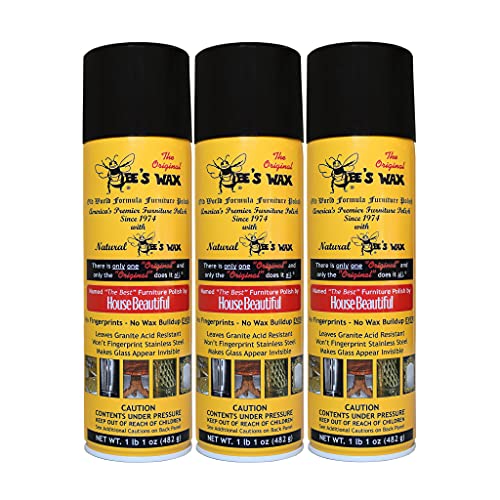
If opting for store-bought solutions, select products specifically designed for wood treatment. Look for those free of harsh chemicals and solvents, which can damage the finish. A cleaner containing beeswax can aid in restoring moisture while providing a protective layer.
Homemade Treatments
Crafting your own solution can be quite beneficial. Baking soda combined with water creates a paste that can efficiently address stubborn spots. Apply the paste gently with a soft cloth, then wipe clean with a damp rag for optimal results.
| Cleaning Solution | Usage |
|---|---|
| Vinegar and Water | Mild stains, regular cleaning |
| Olive Oil and Vinegar | Polish and nourish |
| Beeswax Cleaner | Deep conditioning, protection |
| Baking Soda Paste | Stubborn stains |
Using Household Items to Lift Stains
For tackling those stubborn spots, I rely on simple items found around the home. Here’s a list of solutions that have worked wonders for me:
Baking Soda Paste
Mix equal parts of baking soda and water to form a paste. Apply it gently with a cloth over the affected area, letting it sit for a few minutes before wiping clean.
White Vinegar and Olive Oil
- Combine one part white vinegar with two parts olive oil.
- Use a soft cloth to apply the mixture, following the grain of the surface.
- Buff with a clean cloth to restore shine.
Toothpaste Trick
Non-gel toothpaste can be a useful agent. Apply a small dab onto a soft cloth, gently rub the stain, and then wipe with a damp cloth. Make sure to dry the surface afterward.
Iron and Cloth Method
- Place a damp white cloth over the blemish.
- Set an iron on low heat and move it over the cloth briefly, being cautious not to scorch the wood.
- Check frequently to avoid overheating.
These methods are generally safe for most finishes, but it’s wise to test a small, inconspicuous area first. Each approach requires patience, but the results can be rewarding.
Employing commercial products for stubborn stains
For persistent blemishes, I often turn to specialized cleaning products designed specifically for tackling set-in marks on surfaces. These formulations typically contain powerful solvents that penetrate and lift stains effectively. Look for brands that focus on wood care and ensure they are safe for your specific type of finish.
Types of Products to Consider
Pre-made stain removers are a solid option; they usually come in a spray bottle for easy application. Another choice includes polishing compounds that not only treat stains but also restore shine. Test any cleaner on a hidden area first to confirm compatibility with your item.
Application Techniques
When using a commercial cleaner, apply it according to package instructions. Generally, I use a soft cloth or sponge to gently rub the product into the stain. It’s often effective to let the solution sit briefly, allowing it to break down the mark before wiping it away with a damp cloth. After treatment, I recommend following up with a wood conditioner or polish to revitalize the surface.
Testing Cleaning Methods on Inconspicuous Areas
Before applying any cleaning solution to the visible parts of my surfaces, I first check its effectiveness on a hidden section. I locate a small, less noticeable spot–perhaps on the underside of a table or the back of a chair–where I can safely assess the reaction to the cleaning agent. This approach helps prevent any potential damage or discoloration from spreading.
I apply the chosen solution with a soft cloth, using gentle circular motions. After a few moments, I evaluate the area for any changes. If the finish appears unaffected, I proceed to treat the marked areas. If the hidden spot shows signs of wear, I experiment with a different method or combination until I find one that’s safe and effective.
After treatment, I allow the area to dry completely before reassessing. This ensures I can accurately judge any alterations. By prioritizing inconspicuous areas for testing first, I protect my pieces while still achieving my cleaning goals.
Applying Heat to Extract Moisture
Utilize an iron set to a low heat setting to dissipate moisture lingering under the surface. Position a clean, dry cloth over the stain before gently placing the iron on top. Glide the iron quickly across the cloth, ensuring not to leave it in one spot for too long to prevent damage. This technique allows the warmth to penetrate the fabric, aiding in evaporation without harming the finish.
Additional Precautions
Maintain a distance of about an inch between the iron and the surface to avoid direct contact. Always ensure the iron is clean to prevent any transfer of dirt or residue. If the stain is particularly stubborn, repeating the process a few times may be necessary until the blemish fades.
Post-Treatment Care
Once the mark has diminished, apply a suitable polish to restore luster and protect the surface. This step not only enhances appearance but also reinforces the wood against future mishaps.
Aftercare to Prevent Future Damage
Regularly apply a high-quality wood conditioner or polish to the surface. This strengthens the protective barrier, reducing the likelihood of moisture penetration.
Coasters and Protectors
Invest in coasters for all beverages. Opt for cork or felt materials as they absorb moisture and prevent direct contact with surfaces. Use placemats under plant pots or decorative items to shield against accidental spills.
Humidity Control
Maintain a stable humidity level in your home. Utilize a humidifier during dry seasons and a dehumidifier in damp conditions. Keeping your environment balanced safeguards against warping or damage.
DIY Wood Polish Recipes for Maintenance
I create my own wood polish using simple ingredients. One popular recipe combines equal parts of oil and vinegar. I mix 1 cup of olive oil with 1 cup of white vinegar in a bowl. This blend not only cleans but also nourishes the surface, leaving a natural shine.
Another effective formula includes beeswax for a richer finish. I melt 1 part beeswax in a double boiler, then add 4 parts mineral oil. After cooling, this paste can be applied with a soft cloth, providing long-lasting protection and shine.
- Olive Oil and Vinegar: Mix 1 cup of olive oil and 1 cup of white vinegar.
- Beeswax and Mineral Oil: Melt 1 part beeswax with 4 parts mineral oil.
For a citrus-scented option, I blend 2 cups of mineral oil with the zest of one lemon. This not only freshens the scent but also enhances the luster. I store it in a spray bottle for easy application.
- Mineral Oil and Lemon Zest: Combine 2 cups of mineral oil with zest from one lemon.
Keeping furniture in top shape requires regular maintenance. I recommend applying these polishes every few months to maintain the finish and protect against wear.
When to Consult a Professional for Restoration
Seek professional assistance if the damage appears extensive or if you’ve tried various methods without success. If the finish is compromised, such as peeling or deep scratches, it’s best to let an expert handle the delicate repairs to avoid further damage.
Signs Indicating the Need for Expert Help
Notice bubbling or discoloration that persists despite home remedies. If imitation techniques fail to yield results or if your attempts result in grain damage, it’s time to bring in a specialist. Also, consider consulting with a professional if you’re unsure of the wood type, as improper treatments can lead to irreversible harm.
Benefits of Professional Restoration Services
Professionals possess access to advanced tools and high-quality finishes that can dramatically rejuvenate the appearance of your items. They can meticulously blend colors and textures, ensuring an impeccable final look that is difficult to achieve independently. Their expertise can also provide peace of mind, knowing the job is in capable hands.
FAQ:
What are some simple methods to remove cup rings from wood furniture?
One effective method is to use a mixture of equal parts white vinegar and olive oil. Apply it to a soft cloth and gently rub the ring in circular motions. Another option is using baking soda and water to form a paste. Apply the paste to the ring, let it sit for a few minutes, then wipe it off with a damp cloth. For more stubborn stains, try using a small amount of mayonnaise on the spot; let it sit for a while before wiping clean with a soft cloth.
Are there any commercial products that can help remove cup rings from wood?
Yes, there are several commercial products specifically designed to remove stains from wood surfaces. Look for wood cleaners or polish that contain oils or waxes, which can help to lift the stain. Products like furniture polish or specialized stain removers can also be effective. Always follow the manufacturer’s instructions and test a small area first to ensure compatibility with your furniture’s finish.
Can I prevent cup rings from forming on my wooden furniture?
To prevent cup rings from appearing, consider using coasters under all drinks. It’s also a good idea to apply a protective finish on your wood furniture, such as varnish or a furniture wax. Regular maintenance, such as cleaning and polishing, can keep the surface in good condition and reduce the risk of stains. Lastly, avoid placing hot or cold items directly on the wood surface without protection.
Is there a natural way to remove cup rings from wood furniture?
Yes, natural remedies like baking soda, vinegar, or lemon oil can effectively remove cup rings. For instance, a mixture of baking soda and water can be made into a paste and gently rubbed onto the ring. Additionally, applying a small amount of lemon oil can help restore the wood’s shine while removing moisture stains. Always test these methods on a hidden area first to check for any adverse reactions.
What should I avoid doing when trying to remove cup rings from wood furniture?
Be cautious about using abrasive cleaners or pads, as they can scratch the wood surface. Avoid excessive water exposure, as this can further damage the wood. Also, refrain from using heat to try to dry the stain, as it can set the mark. Finally, steer clear of strong solvents or chemicals that may strip the finish or alter the color of your furniture.
What is the best way to remove cup rings from wood furniture?
To effectively remove cup rings from wood furniture, one common method involves using a mixture of olive oil and vinegar. Combine equal parts of both liquids and apply the solution to the stained area using a soft cloth. Gently rub the mixture into the ring in the direction of the wood grain until the stain fades. Afterward, wipe off any excess and polish the area with a dry cloth. This method not only tackles the stain but also nourishes the wood, enhancing its natural finish.
Are there any household items I can use to fix wood furniture with cup marks?
Yes, several household items can be used to tackle cup marks on wood furniture. One popular option is the use of mayonnaise. Simply apply a small amount of mayonnaise directly onto the ring and let it sit for a few hours or overnight. The oils in the mayonnaise will help to lift the moisture from the wood, reducing the appearance of the ring. Once the time has passed, wipe away the mayonnaise with a clean cloth and buff the area. Additionally, you can use baking soda mixed with water to form a paste and gently rub it on the stain, following up with a clean, damp cloth.


