Caleb Turner
Immediately apply cornstarch or baking soda directly onto the affected area. These natural absorbents will lift the residue efficiently. Allow it to sit for about 15 minutes before gently wiping with a soft cloth.
If the mark persists, mix equal parts of vinegar and olive oil in a bowl. Use a clean cloth to apply the mixture, moving along the grain to avoid scratches. This blend not only tackles the discoloration but also nourishes the finish.
For tougher situations, consider using a specialized cleaner designed for delicate surfaces. Always test in an inconspicuous area first to ensure compatibility. After cleaning, a light application of furniture wax can help restore a protective layer and enhance shine.


Effective Approaches for Tackling Greasy Residue on Timber Surfaces
I utilize a few straightforward techniques to address unpleasant marks on my wooden surfaces. The following methods have proven useful in restoring the appearance of my furnishings.
Baking Soda and Water Mixture
- Combine equal parts of baking soda and water to form a paste.
- Apply the paste directly on the affected area and gently rub with a soft cloth.
- Allow it to sit for approximately 10-15 minutes.
- Wipe away the paste with a damp cloth, then dry the surface thoroughly.
Vinegar Solution
- Mix one part vinegar with two parts water in a spray bottle.
- Lightly mist the solution onto a clean cloth.
- Gently rub the stained area until the mark lifts.
- Finish by wiping the area with a dry cloth to avoid moisture damage.
By employing these techniques, I’ve managed to maintain the integrity of my wooden pieces while effectively eliminating unwanted marks. Regular cleaning and immediate attention to spills also help prevent deeper embedding of residues.
Identify the Type of Wood Finish
Determining the finish on your surface is crucial before attempting any cleanup. A simple water test can discern between oil-based and water-based finishes. Place a few drops of water on the affected area; if it beads up, an oil finish is present. If the liquid absorbs, you likely have a water-based coat.
Recognizing Specific Finishes
Polyurethane finishes offer a hard, durable coat. They might appear glossy and are generally resistant to moisture. Shellac finishes, usually amber in hue, also reflect a bright sheen. Conversely, penetrating oils and wax finishes are softer and can feel more natural to the touch.
Inspecting for Surface Damage
While checking the finish, inspect for any damage. Scratches or dents that penetrate the surface indicate a need for more gentle methods to ensure the integrity of the underlying material. Each finish has its own response to cleaning agents, so identifying the correct type is essential for maintaining the aesthetic appeal and longevity of your piece.
Gather Necessary Cleaning Supplies
To tackle the challenge effectively, I collect specific items before starting the cleaning process. First, I ensure I have a soft cloth, preferably microfiber, to avoid scratches on the surface. Paper towels can also be handy, but I prefer cloth for absorption.
Next, I grab a mild dish soap and water solution, as it is gentle yet effective. I often use a small bowl to mix a few drops of soap into warm water. Additionally, I keep a bottle of white vinegar nearby, known for its natural cleaning ability, which can aid in breaking down residues.
Additional Tools
For tougher areas, I consider acquiring a soft-bristled brush. If a paste is needed, I might prepare a mixture of baking soda and water, allowing me to gently scrub without causing damage. Finally, I always have a good-quality wood polish or conditioning oil on hand, used after cleaning to restore the shine and protect the finish.
Test Cleaning Solution on a Hidden Area
Before applying any cleaning mixture, I always check its compatibility with my surface by testing it on a concealed section. This ensures no adverse reactions will damage the exterior.
Steps for Testing
- Choose an inconspicuous spot, such as the back or underside of the item.
- Apply a small amount of the solution using a soft cloth or sponge.
- Wait for a few minutes to observe any changes in the wood finish or color.
- Gently wipe the area after the wait time to check for residue or discoloration.
If no negative effects are seen, I proceed with the cleaning on the affected areas confidently. If any damage appears, I switch to a milder approach or alternative method for treatment.
Utilize Mild Soap and Warm Water Solution
Mix a small amount of mild dish soap with warm water in a bowl. Aim for a solution that is soapy but not overly sudsy. Dampen a soft cloth in this mixture, ensuring it’s not dripping wet, to avoid excess moisture on the surface.
Application Technique
Gently rub the affected areas with the cloth, working in the direction of the grain. Start with light pressure to avoid damaging the surface. If necessary, increase the pressure gradually, but remain cautious. Always keep the cloth damp rather than wet, as excess moisture can warp or damage the finish.
Rinsing and Drying
After cleaning, it’s important to wipe the area with a dry cloth to remove any soap residue. Allow the surface to air dry completely. This process helps restore the beauty of the finish without introducing new issues.
| Step | Action |
|---|---|
| 1 | Mix mild soap with warm water |
| 2 | Dampen a soft cloth with the solution |
| 3 | Gently rub the area along the grain |
| 4 | Wipe with dry cloth to remove residue |
| 5 | Let the surface air dry completely |
Apply Baking Soda for Stubborn Stains
For persistent marks, I prefer using baking soda. It acts as a gentle abrasive and can effectively lift blemishes without damaging the surface. Here’s the approach I follow:
- Combine three parts baking soda with one part water to create a paste.
- Apply the paste directly on the affected area using a soft cloth or sponge.
- Gently rub in a circular motion, allowing the mixture to penetrate the mark.
- Leave it for about 10-15 minutes to allow the baking soda to absorb the residue.
- Wipe off with a damp cloth and check the results.
- If needed, repeat the process until the blemish is minimized.
Additional Tips
- Always test the paste on an inconspicuous area first to confirm it won’t alter the finish.
- For enhanced effectiveness, consider mixing baking soda with a small amount of white vinegar instead of water.
- After cleaning, follow up with a recommended wood polish to restore the luster of the surface.
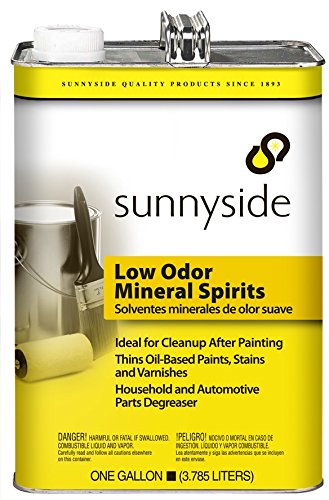
Consider Using Mineral Spirits for Deep Cleaning
For tough residues on your surfaces, I turn to mineral spirits. This solvent is effective in breaking down greasy deposits ingrained in the finish. Before applying, ensure the area is well-ventilated, as fumes can be strong.
Application Process
Using a soft cloth, I dampen one corner with mineral spirits. Next, I gently rub the affected area, working in small sections to avoid spreading the residue. It’s advisable to keep a second clean, dry cloth handy to wipe off excess solvent. After cleaning, I allow the area to dry completely to evaluate if further treatment is necessary.
Safety Precautions
Always wear gloves during the process to protect my skin. If you spill any solvent, I make sure to clean it up immediately to prevent damage to surrounding surfaces. Lastly, I store any leftover product in a safe, upright position, away from heat sources.
Buff the Area with a Soft Cloth
After treating the affected spot, I gently take a clean, soft cloth and begin to buff the area in circular motions. This helps to restore the shine and blend any remaining residue into the surrounding surface. Choosing a microfiber cloth ensures that I avoid scratching the finish while effectively lifting any last bits of debris.
It’s important to apply light pressure, allowing the cloth to do the work without damaging the underlying material. I usually work from the outer edge toward the center of the mark, which helps in fading the appearance gradually. If the finish is still looking dull, I might repeat this buffing process until I achieve the desired smoothness and gloss.
In case the surface still feels tacky or uneven, another round of buffing might be necessary. I remain patient during this part to ensure the best outcome for the surface’s appearance.
Reapply Finish if Needed
After cleaning, it’s crucial to assess the surface integrity. If there’s noticeable dullness or damage, applying a fresh coat of finish can restore its original luster. Ensure the area is completely dry and free of cleaning agents before proceeding.
Select a finish that matches the existing coating–varnish, lacquer, or oil-based, depending on your piece’s specification. Follow the manufacturer’s instructions for application. Typically, a brush or cloth can work for even distribution. Avoid over-saturating the surface to prevent an uneven appearance.
Allow the new layer to cure fully, following the suggested drying times. This ensures adequate protection and durability moving forward. Testing a small, inconspicuous area may provide insights into appearance and adherence before full application.
Implement Preventive Measures for Future Stains
Applying coasters or placemats under items that often come into contact with surfaces can significantly reduce the likelihood of unsightly marks. Opt for absorbent materials, which assist in soaking up moisture and oils before they penetrate the finish.
Regularly dusting and cleaning using a suitable wood-safe cleaner prevents build-up that could turn into a long-term issue. Schedule periodic maintenance to keep surfaces in prime condition, which minimizes potential damage.
Environmental Considerations
Maintain optimal humidity levels in your space. Excessively dry air can lead to cracks in the finish, while high humidity may promote mold or mildew growth. Consider using humidifiers or dehumidifiers depending on your climate.
Protective Measures for Rituals
Before sitting or lounging, wearing garments made from soft materials reduces the risk of transferring oils. Encourage household members to be mindful of their activities near wooden surfaces. Training children and pets can help in mitigating possible incidents.
| Measure | Benefit |
|---|---|
| Coasters | Absorb moisture and prevent direct contact |
| Regular Cleaning | Reduces dust build-up and maintains finish |
| Humidity Control | Prevents damage from extreme environments |
| Awareness Training | Makes users conscious of their impact |