Caleb Turner

I recommend addressing discoloration on wooden surfaces with a delicate approach. Start by mixing equal parts of baking soda and water, creating a paste. Apply this mixture gently with a soft cloth, using circular motions. This method helps to lift the discoloration without causing additional damage.
If the initial attempt does not yield satisfactory results, consider introducing a small amount of vinegar to the paste. Vinegar acts as a natural cleaner and can enhance the effectiveness of your solution. Ensure to test this on a hidden area first to verify compatibility with the finish.
After successfully mitigating the discoloration, it’s essential to restore the natural luster of the wood. Using a quality wood polish or a blend of olive oil and vinegar will nourish the surface, ensuring it appears refreshed and vibrant. Apply sparingly, buffing with a clean cloth for best results.


Eliminating Discoloration on Timber Surfaces
For effective treatment, my first step involves gathering materials: fine-grit sandpaper, a soft cloth, mineral spirits, and finish or wax that matches the original coating. I ensure the area is well-ventilated and ready for work.
Gently sand the affected area using fine-grit paper, being cautious not to remove too much material. This will help blend the lightened section with the surrounding area. Following this, I use a cloth dampened with mineral spirits to clean the surface and remove any dust.
Applying the Finish
Next, I apply a matching finish to the sanded area, feathering it out slightly beyond the lightened spot to achieve a seamless look. If a wax is being used, I rub it in circular motions for an even application. Allowing it to dry completely is crucial before assessing the result.
Final Touches
If necessary, I repeat the application step for additional coverage. Once satisfied with the appearance, buff the surface lightly with a clean cloth for a polished look. Optionally, I can use a quality furniture polish to protect the area further.
Assessing the Damage on Your Wood Furniture
Begin by closely examining the affected area. Identify the extent of the lightening and whether it penetrated the surface or just altered the finish. Gently run your fingers over the spot to feel for texture changes, such as roughness or unevenness.
Next, determine if the colored layer has completely changed or faded. If it’s merely discolored, a light sanding could restore some of its original appearance, but deeper changes might necessitate more intricate repair strategies.
Make note of any scratches or dents nearby, as these can complicate the repair process. It’s important to check for damage beyond the immediate area, as adjacent sections could require attention to maintain a uniform look.
If possible, take a picture for reference, allowing for easier comparison post-repair. Testing a small, inconspicuous area can provide insight into how well the finish can be rejuvenated before committing to a larger repair.
Finally, if unsure, seek the advice of a professional restoration expert, who can offer tailored recommendations based on the specific characteristics of your piece. Accurate assessment is key to determining the most effective course of action.
Choosing the Right Wood Finish for Repair
For a successful repair, selecting a compatible topcoat is key. Start by assessing the existing finish on the surface. Identify whether it is polyurethane, lacquer, or oil-based. This determination will guide your choice. If unsure, a small test area can reveal the finish type through layering responses.
Types of Wood Finishes
- Polyurethane: Best for durability and water resistance. Ideal for high-traffic areas.
- Lacquer: Offers a fast-drying option with a brilliant sheen. Suitable for detailed pieces requiring a polished look.
- Oil-based: Provides a warm luster, penetrating deep into the grain. It enhances natural beauty but takes longer to dry.
Once the finish type is identified, ensure you choose a product that matches both the sheen and the compatibility with the underlying layer. For instance, applying an oil-based finish over a water-based one could lead to adhesion issues and uneven appearances.
Application Techniques
- Clean the surface thoroughly to ensure optimal bonding.
- Use a fine-grit sandpaper to smooth the area, feathering edges for a seamless transition.
- Apply several thin coats, allowing for complete drying between applications. This enhances durability and aesthetics.
For the best results, consider testing the finish on a sample piece before proceeding. This step helps confirm the color match and overall outcome, ensuring satisfaction with the repairs.
Gathering Necessary Materials for the Restoration
Begin with collecting high-quality sandpaper in various grits, such as 120, 220, and 320, to prepare the surface. A sanding block or electric sander will provide consistency and ease during this process.
Acquire a wood filler that closely matches the tone of the original piece. Consider testing a small amount on an inconspicuous area to ensure the correct hue.
A selection of stain products will be important to mimic the original finish. Choose both oil-based and water-based options based on the existing finish on your item.
Have a clean cloth or sponge ready for applying finishes, as well as brushes or foam applicators for precision. A small paintbrush can help reach corners and intricate designs.
Ensure you have protective gear such as gloves and a mask, especially if working in a poorly ventilated space. A drop cloth will help protect surrounding areas from spills.
Tools such as putty knives and scrapers will assist with applying the filler smoothly. Finally, include a finishing oil or sealant to restore shine and protect the surface after the restoration is complete.
Applying Stain to Match the Original Wood Color
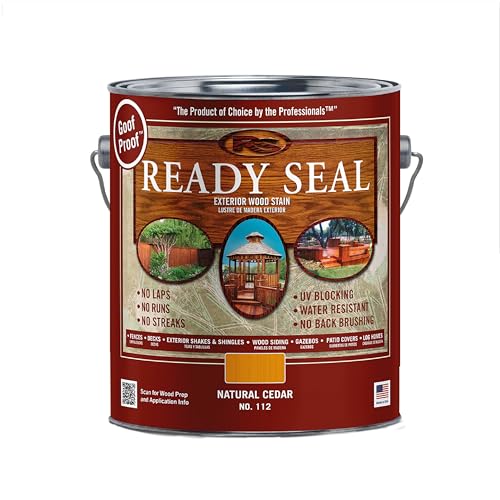
Choose a color that closely resembles the original shade of the surface. Inspect various samples in natural light to find the best match. Take a small wood piece or test area if available to see how the color appears on the surface.
Preparation Steps
Ensure the surface is clean and free from dust. Sand lightly to promote adhesion, then wipe with a damp cloth to remove any particles. Allow it to dry completely.
Application Technique
Use a clean cloth or brush to apply the color evenly. Work in the direction of the grain to help blend it seamlessly. Start with a thin layer, and increase the concentration as needed to match the tone.
| Step | Action |
|---|---|
| 1 | Choose the correct hue |
| 2 | Clean the surface |
| 3 | Sand lightly |
| 4 | Apply with cloth or brush |
| 5 | Let it dry and assess |
Allow the application to dry fully before assessing the color match. If necessary, apply additional layers gradually, ensuring to check each one thoroughly. This approach creates a natural look and minimizes noticeable differences.
Using Wood Conditioner to Prep for Finishing
Before applying any finish, I rely on a high-quality wood conditioner to prepare the surface. This step improves the absorption of the finish, ensuring a more even application. I choose a water-based conditioner for light woods and an oil-based one for darker varieties, as they enhance the natural grain without altering the original color.
Applying the conditioner is simple: I start by cleaning the surface to remove dust and debris. Once the surface is clean, I evenly distribute the conditioner using a soft cloth or brush, working in the direction of the grain. I make sure to follow the manufacturer’s instructions regarding drying time, typically allowing around 15 to 30 minutes for the product to penetrate properly.
After drying, I lightly sand the surface with fine-grit sandpaper to ensure a smooth finish. This step also helps eliminate any raised fibers caused by the conditioner. I wipe away the dust with a tack cloth to prepare for the next layer of finish, ensuring that the surface is ready for optimal results.
Sealing the Repaired Area with Clear Coat
After addressing discoloration on the surface, applying a clear coat ensures lasting protection and an attractive finish. I choose a water-based polyurethane for its durability and ease of use. This type dries quickly and has low odor.
Steps to Apply Clear Coat
- Clean the repaired surface thoroughly with a soft cloth to eliminate any dust particles.
- Using a high-quality brush or foam applicator, apply a thin layer of clear coat. Work in the direction of the wood grain for a smoother finish.
- Allow the first coat to dry according to the manufacturer’s instructions, typically 2-4 hours.
- Sand lightly with fine-grit sandpaper once dried to promote adhesion of subsequent layers.
- Wipe away any dust from sanding and apply a second coat. Repeat the drying and sanding process.
- For optimal protection, consider applying a third coat, following the same procedure.
Considerations for Application
- Always work in a well-ventilated area to minimize exposure to fumes.
- Test the clear coat on a small, inconspicuous area to ensure compatibility with the existing finish.
- Observe drying times and conditions to avoid imperfections in the final appearance.
This sealing process not only beautifies the repair but also protects the surface from moisture and wear, contributing to the longevity of the piece.
Testing the Repair Under Different Lighting Conditions
After completing the touch-up process, it is crucial for me to evaluate the results under varied lighting scenarios. First, I inspect the area under natural sunlight to identify how well the hue blends with the surrounding surface. Sunlight reveals imperfections that artificial lighting might conceal.
Next, I switch to incandescent bulbs, as they emit warm light, affecting the perception of colors. This lighting choice allows me to assess any discrepancies or mismatches due to the warmth of the light.
Fluorescent lights provide a cooler tone, which can also impact how the repaired segment appears. I stand back and analyze the area under fluorescent illumination to ensure there are no glaring differences compared to the unaffected sections.
Lastly, I utilize soft, diffused lighting in the evening to evaluate the work in lower light conditions. This step helps me determine how the restoration appears in different environments typical of my living space.
If I notice any inconsistencies during these evaluations, I adjust the applied finish or stain accordingly until satisfied with the overall look. A consistent appearance across various lighting conditions confirms a successful restoration effort.
Maintaining Your Wood Furniture After Repair
Regular upkeep helps sustain the appearance and longevity of your restored pieces. Start by using a soft, lint-free cloth for dusting to prevent scratches.
Apply a high-quality furniture polish monthly to enhance the finish and protect against moisture and UV damage. Look for products designed specifically for the type of finish used in your restoration.
Controlling Humidity and Temperature
Maintaining consistent indoor humidity levels will help prevent warping and cracking. Ideally, keep humidity between 40-60%. Use a humidifier in dry seasons and ensure adequate ventilation during humid conditions.
Handling Spills and Marks
Immediately wipe up liquids with a soft cloth to avoid absorption, which can lead to further damage. For minor scratches, use a touch-up marker matching your color. For deeper marks, consider applying a small amount of the same finish you used for the repair to blend the area visually.