Caleb Turner

Act quickly with a mixture of warm water and a few drops of dish soap. This approach loosens the residue without damaging surfaces. Use a soft cloth or sponge for application, working in gentle circular motions to avoid scratching.
If the marks persist, create a paste from baking soda and a bit of water. Apply this mixture directly to the trouble spots and allow it to sit for about 10-15 minutes. The mild abrasiveness of baking soda will lift the discoloration effectively.
For stubborn areas, have white vinegar on hand. Dilute it with equal parts water, then spray it onto the surfaces. Let it sit briefly before wiping down to eliminate any lingering traces. Rinse thoroughly to prevent residual odors from the vinegar.


Finish the cleaning process by applying a protective sealant suitable for your material type. This step helps repel future mishaps and keeps surfaces looking their best.
Cleaning Strategies for Avian Droppings on Patio Seating
Act fast. Mix warm water with mild dish soap in a spray bottle. Generously spray the affected area, ensuring it soaks the residue. Allow it to sit for a few minutes to loosen the excrement.
Use a soft cloth or sponge to gently scrub the surface. For tougher marks, a plastic scraper can be utilized to lift the dried material without scratching the finish.
Rinse thoroughly with clean water, using a hose or damp cloth to eliminate any soap residue. Dry the area with a soft towel to prevent water spots.
If discoloration remains, create a paste of baking soda and water. Apply this to the stain and let it sit for 15-20 minutes before gently scrubbing and rinsing again.
In cases of stubborn residue, a mixture of equal parts vinegar and water can serve as a natural alternative. Spray, let it sit, scrub, and rinse as before.
For wooden pieces, consider using a wood-safe cleaner. Follow manufacturer instructions for coatings or finishes.
Regular maintenance and protection measures, such as covers or treatments, can significantly reduce future difficulties.
Understanding the Damage Caused by Bird Droppings
The acidic nature of avian excrement can lead to corrosion and discoloration of surfaces if not addressed quickly. Different materials are affected to varying degrees; for instance, wood can warp while metals might oxidize. The longer these residues remain, the more challenging they become to eliminate and the higher the risk of permanent damage.
Materials at Risk
Wood is prone to staining and absorption, which not only detracts from its aesthetic appeal but can also compromise structural integrity over time. Metal surfaces may develop rust due to oxidation, impacting longevity. Synthetic materials, while more resilient, can still suffer from fading and discoloration.
Signs of Damage
Look for discoloration, texture changes, or an uneven surface sheen. Early detection is key; address any unsightly marks immediately to prevent further issues. Regular maintenance can minimize these risks and preserve the integrity of your outdoor pieces.
Choosing the Right Cleaning Supplies for Outdoor Furniture
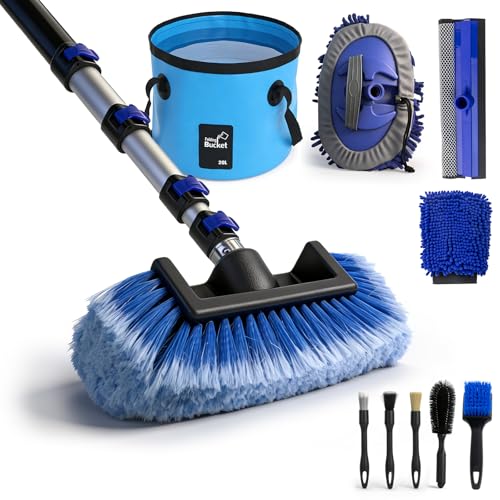
For effective maintenance of your patio items, select high-quality materials that are specifically designed to tackle tough residues. I recommend using the following:
| Cleaning Supply | Purpose | Recommended Types |
|---|---|---|
| Microfiber Cloths | Gentle yet effective wiping | Soft, absorbent varieties that won’t scratch surfaces |
| Non-Abrasive Cleaner | Breaking down grime without damaging | Eco-friendly formulas or specialized outdoor cleaners |
| Baking Soda | Natural deodorizer and stain lifter | Pure, without additives |
| Vinegar | Disinfecting and cutting through grease | White distilled vinegar for best results |
| Soft-Bristled Brush | Reaching textured surfaces | Brushes specifically made for delicate finishes |
| Water Hose with Nozzle | Rinsing down after cleaning | Adjustable spray options for gentle or strong flow |
Each of these items will aid in restoring the appearance of your surfaces, ensuring they remain inviting and functional. It’s crucial to follow guidelines regarding the particular materials of your patio items as some may have specific care requirements.
Preparing the Furniture for Stain Removal
Clear the area around the seating or table, ensuring no debris interferes with the cleaning process. I recommend using a soft brush or cloth to remove any loose dirt or leaves, as these can scratch surfaces during cleaning.
Next, inspect the affected areas closely to assess the impact of the droppings. Identifying any material-specific issues, such as rust on metal or wood damage, can guide the approach. For wooden items, lightly sanding the spots may be beneficial prior to applying any cleaning solutions.
Protect surrounding areas by placing a drop cloth or newspaper underneath the item. This precaution will catch any dripping cleaning solution, avoiding further mess on your patio or deck. Additionally, consider wearing gloves and a mask if the residue is particularly stubborn, as safety always comes first.
For those with removable cushions or covers, take them inside for cleaning separately. Assess each fabric type to select the appropriate cleaning method, ensuring the best outcome without damaging the materials.
Step-by-Step Guide to Removing Fresh Bird Droppings
Begin with wearing gloves for protection. Prepare a mixture of warm water and mild dish soap, ensuring the solution is well-blended. Using a soft cloth or sponge, dampen it with the soapy solution. Gently dab the contaminated area, allowing the moisture to penetrate for a couple of minutes.
Rinsing and Drying
After the initial treatment, rinse the spot with clean water using another cloth. For any leftover residue, repeat the dabbing process until the area is clear. Finally, dry the surface thoroughly with a microfiber cloth to prevent water spots.
Table of Cleaning Supplies
| Item | Purpose |
|---|---|
| Gloves | Protection during cleaning |
| Mild Dish Soap | Safe cleaning agent |
| Warm Water | Helps in loosening debris |
| Soft Cloth/Sponge | Gentle application for cleaning |
| Microfiber Cloth | For drying without scratching |
Make sure to act quickly for the best results, as fresh marks are easier to tackle than older ones. Regular maintenance can help prevent build-up and keep surfaces looking pristine.
Best Methods for Tackling Dried Dropping Marks
Soaking the area with water is the first step. Use a spray bottle to moisten the dried mess, allowing it to soften for about 10 to 15 minutes. This makes scraping much easier.
- For scraping, utilize a plastic scraper or an old credit card. Avoid metal tools, as they may scratch surfaces.
- After loosening, use a damp cloth to wipe away any residues. Rinse the cloth frequently to prevent spreading.
Cleaning Solutions
Mix warm water with a mild detergent or choose a specialized cleaner designed for patio materials. I found that a solution of vinegar mixed with water works wonders, particularly for wood and metal surfaces.
- Apply the cleaning solution directly onto the area affected.
- Allow it to sit for several minutes to break down the remaining residues.
- Scrub gently with a soft-bristle brush, then rinse thoroughly with water.
For stubborn marks, a paste of baking soda and water can be effective. Spread it over the area, let it sit for half an hour, then scrub and rinse.
Final Touches
Once cleaned, ensure the surface is completely dry. This prevents any residual moisture from causing mold or mildew growth. If using a sealant or protective coating on wood, plan to reapply periodically for ongoing protection.
How to Protect Outdoor Furniture After Cleaning
Apply a high-quality sealant designed for the specific material of your seating and tables. This protective layer will prevent future harm from various elements.
Regular Maintenance Tips
- Utilize a soft cloth and a gentle cleaner weekly to remove dust and grime.
- Store cushions in a dry place or use weatherproof covers during off-seasons.
- Select a shaded area for prolonged usage to minimize exposure to sunlight.
Seasonal Precautions
- Before winter, clean thoroughly and cover items with appropriate tarps or furniture covers.
- Consider using a protective spray designed for your furniture’s material as an added layer of defense.
- Inspect periodically for any damage and address it promptly to extend the lifespan of your items.
Invest in quality protection methods, and maintain a routine to preserve the appearance and integrity of your outdoor pieces throughout the seasons.
Natural Remedies for Stain Elimination
Applying a mixture of vinegar and baking soda is a powerful method to combat residue. Combine equal parts of each in a spray bottle, shake to mix, and apply directly onto the affected surface. Let it sit for at least 15 minutes before wiping with a soft cloth.
Citrus Approach
Utilizing citrus fruits, particularly lemons, can also be effective. Squeeze fresh lemon juice on the mark, and allow it to penetrate for about 10 minutes. The natural acidity of the lemon breaks down the debris, making it easier to wipe away. Rinse with water afterward.
Olive Oil and Vinegar Blend
A blend of olive oil and vinegar not only cleans but also conditions surfaces. Mix three parts olive oil with one part vinegar and apply with a cloth, buffing gently. This method is particularly useful for wooden pieces, providing a protective layer post-cleaning.
When to Seek Professional Cleaning Services
If I notice persistent discoloration or damage despite my cleaning efforts, it’s time to consider expert help. Stubborn marks that resist typical methods can signal deeper issues requiring specialized tools and techniques. Additionally, I assess the material of my outdoor pieces; delicate surfaces often benefit from professional attention.
Signs That Indicate Professional Help is Needed
- Repeated attempts yield minimal improvement.
- Materials are delicate, such as certain woods or fabrics prone to discoloration.
- Damage appears extensive or involves multiple pieces.
- Time constraints prevent thorough cleaning on my part.
- Concern arises about possible long-term effects on the surfaces.
Benefits of Hiring Experts
- Access to specialized cleaning agents that ensure safe application.
- Experience that guarantees effective treatment of tough residues.
- Professional tools that can often achieve results unattainable through home methods.
- Advice on maintenance and protection post-cleaning for future care.
Recognizing the right moment for professional cleaning can save both the appearance and longevity of my outdoor assets. Prioritizing care ensures their durability and aesthetic appeal.
FAQ:
What are some simple methods to clean bird poop stains from my outdoor furniture?
There are several straightforward methods you can use to clean bird poop stains effectively. One common method is to create a mixture of warm water and mild dish soap. Apply this solution to the stained area using a soft cloth or sponge. Gently scrub the stain until it lifts, and then rinse with clean water. Another option is to use white vinegar, which can break down the residue. Simply spray it on the stain, let it sit for a few minutes, and then wipe it away. For tougher stains, consider using a paste made of baking soda and water, as this can help to lift the grime without scratching your furniture.
Are there any specific cleaning products recommended for more delicate outdoor furniture materials?
For delicate outdoor furniture materials such as wicker or certain types of plastics, it’s best to use gentle, non-abrasive cleaners. Look for products labeled as safe for outdoor use. A diluted solution of mild soap and warm water can be effective, but always test a small, inconspicuous area first to ensure there is no damage. Additionally, you might consider using furniture wipes designed for outdoor surfaces, as these typically contain safe cleansing agents and leave a protective layer to help repel future stains.
How can I prevent bird poop stains from occurring on my outdoor furniture?
To minimize the chances of bird poop stains on your outdoor furniture, consider a few preventive measures. First, try to position your furniture away from trees or areas where birds frequently gather. Additionally, using furniture covers when your outdoor space is not in use can provide protection from droppings and other environmental factors. Installing bird deterrents, such as reflective objects or noise-makers, can also help discourage birds from swooping down near your furniture.
What should I do if the bird poop leaves a permanent stain on my outdoor furniture?
If you find that a bird poop stain has left a permanent mark on your outdoor furniture, don’t lose hope. Depending on the material, you might be able to restore its appearance. For wood furniture, light sanding followed by re-staining can help conceal the mark. For metal or plastic, using a touch-up paint that matches the color of your furniture may be effective. If the stain is particularly stubborn, consider consulting a professional restoration service, especially for high-end pieces.