Caleb Turner

To tackle green growth on wooden surfaces, I recommend creating a solution with warm water and mild soap. This mixture will effectively lift dirt without harming the natural beauty of the wood. Use a soft cloth or sponge to gently scrub the affected areas, ensuring you follow the grain of the wood.
If the problem persists, a mixture of vinegar and water can be employed. Combine equal parts of both ingredients and apply it to the surface. Let it sit for a few minutes, then scrub lightly with a soft brush. Rinse thoroughly with water afterwards.

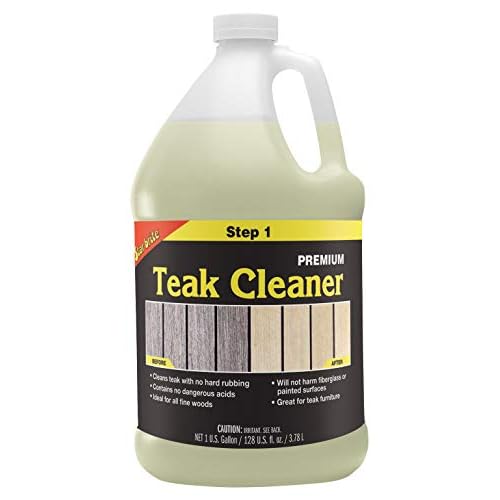

For deeper stains, consider a specialized wooden cleaner designed to eliminate tough marks while preserving the wood’s integrity. Always test the cleaner on a hidden area before applying it to the entire surface to avoid any adverse reactions.
After cleaning, allow the wood to dry completely. To prevent future issues, I recommend regularly applying a quality wood conditioner, which helps maintain the finish and protects it from moisture.
Eliminating Green growth on Wood Surfaces
Mix equal parts of water and white vinegar in a spray bottle and apply it directly to the affected areas. Let it sit for about 10-15 minutes to penetrate the surface. Afterward, scrub gently with a soft-bristle brush, working in the direction of the grain to avoid scratches.
For stubborn spots, create a paste using baking soda and water. Apply this to the problem areas and let it sit for 20 minutes before scrubbing. Rinse thoroughly with clean water after scrubbing to ensure no residues remain.
After treating the surfaces, allow the wood to dry completely before applying any protective oils or sealants. This step is crucial to maintain the integrity of the surface while preventing future instances of growth.
If conditions allow, placing the items in a sunlit area can help in the drying process, as sunlight effectively inhibits growth. Regular maintenance will also minimize recurrence–consider wiping down surfaces periodically with a mild soap solution and rinsing afterward.
Identify Signs of Algae Growth on Teak
To spot unwanted growth on your wooden pieces, look for the following indicators:
- Color Changes: Notice any dark green or black spots on the surface, which can signal the presence of unwanted organisms.
- Texture Variation: Feel for a slimy or slippery surface. This often suggests that moisture and organic matter are present.
- Odor: A musty or damp smell may accompany the growth, indicating ongoing decay linked to moisture retention.
- Growth Patterns: Examine for irregular patches that spread over time. This can complicate the wood’s finish and overall appearance.
- Environmental Conditions: Areas with high humidity or frequent rain are more prone to these issues, increasing the likelihood of identifying problematic growth.
Regular checks will help in early detection of these symptoms, leading to effective maintenance of your wooden items.
Choose the Right Cleaning Supplies for Teak
I recommend using a soft brush or sponge designed for delicate surfaces to avoid scratching the wood’s finish. Synthetic or natural bristles work well, allowing you to gently scrub without causing damage. Avoid hard scrubbing tools that may compromise the teak’s integrity.
Select a mild, biodegradable cleaner specifically formulated for wood treatment. Look for products that contain natural ingredients, as they are less likely to harm the environment and the wood itself while ensuring a thorough clean. Avoid bleach or ammonia-based solutions, as they can lead to discoloration and deterioration.
For additional cleaning power, distilled white vinegar mixed with water is an effective solution. Use a ratio of one part vinegar to three parts water. This mixture can help break down grime without adversely affecting the wood’s character.
Ensure to have a soft cloth or chamois on hand for drying after cleaning. This step prevents water spots and helps maintain the furniture’s luster. Avoid using abrasive materials for wiping, as they can leave scratches and diminish the natural beauty of the grain.
Finally, consider wearing gloves during the cleaning process, especially if you’re using cleaning products. This helps protect your skin from irritation and allows for a firm grip on the cleaning tools.
Step-by-Step Guide to Removing Algae
Gather the following supplies before beginning the cleaning process:
- Soft-bristle brush or sponge
- Oxygen bleach or specialized teak cleaner
- Water hose or bucket of warm water
- Soft cloths or towels
- Protective gloves
1. Preparation of the Area: Place the item in a well-ventilated location, ensuring direct sunlight exposure. This accelerates drying and helps in spotting any remaining stains.
2. Initial Rinse: Lightly spray or pour water over the surface to remove loose debris. This makes the main cleaning more effective.
3. Applying Cleaner: Mix oxygen bleach with water following the manufacturer’s instructions. Avoid chlorinated products as they may damage the wood. Apply the solution liberally using the brush or sponge.
4. Scrubbing: Gently scrub the affected areas, working along the grain of the wood. Pay attention to grooves and joints where buildup may be heavier.
5. Allow to Sit: Let the cleaner sit on the wood for 10 to 15 minutes. This gives it time to penetrate and break down any remaining residues.
6. Final Rinse: Use a hose or bucket of fresh water to rinse off the cleaning solution thoroughly. Ensure no residue is left behind, as it can lead to more growth later.
7. Drying: Wipe down with soft cloths or towels to remove excess water. Allow the item to air dry completely in a well-ventilated area, avoiding direct prolonged sunlight which can cause warping.
8. Inspection: Once dry, check for any remaining discoloration. Repeat the cleaning process if necessary.
9. Maintenance: Regularly clean and oil the wood to protect it and prevent future growths. Consider applying a sealant designed for outdoor wood to shield against environmental factors.
Preventing Future Algae Growth on Teak
Ensure proper ventilation for your outdoor wooden pieces. Arrange them in a way that allows airflow around each item, minimizing moisture retention that leads to growth issues.
Avoid placing these items directly on soil or grass; instead, use a raised platform or decorative tray to prevent contact with damp surfaces.
Regularly inspect surfaces for any signs of moisture accumulation or shading. If certain areas are prone to dampness, consider relocating your items to sunnier locations.
Implement a cleaning schedule, wiping surfaces periodically with a dry cloth to remove dust and debris, which can contribute to moisture retention.
Apply protective oils specifically designed for outdoor wood. A high-quality teak oil provides a seal that helps keep surfaces dry while enhancing the natural beauty.
Add a protective wax finish occasionally. This creates a barrier, further reducing moisture absorption in the wood grain.
Be mindful of surrounding plants. Trim foliage that may cast excessive shade or collect water, as this can create an unsuitable environment for your wooden pieces.
Consider using a UV-resistant cover during prolonged periods of inactivity. This can shield against moisture and harmful UV rays, prolonging the lifespan of your investments.
By implementing these strategies, I’ve noticed a significant decline in unwanted growth on my pieces, keeping them in pristine condition for years.
Protect Your Teak Surfaces After Cleaning
Once I finish cleaning, I always ensure to apply a quality teak oil or sealer to maintain the wood’s rich appearance and longevity. This oil penetrates deeply, providing a moisture barrier and enhancing the natural color of the wood.
Before applying any treatment, I allow the surface to dry completely to prevent trapping moisture underneath. I typically wait at least 24 hours after cleaning.
I find using a clean, soft cloth to apply the oil works best. I pour a small amount onto the cloth and rub it into the grain in circular motions, ensuring even coverage. It’s important to follow the manufacturer’s instructions for drying times and application intervals.
Occasionally, I inspect the furniture for signs of wear or discoloration. If I notice any fading, I reapply the oil to maintain protection. Keeping the surfaces covered during inclement weather can significantly extend their lifespan.
To further safeguard against environmental effects, I place my items in shaded areas or use protective covers when not in use. This approach minimizes direct exposure to sunlight and rain.
Regular maintenance, including gentle cleaning and re-oiling every six months, has proven effective in keeping my pieces looking pristine and ready for use, preserving their beauty for years to come.
Safe Methods for Outdoor Teak Furniture
Choosing suitable techniques for cleaning outdoor wooden pieces is crucial for maintaining their integrity. Below are proven solutions that yield optimal results without compromising quality.
Utilize a soft-bristle brush to gently scrub surfaces. This minimizes scratches while effectively dislodging debris. A mixture of mild soap and warm water can be used for deeper cleaning, ensuring it’s thoroughly rinsed afterward.
For moisturizing and protecting the wood, I recommend applying a high-quality teak oil. This not only enhances the natural color but also fortifies the surface against environmental elements. Apply oil sparingly with a clean cloth, making sure to wipe away any excess to avoid a sticky residue.
| Cleaning Method | Benefits | Frequency |
|---|---|---|
| Soft-Bristle Brush | Safe on wood, removes surface dirt | Monthly |
| Mild Soap Solution | Effective for deeper cleaning | Bi-annually |
| Teak Oil Application | Protects wood, enhances color | Every 6 months |
Rinsing off soap with clean water helps prevent residue buildup. Aim to dry the pieces quickly to avoid moisture retention, which can jeopardize the wood’s condition. Consider using a chamois cloth for this purpose.
In areas prone to rain or high humidity, positioning the items under cover can significantly prolong their lifespan. When specific weather conditions are expected, a protective cover can shield them from excessive moisture.
Using Natural Remedies for Algae Removal
I recommend using a mixture of white vinegar and water as a natural solution. Combine equal parts of both in a spray bottle and apply generously to the affected areas. Allow it to sit for about 15-20 minutes to break down the growth, then scrub gently with a soft-bristle brush. Rinse thoroughly with clean water.
Baking Soda as an Abrasive Cleaner
For stubborn patches, create a paste using baking soda and water. Apply the paste directly to the surface and let it sit for 30 minutes. The mild abrasiveness of baking soda helps lift the grime without damaging the wood’s finish. After scrubbing, rinse well to ensure no residue remains.
Citrus Solution for Freshness
Blend the juice of one lemon with water for a citric treatment. This mix not only assists in removing unwanted growth but also leaves a pleasant scent. Applying this solution similarly by spraying on the affected areas and rinsing afterward enhances freshness and upkeep.
When to Seek Professional Help for Teak Items
If I notice persistent discoloration, unusual texture, or widespread green patches on my pieces, it may be time to call in experts. They possess specialized tools and techniques that can effectively handle severe infestations that a basic clean-up cannot address.
Evaluate the Severity of the Situation
Before deciding to seek assistance, I assess the extent of the problem. If growth has penetrated deeply into the wood, or if my attempts to clean it have resulted in damage, professionals can restore the integrity of the material without compromising its beauty.
Specialized Treatments
In some cases, complex methods such as pressure washing or chemical treatments might be required. Experts can select appropriate solutions that are safe yet effective, ensuring the longevity of the pieces I cherish.