
 Caleb Turner
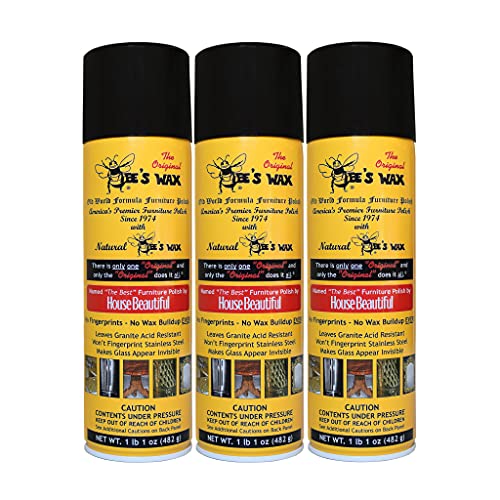
I recommend using a combination of natural oils and wax to bring back vitality to your dry timber pieces. Start with a light application of mineral oil or jojoba oil using a soft cloth. This approach penetrates the surface and replenishes the moisture content, preventing further cracking or deterioration.
After allowing the oil to soak in for a few hours, follow up with a beeswax or a carnauba wax finish. This not only adds a protective barrier but also enhances the natural luster of the grain. Make sure to buff the waxed areas gently to achieve a pleasant sheen without residue.
For those extremely parched items, consider using a humidifier in the same room to create a balanced environment. Placing a small bowl of water near the timber can also help slowly introduce moisture without causing damage. Patience is key in the treatment process, as rapid hydration methods might lead to warping.
Rehydrate Furniture
Using a mixture of water and vinegar is an effective solution. Combine equal parts of both in a spray bottle. Lightly mist the surface and allow it to absorb moisture. Follow this with a soft cloth to buff the area, enhancing the luster.
Another method involves applying mineral oil. Soak a clean cloth with the oil and rub it into the dry areas. This not only adds moisture back into the material but also helps in keeping it nourished. Reapply as necessary based on the absorption rate of the piece.
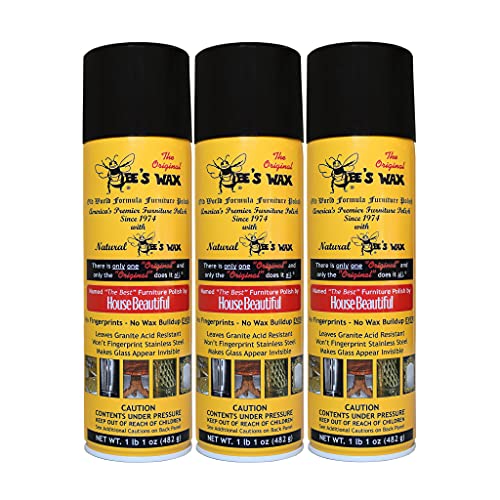


For deeper hydration, consider using a penetrating solvent. This option works well for heavily dried items. Apply a small amount to a cloth and work it into the grain, allowing ample time for absorption. Repeat this process until the desired result is achieved.
Please avoid excessive water, as it can lead to warping or damage. Instead, focus on gradual moisturization techniques to maintain the integrity of the material.
| Method | Materials Needed | Frequency of Application |
|---|---|---|
| Vinegar and Water | Vinegar, Water, Spray Bottle | As needed |
| Mineral Oil | Mineral Oil, Soft Cloth | Monthly |
| Peniарting Solvent | Peniарting Solvent, Cloth | Every few months |
To finish, a good-quality wax can provide a protective layer after hydration. This helps seal in moisture while adding shine. Apply a thin layer and buff it out for the best finish.
Identify Signs of Dryness in Wood Furniture
To check if your antique or contemporary piece needs moisture, observe the following indicators:
- Cracks: Look for visible splits in the surface. These can appear in the grain or edges, signaling significant moisture loss.
- Warping: If the structure of the piece appears bent or uneven, it likely indicates that the material has dried out excessively.
- Surface Powdering: A fine dust accumulating on the surface is a sign of deterioration and desiccation.
- Snapping Sounds: Listen for cracks or snaps when using the item. This noise can suggest that the texture is too brittle.
- Discoloration: Fading or unusual spots may indicate uneven moisture distribution, which can lead to more severe damage.
Monitoring these signs regularly can help maintain the integrity and beauty of my cherished items. Addressing dryness promptly ensures longevity and preserves their appearance.
Gather Necessary Tools and Supplies
I recommend collecting these items before beginning your restoration process:
Basic Tools
Settle on a soft cloth or sponge, which will be useful for applying solutions without scratching surfaces. A small brush can help reach intricate details. An applicator pad offers an even application, especially for larger pieces.
Hydration Solutions
Use a mixture of mineral oil and vinegar, as this does wonders for revitalizing surfaces. You might also explore specialized products designed for conditioning and preserving timber. Ensure you have a spray bottle for easy distribution of liquids.
Don’t forget to have a clean bucket or container for mixing solutions. Safety gloves can protect your hands while you work with various substances.
Finally, a lint-free cloth is invaluable for buffing the surface and eliminating any residue after treatment is completed.
Gathering these tools will streamline the process and enhance the results you achieve with your cherished pieces.
Choose the Right Method for Rehydration
I recommend selecting the appropriate technique based on the degree of moisture loss and the type of material involved. For minor dryness, applying a furniture conditioner or wax can be effective. These products penetrate the surface while offering a protective layer, enhancing the natural shine.
In cases of moderate to severe moisture deficiency, consider using a humidifier placed near the item for gradual absorption. This method is gentle and minimizes the risk of damage. Alternatively, oils like linseed or tung oil can deeply nourish the surface; however, this may change the finish, so test on a hidden area first.
If your piece is particularly dry and fragile, a restorative moisturizing formula designed for antique or vintage items can provide targeted hydration without harming the integrity. Always follow the manufacturer’s instructions to ensure compatibility with the existing finish.
Assess the condition prior to proceeding. A complete re-finish may be necessary for items showing significant signs of deterioration. In such situations, prepare for an extensive process that involves stripping away old layers before applying new protective coatings.
Selecting the right approach greatly influences the outcome. Each method offers unique benefits and timelines, allowing for tailored care suited to specific needs. Remember to regularly maintain any treated surfaces to prolong their vitality.
Prepare the Wood Surface for Treatment
To ensure effective restoration, I clean the surface thoroughly before applying any treatment. Dust, dirt, and old polish residues hinder absorption. I follow these steps:
- Use a soft-bristle brush or a microfiber cloth to gently remove loose debris.
- Mix a mild solution of warm water and a few drops of dish soap. Dampen a cloth with this mixture and wipe down the surface, avoiding soaking the material.
- After cleaning, I rinse the cloth with plain water and go over the area again to eliminate soap residue.
- For stubborn stains, I may use a specialized wood cleaner. It’s crucial to follow the product instructions carefully.
Allow the surface to dry completely. This process can take several hours depending on the environment.
Next, I inspect for any rough areas or imperfections. If any are found, I lightly sand them with fine-grit sandpaper to create a smooth texture. Always sand in the direction of the grain to avoid scratches.
After sanding, I wipe the area with a clean, dry cloth to remove any dust produced during the process. This step ensures that the treatment will adhere properly.
Finally, I check for any loose joints or damaged hardware. Tightening screws and fixing any issues now prevents further complications later.
Apply Oil or Conditioner for Moisture Restoration
I recommend selecting a high-quality oil or conditioner specifically designed for natural materials. These products penetrate deeply, replenishing lost hydration. For optimal results, consider options like tung oil, linseed oil, or specialized mineral oil, which are effective in nurturing the surface and restoring a healthy finish.
Steps to Apply Oil or Conditioner
Follow these steps for the best outcome:
| Step | Action |
|---|---|
| 1 | Use a clean, soft cloth to apply the oil or conditioner evenly. |
| 2 | Work the product along the grain, ensuring complete coverage. |
| 3 | Allow the treatment to absorb for the recommended time, usually around 15-30 minutes. |
| 4 | Wipe off any excess product with a dry cloth to prevent a greasy residue. |
Frequency of Application
I suggest repeating this process every six months, or more often if signs of dryness reappear. Regular conditioning can significantly prolong the lifespan and appearance of your pieces.
Monitor the Furniture During the Rehydration Process
Regularly check the surface to ensure it absorbs moisture evenly. Look for any areas that appear darker, which may indicate excess absorption, or lighter spots that suggest insufficient saturation.
Use a soft cloth to gently wipe the surface and gauge if it feels tacky or overly oily, signaling that I may have applied too much product. If this happens, allow it to sit for a while before buffing off the excess.
Observe gradual changes in texture and appearance. A smooth feel and a rich tone indicate progress. If the surface remains dry or flaky after the initial treatment, a second application may be necessary.
Consider environmental factors such as humidity and temperature. Keep monitoring these conditions, as they can impact how effectively the materials draw in moisture.
Be patient; restoration is often not instantaneous. I remain attentive for these signs to ensure optimal results throughout the process.
Prevent Future Dryness Through Proper Care
I recommend maintaining a consistent humidity level in the environment where the items are placed. Ideally, keeping the humidity between 40% and 60% helps prevent excessive drying. Utilize a hygrometer to monitor the conditions accurately.
Regular Cleaning and Maintenance
Use a soft, damp cloth for cleaning. Avoid harsh chemicals that can strip oils and moisture. Instead, consider a mild soap solution or specialized products designed for maintenance.
- Dust frequently to avoid buildup that can contribute to surface damage.
- Wax or polish periodically to add a protective layer and enhance luster.
- Rotate items if possible to ensure even exposure to light and air.
Strategic Placement
Avoid placing items near heat sources such as radiators, fireplaces, and direct sunlight. These factors can accelerate moisture loss. Instead, choose spots that allow for airflow and even temperature distribution.
I find it beneficial to invest in a humidifier, especially during dry seasons. This small addition can significantly improve the overall atmosphere and extend the life of your beloved pieces.
Know When to Seek Professional Help
If you notice severe fissures, splitting, or warping that cannot be mitigated through simple treatments, it’s time to consider enlisting an expert. A specialist can assess underlying issues, such as structural damage or pest infestations, that may require advanced techniques or repairs.
Signs Indicating Expert Intervention
Signs like significant color changes, persistent dryness, or unresponsive textures after multiple DIY attempts signal the need for professional evaluation. If the piece holds sentimental or monetary value, a trained conservator or restorer can provide tailored solutions to preserve its integrity.
Benefits of Professional Services
Professionals often utilize specialized tools and products that aren’t available to the general public, ensuring a thorough and safe treatment process. Their experience can prevent further deterioration, saving both time and investment in the long run.


