
 Caleb Turner
Begin with a thorough assessment of each item’s condition. Inspect for structural integrity and check for signs of wear and tear. It’s crucial to determine what repairs are necessary before proceeding with aesthetics. For example, if a chair has wobbly legs, reinforce them with wood glue or screws.
Next, choose the right paint or stain to enhance the appearance. Consider using chalk paint for a matte finish that provides a rustic look or opt for a polyurethane sealant for durability. Test the chosen product on a small area before applying it to the entire surface. This process helps avoid unpleasant surprises and ensures the desired result.


When it comes to upholstery, pick fabrics suited to the environment where the item will reside. For high-traffic areas, consider durable materials that can withstand wear. If undertaking this step, invest in a staple gun and learn basic techniques for stretching and securing the fabric tightly over the foam or batting.
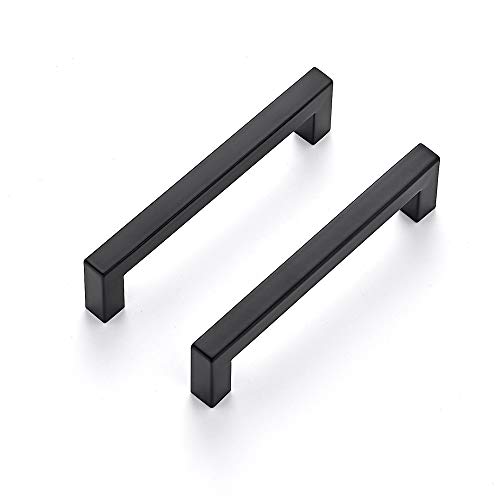
Finally, incorporate personal touches through accessories such as knobs, handles, or decorative stencils. These small details can significantly influence the overall look and feel of your piece, making it uniquely yours.
Restoring Vintage Pieces
Focus on repairing any structural issues before applying finishes. Inspect joints and reinforce them with wood glue or brackets. For small scrapes and scratches, wood filler can be an excellent solution. Once the repairs are complete, sand the surface with fine-grit paper to create a smooth base for painting or staining.
Consider using a high-quality primer to ensure even coverage, especially if you’re using a light color over a dark base. Instead of traditional paint, chalk paint can offer a matte finish and is easy to distress, allowing for a rustic appeal.
For a more polished look, applying a sealant will protect the surface and enhance the colors, giving longevity to the finish. You can opt for water-based sealants for quick drying time or oil-based for a durable finish.
Soft furnishings often need a revival too. Upholster worn-out chairs with fresh fabric or slipcovers. Bold patterns or textured fabrics can dramatically alter the aesthetics. Remember to properly clean or re-stuff cushions for additional comfort.
Finally, don’t underestimate the power of hardware. Replacing old handles and knobs can refresh an object, modernizing its look without extensive work. Choose options that complement the restored piece’s style, ensuring cohesiveness in your design. This small detail can give the entire object a new personality.
Choosing the Right Pieces for Renewal
Select sturdy items that can withstand modifications. Prioritize pieces made from solid wood or high-quality materials as they offer better longevity. Avoid items that show extensive damage or irreparable flaws.
Consider the following aspects when selecting items:
- Style Compatibility: Assess how well the piece fits into your existing decor. Look for items that harmonize with your aesthetic vision.
- Functionality: Ensure the selected piece meets your practical needs. A dining table should be ample enough for gatherings, while a chair must be comfortable for regular use.
- Size: Measure your space accurately. An oversized item can overwhelm a room, while a too-small piece may feel inadequate.
Look for unique characteristics that can be enhanced. Elements like carvings, original hardware, or unusual shapes can become focal points after the process. Document the condition before starting any work to help plan necessary repairs.
Source your items from diverse locations. Thrift shops, estate sales, and online marketplaces can yield treasure troves of potential candidates, often at reasonable prices.
Lastly, always confirm that the piece has a story or history, enhancing its character. Items with a rich background can become conversation starters and add personal significance to your space.
Gathering Necessary Tools and Materials
Having the right tools is essential for a successful project. I recommend starting with a basic toolkit that includes a screwdriver set, a hammer, and a measuring tape. These tools will help in disassembling and assembling various pieces.
Surface Preparation Supplies
For preparing the surfaces, sandpaper of different grits is crucial–begin with coarse and finish with fine. A quality wood filler is also necessary for repairing any dents or scratches. Always have a putty knife on hand for application.
Finishing Products
Choose your finishing products wisely. Whether it’s paint, stain, or varnish, ensure they are suitable for the material you are working with. Brushes and rollers are important for applying these finishes, along with a drop cloth to protect your workspace.
Cleaning and Preparing the Surface
I always begin with a thorough cleaning to ensure the surface is free from dust, grease, and any old coatings. A mixture of warm water and mild dish soap works well for this purpose. I use a soft cloth or sponge to wipe the entire area, paying close attention to corners and crevices where dirt can accumulate.
For stubborn stains, I apply a mixture of white vinegar and water, which helps break down grime without damaging the material. After cleaning, I rinse with a damp cloth to remove any soap residue and dry the surface with a clean towel.
If I find any old paint or varnish, I use a chemical stripper or sandpaper to remove it. I ensure to work in a well-ventilated area and wear gloves. I start with a coarse grit sandpaper to tackle the tougher spots, then switch to a finer grit for a smoother finish. This not only readies the surface for a new coating but also enhances the longevity of my work.
I then check for any damage such as scratches or dents. A wood filler can be used to repair these imperfections. I apply it with a putty knife, smooth it out, and allow it to dry completely before sanding it flush with the surface.
Lastly, I give the entire surface a final wipe-down with a tack cloth. This helps capture any remaining dust particles, ensuring an optimal surface for painting or staining.
Repairing Damages and Imperfections
First, assess the extent of the damage. Small scratches can typically be addressed using a matching wood stain or marker. For deeper gouges, I fill them with wood filler, ensuring I overfill slightly to allow for sanding once it dries.
Next, I address dents by applying a damp cloth over the area and using a steam iron briefly. The steam causes the wood fibers to swell, often smoothing out the dent. Be cautious with heat settings to avoid additional damage.
If the surface has significant peeling or chipping paint, I carefully scrape away any loose material using a putty knife. Once the area is smooth, I apply a primer specifically designed for the type of material.
For stubborn stains, I mix baking soda with water to form a paste, which helps lift discoloration without harsh chemicals. I apply the paste, let it sit, and then gently scrub with a soft cloth.
| Damage Type | Repair Method |
|---|---|
| Scratches | Wood stain or marker |
| Gouges | Wood filler and sanding |
| Dents | Steam method with a damp cloth |
| Peeling Paint | Scrape loose paint and apply primer |
| Stains | Baking soda paste |
After repairs, I always sand the repaired areas lightly to blend them with the surrounding surface. Finally, I follow up with a coat of the chosen finish to seal the work and enhance the appearance.
Selecting Paint or Stain for Your Project
Choose your color wisely based on the intended atmosphere. Want something cozy? Warm earth tones like terracotta or olive green work well. For a fresh, modern feel, consider cool shades like slate gray or soft blues.
Type of Finish
Decide between paint or stain. Paint provides a solid color and can add a pop to any piece. Opt for latex for ease of use and cleanup. Stain allows the natural wood grain to show through, emphasizing the beauty of the material. Choose an oil-based stain for deeper penetration and durability.
Durability and Maintenance
For high-traffic items, select a high-quality, durable finish. Look for paint with enamel properties for added toughness. If using stain, seal it with a clear topcoat to protect against wear. Regular maintenance will keep your pieces looking their best, so factor that into your selection.
Test a small sample on an inconspicuous area to see how it reacts with the surface and lighting. This step ensures the final appearance meets your expectations.
Lastly, consider environmental factors. If working indoors, use water-based products for lower VOCs and fewer odors. This choice promotes a healthier workspace.
Applying Finishes: Techniques and Tips
For a high-quality result, I always begin with a clean, dry surface. Make sure the area is free from dust and debris before applying any finish.
Choosing the Right Finish: I prefer to select based on the desired look and functionality. For a natural wood appearance, I opt for oil-based finishes or clear coats that highlight the grain. For painted projects, I gravitate towards a water-based polyurethane for durability without yellowing.
Application Techniques: Using a brush or a roller can yield different results. I typically use a brush for corners and intricate details, as it allows for precise application. For flat surfaces, a roller can cover more area quickly. Always apply the finish in thin, even coats to avoid drips.
Working with Stains: After preparing the wood, I apply a stain using a clean cloth or a foam applicator. I let it sit for a few minutes and then wipe off the excess to achieve the desired color depth. Always test on a scrap piece if unsure.
Drying Time: I make it a point to follow manufacturer recommendations for drying times between coats. Patience is key; applying additional coats too soon can lift the previous layer.
Finishing Touches: After reaching the desired finish, I lightly sand between coats using fine-grit sandpaper. This ensures a smooth surface and better adhesion for subsequent layers. Ending with a final coat gives a polished look.
Cleaning Tools: After finishing, I clean my brushes and rollers immediately. For water-based products, warm soapy water suffices, while oil-based finishes require mineral spirits or paint thinner for proper cleaning.
Protective Measures: I always ensure good ventilation and wear gloves and a mask when applying finishes, particularly with solvent-based products. Safety is paramount.
Applying a finish is often what brings the piece to life. Taking time with each step guarantees not just beauty but also longevity.
Styling and Accessorizing Refurbished Furniture
Choose a cohesive color palette for your revitalized items. Select two to three complementary shades that align with your overall decor theme. This choice creates harmony in your space.
- For a modern look, consider neutral tones accented by bold colors.
- Rustic styles benefit from earthy hues and natural finishes.
Add textile elements to enhance comfort and visual appeal. Incorporate pillows, throws, and rugs that resonate with your chosen colors. Textures can also contribute depth and interest.
Incorporate decorative accents such as vases, books, or art pieces. Place these items on surfaces like shelves or tabletops to create focal points. Layering different heights and textures keeps the arrangement dynamic.
- Select accents that echo your color scheme.
- Choose items with varying shapes and materials to create balance.
Lighting plays a key role in showcasing your pieces. Consider using lamps or string lights to create ambiance. Spotlights can emphasize features and draw attention to unique details.
Finally, don’t forget greenery. Plants add life and freshness. Opt for stylish pots that match your decor, incorporating height variations for an intricate look.


