
 Caleb Turner

Begin with a thorough cleaning using a mixture of mild soap and warm water to eliminate dirt and mildew. A soft-bristle brush helps reach crevices without causing damage. Rinse off the soapy residue thoroughly and allow the pieces to dry completely under the sun.
Once dry, inspect the surface for any wear or damage. For minor scratches, a fine-grit sandpaper can smooth out imperfections. If the finish is dull, consider applying a suitable stain or sealant, ensuring it’s compatible with the material. This layer not only enhances appearance but also protects against moisture and UV rays.
Take time to choose colors that complement your existing décor. Test on an inconspicuous area first. Allow adequate drying time after application, as suggested by product instructions. A second coat may be necessary for optimal coverage and durability.
Revitalize Garden Seating and Tables
Begin with a thorough cleaning. I prefer using a mixture of warm water and mild soap, scrubbing the surfaces with a non-abrasive sponge to remove dirt and grime. After that, a rinse with fresh water ensures no soap residue remains.
Conditioning the Material
Applying a quality wood conditioner is crucial. I choose a product specifically designed for outdoor applications. Following the manufacturer’s instructions, I cover the entire surface evenly, allowing it to soak in for the recommended time. This step protects against moisture and UV damage.


Finishing Touches
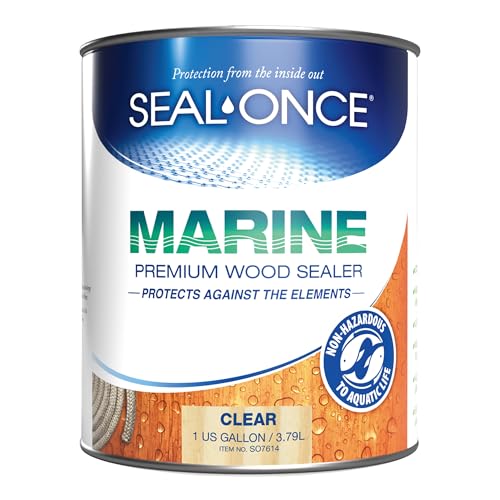
A weather-resistant sealant provides extra defense. I opt for a polyurethane or acrylic finish suitable for exterior surfaces. Using a brush, I apply a thin coat, allowing ample drying time between layers. This not only enhances aesthetics but significantly prolongs the lifespan of my pieces.
Assessing the Condition of Your Furniture
I begin by thoroughly inspecting each piece for signs of wear and damage. Look for any scratches, dents, or cracks in the surface. Pay close attention to joints and connections, as these areas often weaken over time.
Next, I test the stability. Wobbling or creaking indicates loose or broken parts that need immediate attention. A gentle shake can help identify these issues, ensuring safety during use.
Check the finish for fading or peeling. Sun exposure often causes discoloration, while moisture can lead to stains or blisters. If the natural grain seems dull, it may benefit from a reviving treatment.
I also examine any existing protective coatings. If the surface feels sticky or tacky, it’s a sign that the finish may have degraded and requires stripping and refinishing.
Lastly, assess the overall cleanliness. Accumulated dirt or grime can harbor moisture and promote decay. Using a mild soap and water solution, I clean surfaces to get a clearer picture of their condition.
Choosing the Right Cleaning Products
I recommend starting with biodegradable and non-toxic cleaners, as these are safe for both the environment and your items. Look for products specifically formulated for natural surfaces to avoid causing damage.
Types of Cleaners
- Soap and Water: A simple mixture of mild dish soap and warm water can effectively lift dirt and grime without harsh chemicals.
- Vinegar Solution: A mix of equal parts vinegar and water acts as a natural disinfectant and can tackle mold or mildew.
- Commercial Cleaners: If opting for store-bought, select those with a clear label stating suitability for the material category you are treating.
Application Tips
- Test any product in a discreet area to ensure compatibility.
- Use a soft brush or cloth for application to prevent scratching.
- Always rinse thoroughly after cleaning to remove any residue that might attract dirt.
By carefully selecting cleaning products, I ensure that the care regimen for my seating and tables maintains their beauty while prolonging their lifespan.
Step-by-Step Cleaning Process for Wooden Items
Begin by removing any loose debris using a soft brush or cloth. This allows for a more thorough cleaning without scratching the surface. Next, prepare a cleaning solution: mix mild soap with warm water in a bucket. Dip a sponge into the mixture, wring it out, and gently cleanse the surface, ensuring to follow the grain to minimize damage.
Rinsing and Drying
After scrubbing, rinse the sponge in clean water and wipe down the item to eliminate soap residue. Use a clean, dry cloth to absorb excess moisture, helping to prevent mold and mildew growth.
Addressing Stains and Grime
For stubborn stains, create a paste using baking soda and water. Apply it directly to the affected areas and let it sit for 15-20 minutes before scrubbing gently with a soft brush. Finally, rinse thoroughly and dry.
Identifying and Repairing Wood Damage
Examine for surface cracks and splits. If present, these issues can often be resolved with wood filler or epoxy. Choose a filler that matches the color and texture of your structure for a seamless repair. Once applied, sand the area smooth once dry.
Signs of Damage
Look for discoloration, rot, or insect infestation. Early detection can prevent larger issues. For dark spots, it may indicate mold or mildew. Apply a mixture of vinegar and water to treat these areas, ensuring you dry the surface completely afterward.
Repair Techniques
| Damage Type | Repair Method |
|---|---|
| Cracks | Fill with wood epoxy and sand smooth |
| Rot | Cut out affected areas and replace with new material |
| Insect Damage | Treat with insecticide specific for wood-boring pests |
| Discoloration | Use wood bleach or a specialized wood cleaner |
For severe rot, replacing the affected sections may be necessary. Ensure proper sealing of joints and exposed areas to prevent future issues. Regular maintenance will prolong the lifespan of your items, keeping them in good shape for years to come.
Choosing the Best Finish for Protection
For maximum durability, I recommend selecting a finish based on your specific needs and climate conditions. Here are some options to consider:
- Oil-Based Finishes: Provide a natural look while offering good moisture resistance. Teak oil and linseed oil are popular choices. Reapply every 6-12 months for optimal results.
- Varnish: Forms a hard protective layer, ideal for high-traffic areas. It’s UV resistant, making it suitable for bright environments. Apply thin coats and allow adequate drying time between applications.
- Marine Polyurethane: Best for extreme conditions. This waterproof coating withstands UV rays and salt, ideal near the ocean. Requires thorough surface preparation and meticulous application.
- Wood Stains: Enhance the natural grain while adding a layer of protection. Choose a stain with a built-in sealant for added convenience. Refresh the finish every couple of years.
Factors to Consider
- Climate: In humid areas, opt for waterproof finishes. For sunny regions, UV protection is crucial.
- Use: High-traffic items need more robust protection than ornamental pieces.
- Application Ease: Some finishes require more skill than others, consider your comfort level and experience.
Selecting the right finish not only protects but also maintains the beauty and integrity of your exterior pieces, extending their longevity effectively.
Applying Stain or Paint Evenly
I ensure a consistent application of stain or paint by following a few key techniques. First, I start with a quality applicator. A high-density foam roller or a synthetic bristle brush allows for smooth, even coverage. For intricate details, a small brush helps me reach tight spots without leaving uneven patches.
Next, I maintain a manageable amount of product on the applicator. I dip the brush or roller just enough to coat the surface without drenching it. Excess stain or paint leads to drips or uneven texture, so I always remove any surplus before starting the application.
While I apply the product, I move in long, even strokes, following the grain of the material. This technique not only enhances absorption but also helps in blending the color seamlessly. I work in sections–usually about two feet at a time–so that I can focus on keeping the application uniform without letting it dry out.
To avoid lap marks, I make sure to overlap previous strokes slightly. Additionally, I stay aware of the drying time specified on the product label. Sometimes, I find that misting the surface lightly with water before application aids in even distribution, particularly for stains.
After the first coat dries, I check for missed spots or uneven areas and touch them up as needed. Depending on the desired look and the product used, I usually apply a second coat following the same guidelines to achieve a fully protected and visually appealing finish.
| Application Technique | Purpose |
|---|---|
| Long, even strokes | Ensures smooth coverage and enhances grain visibility |
| Overlapping strokes | Prevents lap marks and promotes uniform color |
| Manageable product load | Avoids drips and clumps |
| Sectional application | Keeps focus and facilitates an even finish |
| Drying time adherence | Ensures proper adhesion and reduces imperfections |
Sealing and Protecting Your Outdoor Furniture from Elements
To safeguard your outdoor items, select a high-quality sealant specifically designed for exterior use. I prefer water-based products as they dry quickly and provide a high level of protection against moisture and UV rays.
Before applying any sealant, ensure the surface is clean and dry. After the cleaning process, allow ample time for the material to completely dry. This could take several hours, depending on the humidity and temperature.
For application, use a brush or roller to ensure an even coat. Start from one end and work your way through without skipping any areas. Focus on joints and edges, as these are often more vulnerable to weather conditions.
After the first coat, allow it to dry fully before applying a second layer for enhanced protection. Typically, two coats are recommended for optimal results. Regular maintenance, such as reapplying the sealant every season or as wear shows, helps maintain the integrity of your belongings.
Finally, consider using covers during harsh weather conditions. This provides an additional layer of defense against rain, snow, and dirt, prolonging the lifespan of your outdoor pieces.
Maintaining Your Refreshed Piece Over Time
Regular inspections are necessary to detect signs of wear early. I check for fading, cracks, or mold at least twice a year.
Keep the surface clean by wiping it down with a damp cloth weekly. I’ll use a mixture of mild soap and water for more stubborn dirt.
For longevity, I reapply protective layers based on the finish type:
- If using oil-based coatings, every six months is typically sufficient.
- Water-based finishes often need refreshing annually.
Keeping the surroundings tidy also helps–remove debris like leaves or dirt that can trap moisture against the surface.
During extreme weather patterns, I cover my items or relocate them if possible. Shade or cover can significantly extend their lifespan.
For unexpected damage, prompt repair is key. I ensure any scratches or minor dings are addressed immediately, using matching touch-up paints or stains.
Reassessing my selections based on the conditions is wise. If factors like humidity or sunlight exposure change, I adapt my maintenance routine accordingly.
When to Seek Professional Help
If you notice extensive damage such as deep cracks, severe rot, or separation of joints, calling a specialist is necessary. Attempting to address these issues without experience can lead to further deterioration.
Complex Repairs
In cases where structural integrity appears compromised, such as bent frames or loose joints, it’s wise to consult an expert. They possess the tools and knowledge to perform repairs that can extend the lifespan of your items.
Special Finishing Techniques
If you desire a specific type of protective coating or finish that requires specialized application methods, reaching out to a professional ensures that you achieve the desired look and durability. Achieving a flawless surface can be challenging without the right equipment.
FAQ:
What are the signs that my outdoor wood furniture needs refreshing?
There are several indicators that your outdoor wood furniture may need refreshing. Look for signs of fading color, which can be a result of sun exposure. If you notice rough patches or splintering, it’s a sign that the wood is drying out and may require refinishing. Additionally, if the furniture feels sticky or has a dull finish, these can be symptoms of build-up from dirt or previous treatments that need to be cleaned off.
What materials do I need to refresh my outdoor wood furniture?
To refresh outdoor wood furniture, you will need a few basic materials. Start with a soft brush or sponge for cleaning, a wood cleaner or soapy water for removing dirt, sandpaper to smooth out rough surfaces, and wood sealer or stain to protect and enhance the wood’s appearance. Additionally, having rags and a paintbrush for application will be helpful.
Can I refresh my outdoor wood furniture without sanding it?
Yes, it is possible to refresh your outdoor wood furniture without extensive sanding, especially if the surface is still relatively smooth. You can use a wood cleaner and a sponge to clean the furniture thoroughly. If there are minor imperfections, you may only need to lightly sand those areas. After cleaning, you can apply a wood sealer or stain to rejuvenate the finish without heavy sanding.
How often should I refresh my outdoor wood furniture?
The frequency of refreshing your outdoor wood furniture depends on the climate and exposure to elements. Generally, it is recommended to refresh it every 1 to 3 years. If you live in an area with harsh weather conditions, you may need to do this more often. Regular maintenance, such as cleaning and applying a protective sealant, can prolong the life of your furniture.
Is there a specific season that’s best for refreshing outdoor wood furniture?
While you can refresh outdoor wood furniture year-round, early spring or early fall are considered the best times for this task. During these seasons, temperatures are usually mild, allowing the wood sealer and stain to dry properly. It’s also advisable to choose a dry day without high humidity to ensure a better finish and quicker drying time.
What are some simple steps to refresh my outdoor wood furniture?
To refresh outdoor wood furniture, you can follow several straightforward steps. First, clean the furniture thoroughly using a mixture of gentle soap and water to remove dirt and grime. Rinse it well and let it dry completely. Once dry, inspect the wood for any signs of damage, such as cracks or peeling paint. Sand down rough areas with fine-grit sandpaper to create a smooth surface. After sanding, apply a wood conditioner if needed, which helps prepare the wood for finishing. Finally, choose a suitable outdoor wood finish, such as a sealant or stain, and apply it evenly. Make sure to follow the manufacturer’s instructions regarding drying times and application methods to ensure the best results.


