
 Caleb Turner
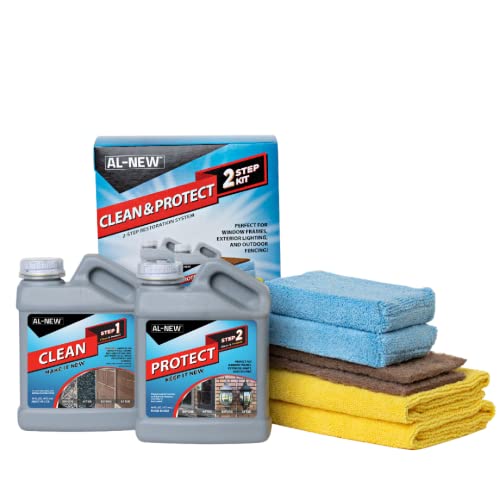
To transform a set of neglected garden tables and chairs, my first step is always cleaning. I mix warm water with mild dish soap and use a sponge or scrub brush to remove grime and dirt. This not only enhances the appearance but also prepares the surfaces for further treatment. Rinsing with clean water is crucial to avoid soap residue that can attract dirt.
Next, I inspect each piece for any signs of rust or damage. For rust spots, I use sandpaper or a wire brush to remove the affected areas, ensuring a smooth surface. I then apply a rust-inhibiting primer, which acts as a protective barrier, preventing future corrosion.
Once the primer is dry, I choose a high-quality outdoor paint specifically designed for metal items. A spray paint can give a smooth finish, while a brush may be better for detailed areas. Applying several thin coats rather than one thick layer ensures durability and a flawless look.


Finally, I always finish with a clear sealant to protect against moisture and UV rays. This step prolongs the life of my restored items and keeps them looking fabulous for years to come.
Revitalize Your Outdoor Decor
Begin with a thorough cleansing using warm soapy water and a scrub brush to eliminate dirt and debris from surfaces. After cleansing, rinse well and allow it to dry completely.
Next, assess for any signs of rust or scratches. For rust spots, use sandpaper or a wire brush to remove loose materials and smooth the area. Afterward, apply a rust-inhibiting primer to protect against future oxidation. Follow this with a coat of durable outdoor paint or spray designed for metal surfaces to enhance the visual appeal.
Reinstate Comfort and Style
Replace any worn-out cushions with weather-resistant fabric options for improved comfort. Choose colors and patterns that complement your garden or patio theme. Adding vibrant throw pillows can also uplift the aesthetic, making the space more inviting.
Regular Maintenance Tips
Incorporate regular maintenance into your routine to extend the life of your items. Use a soft cloth or sponge to wipe down surfaces periodically to prevent buildup. A sealant can provide additional protection against the elements, ensuring your pieces remain in great condition.
Assessing Condition and Cleaning
First, I inspect each piece thoroughly for signs of wear, rust, or damage. I check for any loose screws or joints, which may need tightening or replacement. I pay attention to the surface, looking for scratches, chips, or corrosion that require addressing.
Next, I detach any cushions or fabric components before cleaning the frames. This prevents them from getting wet or soiled during the process. I gather the following materials for cleaning:
- Mild soap
- Soft-bristled brush
- Bucket of warm water
- Microfiber cloth
- Protective gloves
I create a soapy solution by mixing mild soap with warm water. Using a soft-bristled brush, I scrub the surfaces gently to remove dirt, grime, and any contaminants. After scrubbing, I rinse with clean water to avoid soap residue.
For stubborn stains or rust spots, I apply a mixture of baking soda and water to create a paste. I let it sit for a short while before scrubbing gently with the brush. Rinsing thoroughly with water is crucial to ensure no abrasive materials remain.
I use a microfiber cloth to dry the surfaces, preventing water spots and additional corrosion. Following the cleaning process, I allow the furniture to air dry completely in a shaded area before applying any protective coatings or repainting, if necessary.
Choosing the Right Paint for Metal
For optimal adhesion and durability, I recommend using epoxy-based paint designed specifically for surfaces exposed to the elements. This type of coating offers excellent corrosion resistance and a sturdy finish, making it ideal for long-lasting application.
Types of Paint
Two main categories should be considered: spray paint and brush-on paint. Spray paint is convenient for achieving a smooth finish without brush strokes; however, it may require more skill to apply evenly. Brush-on paint provides more control and is preferable for intricate designs or detailed areas.
Color and Finish
Select colors that complement your environment while considering heat absorption. Lighter shades reflect sunlight and keep surfaces cooler, while darker colors may absorb heat, leading to undesirable seating temperatures. Finish-wise, a satin or semi-gloss sheen offers durability and easier cleaning, while matte finishes may obscure imperfections but require more maintenance.
Preparing the Surface for Painting
Begin with a thorough inspection of the item to identify any imperfections, such as rust spots, scratches, or flaking. I use sandpaper or a wire brush to remove loose paint and rust, ensuring a smooth base for new application. It’s crucial to eliminate all contaminants for optimal bonding with the new coat.
Cleaning the Surface
After sanding, I clean the surface with a mixture of mild detergent and water to remove dust and debris. A sponge or cloth works well for this. Rinse thoroughly and allow it to dry completely. This step is critical, as moisture can interfere with adhesion.
Priming
Applying a primer suited for the material helps to prevent corrosion and enhances paint durability. I choose a rust-inhibiting primer, ensuring even coverage across the surface. Allow the primer to dry as per the manufacturer’s instructions before proceeding with the paint application.
Repairing Scratches and Rust Spots
Address scratches and rust spots immediately to extend the life of your items. For minor scratches, use fine-grit sandpaper to gently buff the area until it feels smooth. Clean the surface with a cloth and some soapy water, then let it dry completely.
Dealing with Rust
For rust, start by using a wire brush or sandpaper to remove loose rust. After treating the area, apply a rust-inhibiting primer to prevent further corrosion. Allow the primer to cure as per the instructions before applying your chosen finish.
Touch-Up Painting
After prepping the area, select a paint matching the original color. Use a small brush for precision, applying thin coats to avoid drips. Allow adequate drying time between coats, checking for complete coverage. This process will restore the look and protect the finish from future damage.
Techniques for Applying Paint Evenly
I recommend using a high-quality spray paint for a smooth finish. Hold the can approximately 12 inches away from the surface, applying multiple thin coats rather than one thick layer. This helps prevent runs and drips.
For brush application, choose a synthetic bristle brush designed for use with enamel paints. Dip the brush only one-third into the paint to avoid excess on the bristles. Apply paint using long, even strokes in the same direction as the metal’s grain.
A foam roller is another excellent choice for larger areas, providing an even distribution. Make sure to roll in different directions before the paint has a chance to dry to ensure complete coverage.
Utilize a painting grid or tray to catch excess paint and dip your brush or roller evenly. Before painting, mist the surface lightly with water to help the paint adhere better, especially in warmer temperatures.
Finally, after sanding and priming, allow the primer to dry completely before applying the top coat. Ensuring each layer is adequately dry prevents imperfections and promotes an even finish.
Sealing and Protecting the Finish
Apply a clear sealant designed for treated surfaces to enhance durability and guard against the elements. This coating provides a barrier that prevents moisture penetration and oxidation.
Ensure the surface is completely dry after painting. Follow the manufacturer’s instructions regarding curing times before applying the sealant. Use a clean brush or spray to evenly coat, avoiding thick layers that can lead to drips.
Consider reapplying the sealant annually or bi-annually to maintain protection. Environmental factors such as sun exposure and local climate can affect the longevity of the sealant.
| Sealant Type | Application Method | Frequency of Reapplication |
|---|---|---|
| Acrylic Sealant | Brush or Spray | Every 1-2 years |
| Polyurethane Sealant | Brush | Every 2-3 years |
| Epoxy Sealant | Roller or Spray | Every 3-5 years |
Inspect the finish regularly for signs of wear or discoloration, and address any issues promptly. Keeping the sealant intact prolongs the vibrancy and extends the life of the decoration.
Incorporating New Cushions and Fabrics
Choose outdoor fabrics specifically designed for durability and weather resistance. Look for materials like solution-dyed acrylic or polyester, which resist fading and moisture. This ensures your cushions maintain their appearance through various elements.
Selecting Colors and Patterns
- Opt for shades that complement the surrounding environment. Earthy tones provide a natural look, while bold colors can add a lively accent.
- Consider patterns carefully; stripes or geometrics can bring a modern touch, whereas florals may convey a more classic vibe.
Measurement and Cushion Replacement
- Accurately measure existing cushions to maintain a precise fit. This includes thickness, length, and width.
- If reupholstering, opt for high-density foam. It offers better support and durability.
Add ties or Velcro strips to keep cushions secure on chairs or benches, preventing sliding during use. Prioritize comfort in seat and back cushions to enhance relaxation.
Regularly treat fabrics with protective sprays to bolster resistance against stains and mildew. This small step can greatly extend the lifespan of your new accessories.
Seasonal Maintenance Tips
I recommend conducting a detailed inspection of your items at least twice a year, ideally in the spring and fall. Look for signs of wear, peeling, or any accumulated debris that may need attention. Scheduling time for upkeep can prevent minor issues from turning into significant repairs.
Use a mixture of mild soap and water for thorough cleaning. A soft cloth or sponge is best. Avoid abrasive materials that could scratch the surface. Rinse well to remove any soap residue, as this can lead to staining or corrosion.
After cleaning, let everything dry completely before checking for imperfections. This ensures better visibility of any scratches or rust that might need repair. It’s crucial to maintain a clean and dry environment; moisture can accelerate deterioration.
Consider applying a protective coating at least once a year, ideally at the beginning of the warmer months. This layer acts as a barrier against the elements. I frequently select products designed for outdoor applications to maximize longevity.
In addition to surface care, inspect any cushions or fabrics that accompany your settings. I launder these according to the manufacturer’s instructions. Regular cleaning can significantly enhance their appearance and lifespan.
| Season | Maintenance Task |
|---|---|
| Spring | Inspect, clean, and apply protective coating |
| Fall | Deep clean, check for damages, and store cushions |
Storing Metal Furniture During Off-Seasons
To preserve my outdoor seating during off-seasons, I choose a dry, well-ventilated area for storage. An indoor garage or shed is ideal. It prevents exposure to moisture and keeps them safe from the elements.
Preparation Steps
- Thoroughly clean the pieces to remove dirt and grime; this helps prevent mold and corrosion.
- Ensure all surfaces are completely dry before storing to minimize rust development.
- Disassemble any sectional or stacking units if possible. It saves space and reduces the risk of damage.
Protection Strategies
- Use protective covers specifically designed for outdoor items. They shield against dust and minor impacts.
- Consider applying a rust-inhibiting spray to vulnerable areas as an additional safeguard.
- Store cushions and fabrics indoors in sealed containers to avoid dampness and pest infestations.
I regularly check the stored items for signs of moisture or pest activity. This ensures they remain in good condition for the next season. Planning for off-season storage effectively prolongs the lifespan of my outdoor pieces.
FAQ:
What are the signs that my metal outdoor furniture needs refreshing?
There are several indicators that your metal outdoor furniture may require refreshing. Look for signs of rust, which can appear as orange or brown spots on the surface. Fading paint or finishes are another clue that it’s time for an update. Additionally, if the furniture feels rough to the touch or has peeling or chipped surfaces, these are clear signs that refreshing is needed. Regular inspections help identify these issues before they worsen.
What materials do I need to refresh my metal outdoor furniture?
To refresh your metal outdoor furniture, you will need a few basic materials. Start with a mild detergent and water for cleaning, as well as a sponge or soft cloth. For rust removal, fine-grit sandpaper or a wire brush can be useful. Depending on your desired finish, you may also need metal primer and outdoor paint suitable for metal surfaces. Don’t forget to have protective gear on hand, such as gloves and a mask, especially when sanding or painting.
Can I repaint my metal outdoor furniture myself, and how do I do it?
Yes, you can definitely repaint your metal outdoor furniture yourself! First, clean the furniture thoroughly with soapy water to remove any dirt and grime. Once dry, sand any rusty spots down to bare metal, then wipe away dust. Apply a coat of metal primer to prevent rust and help the paint adhere better. After the primer dries, apply your choice of outdoor paint using a spray can or brush, making sure to cover all surfaces evenly. Allow proper drying time between coats and finish with a clear sealant for added protection.
How often should I refresh my outdoor metal furniture?
The frequency of refreshing your outdoor metal furniture largely depends on the climate and usage. In general, it’s advisable to inspect your furniture at least once a year for signs of wear and tear. If you live in an area with harsh weather conditions, such as extreme heat, cold, or humidity, you may need to refresh it more frequently, like every 6 to 12 months. Keeping an eye on the furniture’s condition helps prolong its life and maintain its appearance.
Are there any tips to prevent rust on metal outdoor furniture?
Yes, there are several effective tips to help prevent rust on your metal outdoor furniture. Firstly, ensure that your furniture is coated with a high-quality weather-resistant finish. Regular cleaning is also important; remove dirt and moisture that can lead to rust development. If you notice any scratches or chips in the paint, repair them promptly to avoid exposing the metal underneath. Additionally, storing the furniture in a dry place during the off-season can greatly reduce the risk of rust.


