Caleb Turner

Begin with a thorough cleaning of the seating surface using warm, soapy water and a soft brush. This ensures the removal of dirt, grime, and any mildew that may have accumulated over time, setting a solid foundation for subsequent steps.
Once clean, inspect for any scratches or faded areas. A fine-grit sandpaper can be used to gently smooth out imperfections, followed by wiping the surface with a damp cloth to eliminate any dust particles. This preparation is key to achieving a refreshed appearance.
For reviving the color, I recommend using a specially formulated outdoor sealant that provides UV protection. Applying this sealant with a high-quality brush ensures even coverage and helps to prevent future fading. Follow the manufacturer’s instructions for drying times to ensure optimal results.
Lastly, allow sufficient curing time before using the seating again. This allows the protective layer to set properly and will ensure that my outdoor seating remains not only aesthetically pleasing but also durable against the elements.


Refinishing Techniques for Outdoor Synthetic Seating
Begin with thorough cleaning using a mixture of mild soap and warm water to eliminate dirt and grime. A soft bristle brush helps reach crevices without scratching the surface. Rinse well to ensure no soapy residue remains, and allow it to dry completely before proceeding.
Next, evaluate any scratches or faded areas. For deeper damage, use fine-grit sandpaper to gently buff the affected spots until they become smooth. This prepares the surface for the next steps.
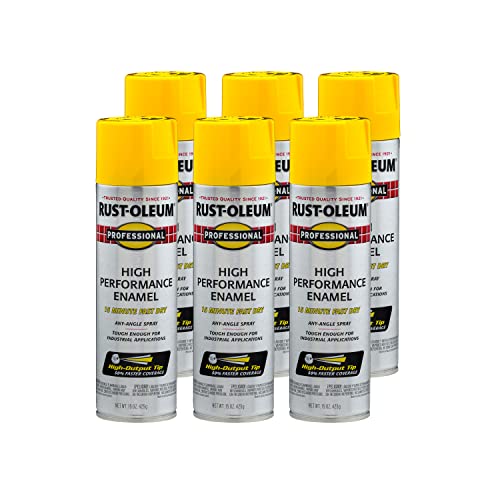
After sanding, I select a suitable outdoor-grade spray paint or gel stain. Select colors that complement the existing décor. Apply the paint in thin, even coats, maintaining a distance of about 12 inches from the surface. Multiple light applications yield better results than one thick layer.
For protection, finish with a clear outdoor lacquer. This enhances durability and shields against UV rays and moisture. Follow the manufacturer’s instructions regarding drying time between coats for optimal adherence.
Finally, allow everything to cure for at least 24 hours before placing any items back on the surface. This ensures the finish hardens and provides long-lasting beauty. Regular maintenance will keep your outdoor décor looking fresh longer.
Choosing the Right Type of Finish for Resin Furniture
I prefer using polyurethane or water-based acrylic finishes for protecting outdoor pieces. Polyurethane offers durability, while water-based options are environmentally friendly and easy to apply. Consider the exposure level to elements; high UV resistance is necessary for sunny areas.
Types of Finishes
For a glossy look, high-gloss polyurethane works well, providing a shiny surface that enhances color and dimension. If a matte or satin finish is desired, opt for satin polyurethane or acrylic finishes. They give a sophisticated appearance while hiding surface imperfections.
Application Tips
Before applying any finish, ensure the surface is clean and smooth. Use fine-grit sandpaper to prepare the surface, followed by a thorough cleaning. Apply thin, even coats and allow ample drying time between applications for optimal results. Regular maintenance prolongs the life of the finish.
Preparing the Surface for Refinishing
Thoroughly clean the outdoor seating with a mixture of warm water and mild detergent. I use a soft-bristle brush to eliminate dirt and grime, ensuring every nook and cranny is addressed.
Next, rinse with a hose to remove any soap residue and let the pieces air dry completely. I find that moisture can interfere with any subsequent coating.
Scraping and Sanding
Once dry, I inspect for any peeling, flaking, or rough areas. A plastic putty knife works well for scraping away damaged spots without risking further harm to the surface. Afterward, I lightly sand the entire area with fine-grit sandpaper. This not only smooths imperfections but also enhances adhesion for the new finish.
Masking and Final Cleaning
Before applying a finish, I make sure to cover any areas that shouldn’t be coated, using painter’s tape. I then wipe the surfaces with a clean, lint-free cloth to get rid of any dust generated from sanding. This step is crucial for achieving a polished look in the final application.
Selecting Appropriate Tools and Materials
I recommend gathering a few key items before starting the project. A high-quality orbital sander is essential for smooth surfaces, ensuring even coverage.
For hand sanding, use 220-grit sandpaper to refine the surface and prepare it for treatment. Don’t forget to include sanding blocks for edges and corners where a machine might be too bulky.
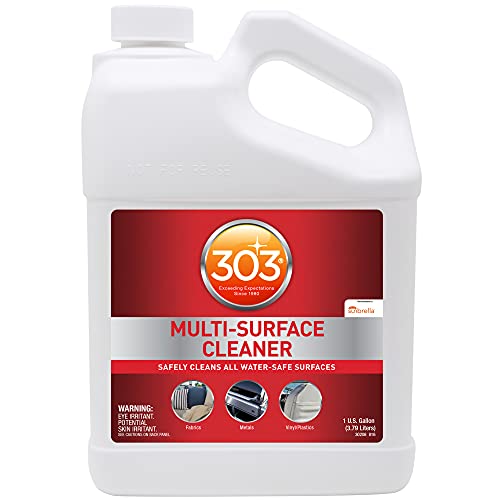
When choosing a primer, opt for a multi-surface product designed for plastics; this will help the paint adhere properly and extend its lifespan.
Select a suitable exterior paint or spray designed for outdoor conditions. A semi-gloss finish is ideal for a clean look while providing some shine and protection.
Also, consider using a paint sprayer for a more uniform coat, especially if you’re working with intricate designs or larger pieces. If you prefer traditional methods, a high-density foam roller and quality brushes will yield excellent results.
Lastly, keep a clean cloth and a bucket of water handy for wiping down surfaces as you work, ensuring dust or debris doesn’t compromise your project.
Applying Primer on Resin Patio Furniture
Before applying a topcoat, I always use a high-quality primer specifically designed for plastic surfaces. This step enhances adhesion and improves the durability of the finish. I typically choose an oil-based primer or a product labeled for use on plastics, ensuring compatibility with the final coating.
Steps to Apply Primer
First, I clean the surface thoroughly to remove dust and any residues. Using a microfiber cloth and a mild soap solution helps here. Once dry, I lightly sand the surface with fine-grit sandpaper to create a texture for better adhesion.
Next, I use painter’s tape to mask any areas that I don’t want to be primed, ensuring clean lines. I hold the primer spray can about 6 to 12 inches away from the surface and apply in light, even coats. I allow each coat to dry as recommended on the product label, typically around 1-2 hours, before applying an additional layer as needed.
| Primer Type | Application Surface | Drying Time |
|---|---|---|
| Oil-based | Plastic | 1-2 hours |
| Latex-based | Plastic | 30 minutes to 1 hour |
| Specialty primer | Polyethylene/Polypropylene | Variable |
After the primer is applied, I inspect the surface for any imperfections. If needed, I sand lightly before proceeding to the topcoat, ensuring a smooth, even finish. This preparation is crucial for achieving the best possible results in my restoration project.
Painting Techniques for a Smooth Finish
For a flawless appearance, I recommend using a fine spray paint when applying color to your outdoor pieces. This method minimizes brush strokes and provides an even coat. Ensure to use light, sweeping motions to cover the surface uniformly.
Preparation for Painting
- Make sure the primer is completely dry before applying paint.
- Consider using painter’s tape to protect any areas you don’t want to paint.
- Keep the spray can at a distance of about 10-12 inches from the surface to prevent drips.
Layering Technique
Apply multiple thin layers instead of one thick coat. This approach helps achieve a consistent finish and reduces the chance of runs. Allow each layer to dry according to the instructions on the paint can before adding the next one.
Use a light sanding (around 220 grit) between coats for an ultra-smooth texture. Gently sand the surface and clean it with a microfiber cloth to remove any dust before applying the next layer.
Final touches can include a clear sealer for added durability, enhancing both the aesthetic appeal and longevity of the color applied.
Sealing and Protecting the New Finish
After achieving a smooth and even application, it’s crucial to secure the new surface treatment. This step safeguards the coating from moisture, dirt, and UV damage, which can all lead to deterioration.
- Choose the Right Sealant: Select a sealant compatible with your chosen coating. For oil-based finishes, an oil-based sealant works best. Water-based options are suitable for water-based finishes.
- Application Method: Use a clean brush or roller to apply the sealant evenly. Avoid creating bubbles, as they can compromise the surface integrity. A spray option can provide a smooth application without brush marks.
- Multiple Coats: Depending on the product, applying two or three thin coats of sealant can enhance durability. Ensure each coat is completely dry before applying the next.
- Pay Attention to Edges: Ensure that edges and corners receive adequate coverage, as these areas are more prone to wear and exposure.
- Drying Time: Follow the manufacturer’s instructions for drying times between coats as well as after the final application. Proper curing is essential for the sealant to perform effectively.
- Regular Maintenance: Check the surface regularly for any signs of wear or damage. Reapply the sealant annually, or as needed, to maintain protection.
Sealing the finish is an investment in the longevity of your items. Following these guidelines will help keep your outdoor furnishings looking fresh and new for years to come.
Maintenance Tips for Long-lasting Outdoor Pieces
Regular cleaning is essential. I use a soft cloth or sponge along with a mild soap solution to remove dirt and stains. Rinsing thoroughly prevents soap residue from accumulating, which can compromise the surface over time.
Storage Solutions
During off-seasons or bad weather, I store items in a dry, sheltered area to avoid damage from moisture or freezing temperatures. If space is limited, covering them with breathable tarps can help protect against dust and debris.
Regular Inspections
I perform visual checks periodically for signs of wear or damage. Addressing minor scratches or chips immediately can prevent further deterioration. Using touch-up paint that matches the original color ensures a seamless repair.
FAQ:
What materials do I need to refinish my resin patio furniture?
To refinish resin patio furniture, you will need a few key materials. First, gather some cleaning supplies, such as mild soap and water, to remove any dirt and grime. You’ll also need sandpaper or a sanding block to smooth the surface. For painting or applying color, choose an exterior spray paint or a specialized resin paint suitable for outdoor use. Additionally, clear sealant or a topcoat will help protect the finish from the elements. Don’t forget to have brushes or rollers on hand, as well as drop cloths to protect your work area.
Can I use spray paint on resin furniture, or is there a better option?
Yes, you can use spray paint specifically designed for plastic and resin surfaces. This type of paint adheres better and provides a more durable finish. If you prefer a brush-on application, choose a paint labeled for outdoor use that can bond to resin materials. Either option can work; the key is to ensure that the paint is suitable for resin to avoid peeling or chipping in the future.
How do I prepare my resin patio furniture before refinishing it?
Preparation is key for a successful refinishing job. Begin by thoroughly cleaning the furniture with a mixture of mild soap and water to remove any dirt, mold, or mildew. After cleaning, let the furniture dry completely. Next, lightly sand the surface with fine-grit sandpaper to promote better adhesion of the new paint or finish. Make sure to wipe away any dust created from sanding, and if there are any old finishes that are peeling, consider removing them completely to ensure a smooth and even application of the new finish.
How long does the refinishing process take?
The time required to refinish resin patio furniture can vary based on several factors, including the size of the furniture and the conditions during the refinishing process. Generally, you should allocate at least a day to complete the task, including preparation time. After cleaning and sanding, allow additional time for paint to dry between coats, which can take anywhere from 30 minutes to several hours. If you apply a sealant, ensure you give it enough time to cure as well, which could be an additional day depending on the product used.
What should I do if my resin furniture becomes discolored or faded?
If your resin furniture has become discolored or faded, refinishing is a great solution. Start by cleaning the furniture thoroughly to remove any surface grime. After it is clean, inspect for any deep scratches or damage that may need repair. If the color has faded significantly, using a color-matched paint during refinishing can restore its vibrancy. Regular maintenance, like covering the furniture or bringing it indoors during harsh weather, can help prevent future fading and prolong its lifespan.