
 Caleb Turner
Before initiating any project involving older surfaces containing hazardous materials, safety is paramount. Equip yourself with high-quality respirators, gloves, and protective eyewear. These simple precautions can significantly minimize health risks associated with harmful dust and residues.
Thorough assessment of the piece is necessary. Use a lead testing kit to confirm the presence of harmful substances. Once validated, appropriate containment methods should be employed to avoid spreading contaminants to surrounding areas. Sealing the workspace is a crucial step.
Use a specialized stripper designed for your specific material. Follow the manufacturer’s guidelines closely for optimal results. Applying the product evenly will facilitate smoother removal, minimizing damage to the underlying surface.
After the bulk has been removed, fine-tune your approach with sanding. Utilize an orbital sander for flat surfaces and hand sanding for intricate details. This will help achieve a luscious finish while ensuring that all residues are eliminated.


A clear coat or suitable sealant will protect your restoration efforts. Select a non-toxic option to maintain health safety. Understanding your materials and proper application techniques will yield the most satisfying results.
Refinishing Process for Items Containing Toxic Coatings
First, ensure a well-ventilated workspace. I recommend using an appropriate respirator and protective gear, including gloves and goggles, to safeguard against harmful dust and particles released during the process.
Use a lead test kit to confirm the presence of hazardous materials before starting any labor. If confirmed, keep pets and children away from the area.
Stripping Layers
Next, utilize a chemical stripper designed for safe removal of hazardous coatings. Apply it carefully, following manufacturer instructions. After the designated time, use a plastic scraper to gently lift the old surface. Avoid metal scrapers, as they might damage the substrate underneath.
Surface Preparation
After stripping, wash the bare surface with a damp cloth to eliminate any residual chemicals. Sand the item with fine-grit sandpaper for a smooth finish. If there are deep gouges or imperfections, consider filling them with wood filler that can be sanded once dry.
Finish by sealing the surface with a non-toxic sealant. This helps to encapsulate any remaining traces of the former coatings. Allow sufficient drying time before applying a safe topcoat.
Identifying Lead Paint in Old Furniture
First, consider using a lead testing kit available at hardware stores. These inexpensive kits include swabs or solutions that change color upon contact with lead, allowing for a quick assessment.
Examine the material closely for its age and origin. Items manufactured before 1978 are more likely to contain hazardous substances due to previous regulations.
Look for multiple layers of finish. If an item has been painted numerous times, older layers may contain harmful components, even if the current surface appears non-toxic.
Inspect the condition of the surface. Chipping, peeling, or worn areas increase the risk of exposure. If signs of deterioration are evident, this could indicate the presence of hazardous materials underneath.
For a more thorough evaluation, consult a professional. Experts can perform complex tests to confirm the presence of dangerous elements in your restoration project.
Storing samples from the suspected areas is advisable. Send these samples to a certified laboratory for accurate examination if you suspect harmful materials might be present.
Safety Gear Required for Lead Paint Projects
Utilizing the correct safety equipment is non-negotiable during any task involving hazardous coatings. Here’s what I wear to ensure my protection:
Personal Protective Equipment (PPE)
| Item | Description |
|---|---|
| Respirator | Use a mask equipped with P100 filters to block microscopic particles. |
| Goggles | Ensure a tight fit to shield eyes from dust and debris. |
| Disposable Coveralls | Wear full-body suits to prevent skin exposure. |
| Gloves | Select thick, chemical-resistant gloves for hand protection. |
| Boot Covers | Use to keep footwear clean and prevent contamination. |
Additional Precautions
In addition to the protective gear listed, I recommend sealing off the workspace with plastic sheeting and utilizing a HEPA vacuum for cleanup. Regularly washing all equipment can help avoid cross-contamination. It’s wise to establish a designated area for changing clothes and storing contaminated items to maintain a safe environment.
Choosing the Right Stripping Method for Lead Paint
For effective removal of harmful coatings, selecting the right stripping method is vital. Two primary approaches exist: chemical and mechanical removal. Each one has distinct advantages and applications. Assess the condition of the surface, the complexity of details, and the surrounding environment before making a choice.
Chemical Stripping
- Advantages: Softens coatings for easy scraping, suitable for intricate designs.
- Considerations: Use in well-ventilated areas; the strong odor can be overwhelming. Ensure to choose a biodegradable option to minimize environmental impact.
- Application: Apply a thick layer with a brush, wait for the designated time, then scrape gently. Always test on a small area first to check compatibility with the surface.
Mechanical Removal
- Advantages: No chemicals involved, safer for the environment, and often quicker.
- Considerations: Can be aggressive, potentially damaging the underlying material. Use caution to avoid working too quickly.
- Tools: Options include heat guns, scrapers, and sanders. Heat guns require careful handling to prevent burns and fire hazards.
After choosing a method, always prioritize safety. Protective gear is non-negotiable. Gear includes but is not limited to respirators, goggles, and gloves. Verify that all materials comply with safety regulations.
Preparing the Workspace for Paint Removal
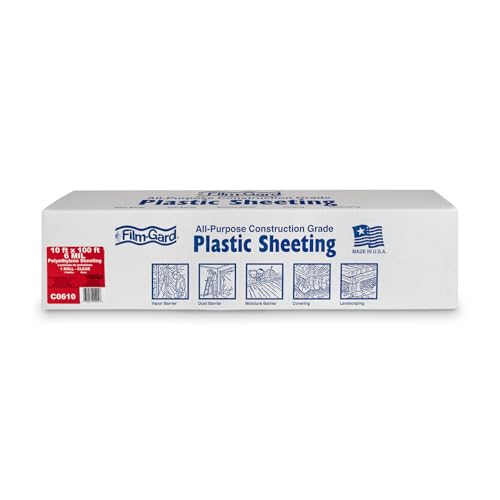
Clear the area of any unnecessary items and cover the floor with plastic sheeting to contain dust and debris. I use a heavy-duty plastic that can withstand any spills or chemical runoff. Make sure to tape the edges securely to prevent any movement.
Seal off windows and doors with plastic sheeting to avoid contaminating other parts of the house. I like to use painter’s tape for a tight seal. Ensure proper ventilation to minimize inhalation of dust particles; even a gentle breeze can help.
Organize Tools and Materials
Gather all necessary tools like scrapers, brushes, and solvents. Keep them within easy reach to prevent interruptions. Label any containers, particularly those with hazardous substances, for my own safety.
Set Up Waste Disposal
Designate a specific area for waste materials, including scrap pieces and any contaminated items. Use sealed bags for transport to hazardous waste facilities. Proper disposal is key to ensuring a clean and safe environment post-project.
Techniques for Proper Lead Paint Removal
Begin by employing a heat gun to soften the coating. Maintain a safe distance to avoid scorching the wood beneath. Utilize a scraper to remove the softened layers efficiently.
Alternatively, consider chemical strippers, particularly those designed for hazardous substances. Apply a generous layer, allowing it to sit according to the manufacturer’s instructions, then scrape off the loosened material.
Another effective method involves wet sanding. Moisten the surface slightly to minimize dust and use fine-grit sandpaper. Keep the area damp to trap any particles.
Utilizing a vacuum equipped with a HEPA filter during removal reduces the risk of airborne contamination. Always dispose of debris properly by placing it in sealed bags.
For intricate details, use dental tools or small brushes to access tight spaces without damaging surrounding areas.
After removing the hazardous layer, rinse surfaces thoroughly with soapy water and dry completely to eliminate any residue. Reassess for any missed areas before proceeding with further restoration.
Disposing of Lead Paint Waste Safely
Seal debris and waste in heavy-duty plastic bags or containers designed specifically for hazardous materials. Clearly label these bags to identify their contents. Proper disposal is key – do not throw this waste in regular trash. Check local regulations for specific disposal sites or programs available for hazardous material in your area.
Finding Recycling Options
Some facilities specialize in recycling materials containing toxins. Research and contact these locations to determine if they accept lead-laden items. If not, they may provide guidance on safe disposal methods. This step not only protects the environment but also reduces potential health risks.
Documentation and Compliance
Maintain records of your removal and disposal activities. Document waste types, quantities, and disposal methods used. This ensures compliance with safety regulations and provides evidence of adherence to proper protocols should any questions arise in the future.
Choosing Non-Toxic Finishes for Furniture
I prioritize using water-based finishes like acrylics and polys, which are low in volatile organic compounds (VOCs) and safer for both indoor air quality and health. They dry quickly and are easy to clean up with soap and water.
For a more natural approach, I opt for oils such as tung or linseed. These oils penetrate wood and provide a protective layer without harmful chemicals. It’s essential to ensure they’re pure and free from additives that might compromise safety.
Wax is another excellent choice. It’s natural, offers a beautiful sheen, and is easy to reapply. I prefer beeswax or carnauba wax, which can be buffed to a shine for added protection.
When experimenting with stain, I look for options made from plant-based materials. These stains tend to be free from harmful chemicals and still provide rich color to surfaces.
Before applying any finish, I make sure to check the labels for certifications such as Green Guard or Cradle to Cradle to guarantee lower environmental impact and safety standards.
Finally, proper ventilation is crucial. I always ensure my workspace is well-ventilated during application to minimize inhalation of any fumes, even from non-toxic products.
Tips for Applying New Finish After Lead Removal
Ensure the surface is completely dry before applying any new coat. I allow at least 24 hours for complete drying after the stripping process.
Opt for a high-quality primer specifically designed for wooden surfaces. This enhances adhesion and provides a stable base for the subsequent layers.
Utilize a fine-grit sandpaper to smooth out the area, ensuring it is free from imperfections. This step is vital for a polished look.
Test the new finish on a small, inconspicuous section first. This helps identify how the color reacts with the wood.
Apply in thin coats. I find that multiple light layers yield better results than one heavy application, which can lead to drips and uneven texture.
Keep the environment temperature-controlled and well-ventilated to promote optimal drying time and reduce the risk of defects.
Consider using a foam brush or roller for application. These tools provide a smooth finish without leaving brush marks.
Monitor the drying times between coats. I adhere to the manufacturer’s recommendations for the best outcomes.
After finishing, wait a few days before heavy use. This ensures the new coating has fully cured. Patience pays off for durability and appearance.
Testing for Remaining Lead After Refinishing
Once I complete the restoration process, it’s crucial to verify that no hazardous substances remain. I rely on lead test kits available at hardware stores, which provide quick results. These kits usually include swabs that change color in the presence of lead. I swab multiple areas, especially around joints and edges, where residue is likely to linger.
If using a kit isn’t feasible, I consider sending samples to a certified laboratory for analysis. This thorough approach ensures comprehensive examination and peace of mind. Proper follow-up is essential; I schedule retesting after a few weeks if renovation activities continue, as new layers or dust may introduce contaminants.
Additionally, maintaining cleanliness in the workspace minimizes the chance of spreading any remaining toxins. Regular vacuuming and damp wiping with suitable materials help keep surfaces safe. Testing routinely, especially after extensive projects or repairs, assures ongoing safety for anyone around the area.
FAQ:
How can I identify if my furniture has lead paint?
To determine if your furniture contains lead paint, you can start by checking the paint’s age. Homes built before 1978 are more likely to have lead-based paint. Additionally, you can purchase a lead testing kit from a hardware store, which allows you to scrape a small area of paint and apply a solution that will change color if lead is detected. If you’re unsure, consider hiring a professional to conduct a thorough inspection.
What safety precautions should I take when refinishing furniture with lead paint?
When refinishing furniture with lead paint, it is important to wear protective gear such as a mask rated for lead dust, goggles, and gloves. Make sure to work in a well-ventilated area to avoid inhaling any dust. It’s also advisable to cover the floor and surrounding areas with plastic sheets to catch any lead particles that may fall. After finishing your project, clean the area thoroughly and dispose of any dust and debris in accordance with your local regulations.
Is it safe to strip lead paint from furniture?
Stripping lead paint from furniture can be done safely if you follow the right procedures. Chemical strippers can be effective, but they also can release toxic fumes. If you choose to use a chemical stripper, ensure proper ventilation and wear protective gear. An alternative is using heat guns, which can also be effective but require caution to avoid burns and fumes. Always ensure that you manage lead waste responsibly by encapsulating or disposing of it according to local regulations.
What are the steps to successfully refinish furniture with lead paint?
The process of refinishing furniture with lead paint generally includes several steps: First, assess the furniture to confirm the presence of lead paint. Next, ensure you have protective gear on. If you decide to strip the paint, apply a chemical stripper or use a heat gun, followed by scraping off the paint. Sand the surface lightly to smooth it out, and clean any dust thoroughly. Finally, apply a suitable primer and new paint or finish. Be cautious at every stage to minimize the risk of lead exposure.
Can I repaint over lead paint instead of removing it?
Yes, you can repaint over lead paint, but it’s important to take precautions. You should first clean the surface to remove any dust or debris. Then, apply a high-quality primer designed for lead paint. This will help seal the lead paint and prevent it from leaking into the new paint. Finally, apply your new topcoat. This method is often referred to as encapsulation, which can be a safer alternative to removal but is not a permanent solution. Regularly inspect the painted surface for any signs of deterioration.
What precautions should I take when refinishing furniture that has lead paint?
Refinishing furniture with lead paint requires careful attention to safety. First, ensure you are working in a well-ventilated area to minimize inhalation of any dust or fumes. It’s advisable to wear a respirator mask, gloves, and goggles to protect yourself from potential lead exposure. Before beginning the refinishing process, it’s important to test the paint for lead using a lead test kit available at hardware stores. If lead is present, consider consulting with professionals who specialize in lead abatement, particularly if the furniture is large or the project appears complex. Always dispose of any lead-contaminated materials properly, following local regulations for hazardous waste.
What steps are involved in the process of refinishing furniture with lead paint?
The process of refinishing furniture with lead paint involves several steps. First, you’ll need to assess the condition of the paint and the piece of furniture. If the lead paint is in good condition and not peeling, you may be able to simply sand the surface to prepare it for a new finish. However, if the paint is flaking or damaged, you may need to carefully remove it using a paint scraper or a heat gun—always keeping safety in mind. Make sure to seal off the area to contain dust and debris. After preparation, sand the wood thoroughly to create a smooth surface, wiping away any dust with a damp cloth. Then, apply a new coat of primer designed for furniture, followed by the paint of your choice. Once dry, finish with a protective clear coat to ensure durability. Remember to follow all safety guidelines throughout the process to protect yourself and those around you.


