
 Caleb Turner

I recommend gathering quality paint, sandpaper, wax, and a chip brush to achieve an authentic vintage appearance. Selecting a chalk-style or milk paint will enhance that aged effect, while minimizing shine. Prepare the surface by thoroughly cleaning and lightly sanding it to allow better paint adhesion.
Apply a base coat of your chosen paint, ensuring even coverage. Patience is key; allow this layer to dry completely before the next step. Once dried, gently distress the edges and surfaces using medium-grit sandpaper. Focus on areas that would naturally wear over time, like corners and on flat surfaces.
After distressing, a wax finish can add depth and protection. Using a soft cloth, apply wax in a circular motion to enhance the piece’s texture. Finally, for a unique touch, consider using a colored wax to highlight any grooves or details, adding character and a bit of charm.
Techniques for Achieving a Vintage Finish
Choose a base color that brings out the character of your item. For instance, soft slate or muted sage can add subtle charm. Apply a coat of chalk paint; it adheres well to various surfaces and provides a matte finish ideal for aging.


Once the base is dry, gently sand the edges and corners using 220-grit sandpaper to reveal the original wood or the undercoat. This effect mimics wear over time and lends authenticity to the final appearance.
Next, consider using a glaze or wax to add depth. Mix a little paint with clear glaze for a tinted finish. Apply it with a brush, wiping excess with a cloth for a soft effect. Allow it to cure, enhancing the vintage vibe.
Here’s a quick reference table for materials needed:
| Material | Purpose |
|---|---|
| Chalk Paint | Base layer with a matte finish |
| Sandpaper (220-grit) | Create worn edges |
| Glaze or Wax | Add depth and patina |
| Brush | Apply glaze |
| Cloth | Remove excess glaze |
Finally, seal the surface with a clear topcoat specifically designed for painted surfaces to protect the finish while retaining that just-aged appearance. This ensures durability while allowing the charm to shine through.
Choosing the Right Type of Furniture for Distressing
Opt for solid wood pieces over particleboard or laminate. Solid wood contains natural variations and imperfections that enhance the antique feel when altered. Look for styles such as farmhouse, shabby chic, or vintage industrial, as these often lend themselves well to a weathered finish.
Seek out designs that already exhibit some wear, such as scuffs or faded paint, which can simplify the process and add character. Antique items provide an authentic canvas, making it easier to achieve that worn appearance without excessive effort.
Consider selecting items like dressers, cabinets, or tables with intricate carvings or details. This allows for creative distressing techniques, highlighting those features and adding depth. Avoid modern, sleek designs that might not adapt well to a vintage transformation.
Test your techniques on inconspicuous areas first, especially if the piece is valuable or sentimental. Understanding how the material responds can guide you in making the right choices for the entire surface.
Lastly, furniture that has a traditional form or historical significance often holds up beautifully during alteration, providing an attractive, rustic charm that complements various decor styles.
Selecting Suitable Materials and Tools
Choosing high-quality products is crucial for achieving an authentic aged appearance. I prefer using chalk paint as it adheres well and gives a matte finish. Look for brands that have a wide range of colors, ideally with good opacity that requires minimal coats.
For the finish, I opt for a clear wax or matte polyurethane. These protect the surface while enhancing the vintage vibe. Be sure to select a wax that is easy to manipulate, as it allows for better control during application and buffing.
Recommended Tools
A set of brushes with different sizes is necessary; I usually keep both synthetic and natural bristles on hand. Spraying techniques can also add texture, so considering a spray gun or bottle can be beneficial for a more even application.
Two essential sanding tools are a block sander and sanding sponge; they are perfect for creating smooth edges and distressing areas selectively. Additionally, keep a dust mask and protective eyewear in your toolkit for safety while working with dust and fumes.
Obtaining Distress Results
Finding suitable hardware, like antique or vintage knobs and handles, can significantly amplify the aged essence you are striving for. Thrift stores and flea markets are excellent places to source unique pieces. I also keep a variety of stencils handy for adding decorative elements that contribute to the overall character of the piece.
Lastly, ensure you have ample drop cloths and painter’s tape to protect surrounding areas. Preparing the workspace effectively saves time and minimizes mess, allowing for a more enjoyable, efficient project experience.
Preparing the Surface Prior to Distressing
Ensure the surface is clean and free from dust or grease. I usually start by wiping down the piece using a damp cloth with a mild detergent solution. After that, I let it dry completely to avoid any moisture trapped under the finish.
Sanding Techniques
I recommend using a medium-grit sandpaper (around 120-150 grit) to scuff up the existing finish. This step helps the new layer adhere better. After sanding, I go over it with finer sandpaper (220 grit) to smoothen out any rough areas. I always sand in the direction of the wood grain to avoid scratches that might show through later.
Repairing Imperfections
If the piece has any dents, scratches, or cracks, I fill them in with wood filler. After it dries, I sand the filled areas until they are level with the surrounding surface. For larger repairs, I sometimes use epoxy to ensure durability. Once repaired, I clean the area again to remove any leftover dust from sanding.
Applying the Base Coat Color Appropriately
First, select a high-quality primer dedicated for the material you’re treating. This establishes a strong foundation for subsequent layers. Aim for an even coat; apply with a brush or foam roller to avoid streaks. Allow sufficient drying time according to the manufacturer’s instructions.
Choosing the Right Hue
Opt for a base shade that complements the final color scheme. A softer base enhances the aging effect, while bolder pigments create a contrast that stands out.
Application Techniques
- Apply thin layers to prevent drips and uneven surfaces.
- Use a stippling motion for a textured finish, especially on intricate details.
- Consider sanding lightly between coats to achieve a smoother surface.
After finishing the base layer, inspect for imperfections. Touch up as necessary to ensure a flawless appearance before applying any top coats or finishing treatments. This step is crucial for achieving that authentic, vintage effect later on.
Techniques for Creating Distressed Effects
To achieve an authentic aged appearance, I often use the dry brushing method. This involves applying a small amount of paint to a brush, then wiping most of it off on a cloth. I lightly stroke the brush over the surface to create subtle highlights on raised areas, simulating natural wear.
Sanding for Authenticity
Sanding is another technique I employ, using medium-grit sandpaper on edges and corners where wear would naturally occur. This not only removes some of the base coat but also enhances the texture, giving a more realistic effect. I vary the pressure to create unevenness, mimicking years of use.
Wax and Glaze Finishes
Applying a wax or glaze can deepen the character of the piece. I typically choose a dark wax to enhance the crevices after the paint has dried. This adds depth and highlights the details. Glazes can also offer different shades, which might give an additional aged look, so I experiment with various color combinations to find one that suits my piece perfectly.
Adding Texture and Depth with Sanding
For achieving a rich texture, I recommend using varying grits of sandpaper. Begin with a coarse grit, such as 80, to remove the finish and deepen any crevices. Progress to a medium grit (150) for smoothing out the surface while still allowing for some natural imperfections.
When sanding, focus on areas that naturally wear over time, such as edges and corners. This not only creates an authentic appearance but also emphasizes the character of the piece.
- Vary pressure: Use light pressure on broad surfaces and apply more force on details to create a dynamic finish.
- Use a sanding block: This helps maintain flat surfaces while preventing uneven spots.
- Experiment with a random orbital sander for faster completion, but maintain a hand-sanding technique for intricate areas.
After sanding the main areas, consider using a finer grit (220) for a smooth touch. This ensures there are no rough edges while retaining the aged character. To enhance depth, I often sand through the base coat in specific spots, revealing the underlying layers. This technique adds complexity and draws the eye.
Finally, remember to clean the dust thoroughly after sanding. A damp cloth can help remove any residue, ensuring an even application of the top layer.
Using Glazes and Finishes for Enhanced Drama
For a striking effect, applying a tinted glaze can transform the appearance of your piece. Mix a clear glaze with a selected paint color to create atmospheric layers. Start with a small amount of pigment to gauge intensity; you can always darken it later.
When applying the glaze, utilize a brush or cloth. Work in sections, ensuring the glaze is even but allows some of the base coat to peek through. This layering process enhances depth and complexity in the finish.
A second option is to consider adding a protective topcoat that has a matte or satin finish. This not only seals the surface but also enriches the color, making imperfections stand out beautifully. Multiple layers can deepen the drama of the surface, so don’t hesitate to apply more than one coat.
If you’re looking for a more pronounced texture, a crackle medium can be used. Apply this before the glaze; as it dries, it creates a unique aged effect. Once the crackle has set, proceed with glazes to highlight these features.
Experimentation is key. Test different combinations of finishes and colors on scrap wood to determine the ideal look. Keep in mind that the lighting in your space can dramatically affect how the final piece appears.
Sealing the Refinished Piece for Longevity
Apply a high-quality clear coat to enhance protection and durability. Use a water-based polyurethane for ease of application and quicker drying times, or opt for oil-based versions for a richer finish. Both options will effectively seal the surface, preventing wear and tear.
Application Techniques
Utilize a synthetic brush or a foam applicator for smooth coverage. Work in thin layers, allowing ample drying time between coats–typically 2-4 hours for water-based and 6-8 hours for oil-based. At least two to three coats are recommended for optimal results.
Final Touches
Once the last coat is fully cured, the piece is ready for use. This process not only preserves the aesthetic appeal but also enhances its lifespan significantly. Regular maintenance, such as cleaning with a soft cloth and avoiding harsh chemicals, will keep the finish looking pristine.
Maintaining and Caring for Distressed Furniture
Regular cleaning is key. Use a soft, damp cloth to dust surfaces without scratching the finish. Avoid harsh chemicals; opt for a mild soap solution if necessary.
Inspect regularly for signs of wear or damage. Small scratches can be touched up with furniture markers or wax sticks that match the finish. For deeper dents, consider steam treatment or gentle sanding followed by reapplication of the topcoat.
Keep pieces out of direct sunlight to prevent fading. UV rays can alter colors over time, impacting the desired aesthetic.
Humidity levels matter; too much moisture can warp and ruin structural integrity. Use a dehumidifier in damp areas and maintain a stable indoor climate to prolong the lifespan of these items.
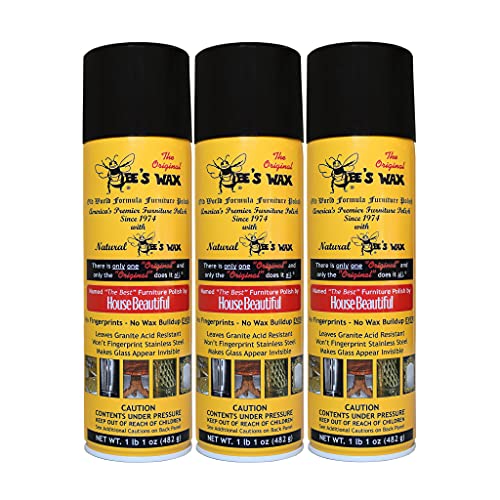
Apply a periodic protective finish. A light coat of wax or a specific furniture polish will add shine and protection. Buff it gently to maintain texture without losing the character of the piece.
Avoid placing heavy objects on top; this can lead to unwanted impressions or cracks. Instead, utilize coasters and placemats to safeguard surfaces.
Consider rotating arrangement periodically. This not only freshens the space but minimizes wear on specific areas that might otherwise be subjected to constant use.


