
 Caleb Turner

Begin with a thorough cleaning of the surface using a mixture of warm water and mild dish soap. I find that a soft cloth or sponge works best to eliminate any grease or dirt, allowing the new coating to adhere effectively. Rinse with clean water and dry the area completely.
Next, take a fine-grit sandpaper and gently scuff the surface. This step creates a better bonding area for the paint or topcoat you intend to apply. Be sure to wipe away any dust particles with a damp cloth afterward.
Applying a quality primer is crucial for the longevity of the finish. Choose a primer specifically formulated for non-porous surfaces. Allow the primer to dry according to the manufacturer’s instructions before moving on to the color coat.


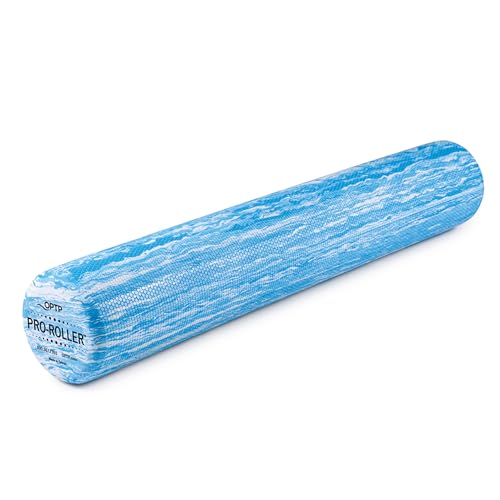
Select a paint suitable for high-gloss finishes to achieve a modern look. Using a foam roller can help you achieve a smooth, even application. Multiple thin coats are preferable to one thick coat to prevent drips and unevenness.
Conclude your process with a protective topcoat to ensure durability. A polyurethane sealant that’s compatible with your chosen paint will provide an extra layer of defense against scratches and stains. Let everything cure according to the recommended time before using the item again.
Refinishing Techniques for Laminated Surfaces
I recommend cleaning the surface thoroughly with a mild detergent and water. This removes any grease or dirt that can affect adhesion. Let it dry completely before proceeding.
Surface Preparation
Using fine-grit sandpaper, I lightly scuff the existing finish to create a better bond for the new coating. Focus on areas with scratches or damage but avoid excessive sanding to prevent exposing the underlying material.
Applying a New Finish
Select a suitable primer designed for laminate materials. I apply it with a high-density foam roller for an even coat. After it dries, I use a paint designed for hard surfaces or an enamel finish, again using a roller for a smooth application. Multiple thin layers yield better results and enhance durability. Allow proper drying time between coats as specified by the product instructions.
Choosing the Right Materials for Refinishing
For a successful transformation, I opt for specific materials that enhance durability and aesthetics. A high-quality primer designed for laminated surfaces is crucial. This ensures effective adhesion of subsequent layers.
Next, I select a durable paint or coating. Acrylic latex paints provide great coverage and are easy to clean. If I want a glossy finish, I choose epoxy-based paints, ensuring long-lasting results. Always confirm that the paint is labeled as suitable for laminate.
Tools and Supplies
Necessary tools include a fine-grit sandpaper or sanding sponge to create a smooth surface. A microfiber cloth helps remove dust and debris. For application, I rely on foam rollers or brushes that minimize streaks. Ensure the workspace is well-ventilated, and consider a respirator for safety when using strong solvents or paints.
| Material | Purpose |
|---|---|
| Primer | Enhances paint adhesion |
| Acrylic Paint | Offers easy application and cleanup |
| Epoxy Paint | Provides durability and a glossy finish |
| Sanding Sponge | Prepares surface for better bonding |
| Microfiber Cloth | Cleans surface before application |
| Foam Roller/Brush | Ensures a smooth application |
By carefully selecting these materials, I enhance the longevity and appearance of the project, ensuring a professional finish that revitalizes the piece.
Preparing the Surface of Formica Furniture
Begin by cleaning the surface thoroughly with a mixture of warm water and mild soap. This ensures any grease, dirt, or residues are removed before treatment.
Next, dry the area completely using a lint-free cloth. Moisture left on the surface can interfere with adhesion during the following steps.
Inspect for any scratches or dents. If present, lightly sand these areas with fine-grit sandpaper to create a smooth surface. Avoid excessive pressure to prevent deep grooves.
After sanding, I recommend wiping down the area again with a damp cloth to remove any dust particles generated during the sanding process. Allow it to dry completely.
To enhance adhesion, I lightly scuff the entire surface with fine-grit sandpaper. This creates a texture that helps paints or coatings bond better. Just ensure no visible scratches remain post-scuffing.
Follow this with another wipe-down, using a clean, damp cloth, and allow for complete drying. At this stage, I prepare my workspace to keep it organized, ensuring all materials and tools are within reach.
| Tools Needed | Purpose |
|---|---|
| Warm Water & Soap | Cleaning |
| Lint-Free Cloth | Drying |
| Fine-Grit Sandpaper | Smoothing Surface |
| Clean Damp Cloth | Dust Removal |
Finish this preparation step by inspecting for any imperfections and ensuring the surface is neat and ready for the next stage. This sets the stage for a high-quality outcome.
Applying Paint or Varnish on Formica
Select a high-quality primer specifically designed for non-porous surfaces. This will ensure better adhesion of the paint or sealant. I recommend using a spray primer for an even application. Allow the primer to dry completely before proceeding.
Choosing the Right Paint
Opt for acrylic or latex paint for its flexible nature and durability. If a glossy finish appeals to you, use a paint labeled as “semi-gloss” or “high-gloss.” Test paint samples in a small area to confirm color choice and finish before committing to the entire surface.
Application Process
Using a high-density foam roller or a high-quality brush, apply the paint in thin, even coats. Start from one corner and work your way across, ensuring smooth strokes. Let each coat dry thoroughly according to the manufacturer’s instructions before adding additional layers. A total of two to three coats is ideal for optimal coverage and durability.
For a protective layer once the paint is dry, consider a clear varnish designed for use on furniture. Apply it with a clean brush in thin layers to maintain an even sheen. Regularly inspect for any bubbles or imperfections, promptly smoothing them out.
Techniques for Sanding Laminated Surfaces
Begin with a medium-grit sandpaper, typically around 120-grit, to initiate the surface preparation. This grit effectively removes the existing sheen and prepares the laminate for further treatment.
- Utilize a sanding block or an electric sander for even pressure distribution.
- Move in the direction of the grain, ensuring a smooth finish.
- For intricate areas, consider using a sanding sponge or detail sander to reach corners and edges.
Progress to finer grits, such as 220-grit, to refine the surface texture after the initial sanding. This step is crucial as it prevents visible scratches in the final finish.
Ensure proper ventilation during sanding to minimize inhalation of dust. A mask and goggles are recommended for personal safety.
- Sand the entire surface uniformly, avoiding over-sanding in any single area.
- Regularly check for smoothness by running your hand over the surface; this helps identify areas needing additional attention.
- After achieving the desired smoothness, wipe down the surface with a damp cloth to remove dust particles.
Employing these techniques will pave the way for a professional-looking outcome, enhancing the longevity and appeal of your laminated pieces.
Sealing and Protecting the Newly Finished Surface
I recommend applying a high-quality sealant to ensure the longevity of your newly transformed surface. An acrylic polyurethane offers excellent protection against moisture and wear, making it an ideal choice. Use a foam brush to apply a thin, even layer, avoiding any drips or puddles that may form.
Drying Time and Reapplication
Allow each coat to dry completely according to the manufacturer’s instructions. This typically takes about 2-4 hours. For optimal results, I suggest applying at least two to three coats, sanding lightly between applications with fine-grit sandpaper to enhance adhesion and smoothness.
Final Touches
Once the final coat is dried, it’s important to allow 24-48 hours for the surface to cure fully before using items on it. This waiting period helps the sealant reach maximum hardness. For added protection, consider using coasters or placemats to guard against scratches and heat damage when placing items on the surface.
Regular cleaning with a damp cloth and gentle detergent will maintain the finish, but avoid harsh chemicals that could deteriorate the sealant over time.
Common Mistakes to Avoid When Refinishing
Avoid skipping the cleaning step before starting any project. Neglecting to clean the surface can lead to poor adhesion of paints or coatings. Always use a suitable cleaner to remove grease, dirt, and grime.
Another common error is inadequate surface preparation. Some underestimate the importance of sanding. Failing to create a proper texture can result in chipping or peeling. Always sand enough to create a good grip for the new finish.
Improper choice of products can lead to unsatisfactory results. Using the wrong type of paint or sealer is a frequent pitfall. Make sure to select items specifically designed for your material to ensure compatibility.
Timing Between Coats
- Rushing between layers often results in a tacky finish. Refer to the manufacturer’s instructions regarding drying times.
- Applying additional coats too soon can cause issues such as bubbling or uneven textures.
Ventilation Awareness
Many overlook the need for proper airflow when applying finishes. Poor ventilation can lead to prolonged drying times and undesirable odors. Always work in a well-ventilated area to promote effective curing.
Overloading the brush or roller can cause drips and runs. Use a light hand to apply the finish evenly. It’s better to apply multiple thin coats than one heavy layer.
Finally, neglecting to test on a small area first is a significant oversight. Conducting a test run allows for adjustments without risking the entire surface. This simple step can save time and frustration later.
Maintaining Your Refinished Surfaces
Regular cleanings are crucial. I use a soft cloth and a mixture of mild soap and water to wipe down the surfaces. Avoid harsh chemicals as they can damage the finish. For stubborn stains, a gentle abrasive cleaner can be effective, but always test it on a hidden area first.
Protecting from Scratches
To keep the finish looking pristine, consider using coasters and placemats to shield against scratches. I also place felt pads under any items that may slide across the surface to prevent unwanted abrasions.
Periodic Touch-ups
Over time, minor wear can occur. I keep some leftover paint or varnish on hand for touch-ups. When necessary, I lightly sand the affected area, clean it, and apply a new layer for seamless restoration.
Sunlight can fade colors, so I reposition my items away from direct sunlight whenever possible to preserve their appearance. Keeping humidity levels in check also helps to maintain the structural integrity of the pieces.
With these practices, I ensure that my refreshed pieces remain beautiful and functional for years to come.


